Home >  Who should choose an online business school?

Who should choose an online business school?

Studying business through an online business school is particularly recommended for the following profiles:

  • Ambitious professionals seeking career acceleration
  • Career changers and professionals looking to upskill
  • Independent learners who value structure and support
  • Students who need to balance their personal life with their studies/professional life

The rise of flexible learning in modern business education

Business education is evolving. For many professionals, returning to a full-time on-campus life is no longer realistic. Careers today are more dynamic, responsibilities are greater, and global mobility is more common than ever. As a result, online business schools have become an increasingly attractive option.

However, choosing an online degree is not about convenience alone. It is about finding a learning model that aligns with professional ambitions, personal commitments and long-term goals. For the right profile, an online business school can be a strategic accelerator rather than an alternative route.

Ambitious professionals seeking career acceleration

Online business degree programs are particularly well suited to professionals who want to advance without putting their careers on hold. Managers, team leaders and aspiring decision-makers often reach a point where new strategic skills are required to move forward.

At EDHEC Business School, online programs and courses are tailored to this profile. They provide high-level diploma programs that address contemporary business challenges while allowing participants to remain fully active in their roles.

Rather than stepping away from the workplace, learners can immediately apply new knowledge to real business situations. This creates a powerful synergy between study and practice, reinforcing both confidence and professional credibility.

Career changers and upskillers

The modern business landscape is shaped by digital transformation, global competition and changing market expectations. Professionals working in finance, marketing, operations or entrepreneurship may find that their current expertise needs to evolve.

An online business school is ideal for students who wish to reposition themselves strategically. Whether preparing for greater leadership responsibility or transitioning into a new function, structured distance learning offers flexibility without sacrificing academic rigour.

EDHEC online programs and courses focus on practical application. Participants are encouraged to:

  • Assess their professional environment
  • Analyse complex challenges
  • Develop actionable solutions

This ensures that learning remains immediately relevant to the realities of modern organisations.

Virtual meeting online, video call. View over shoulders of two women to a computer screen with business leader and successful team, chatting by a video conference, discuss working issues, strategy

Independent learners who value structure and support

The importance of personalised coaching and academic mentoring

While online learning requires autonomy, it can remain interactive without feeling isolating. The most successful online learners are motivated, organised and proactive. At the same time, they benefit from strong guidance and a structured learning environment.

The benefit of a dedicated career development program

EDHEC online stands out for its dedicated support and coaching system. Through a personalised career development program, participants work with a coach who helps clarify their professional objectives, provides tailored feedback, and supports them in balancing their studies with their personal and professional commitments.

Good to know: The Boost360 coaching program in the Online MBA helps students acquire advanced leadership skills. It is a customised leadership development program designed to support career, professional, and personal growth. In the Online MSc portfolio, participants benefit from the YouDrive coaching program, which supports their career development plans alongside expert guidance through individual coaching sessions.

Students seeking international business recognition

For many candidates, credibility matters as much as flexibility. Choosing an online business school should not mean compromising on academic excellence or international recognition.

EDHEC Business School is consistently ranked among the top European business schools. Its programs are highly ranked in leading international rankings:

  •  Top 10 Business School in Europe (Financial Times 2025)
  •  Master in Management ranked 4th worldwide (Financial Times 2024)
  • Executive MBA ranked 30th worldwide (Financial Times 2025)
  • Master in Finance ranked 6th worldwide (Financial Times 2024)

The strength of the EDHEC brand enhances the reputation and value of both online and on-campus degrees. Participants also benefit from access to a global alumni network of more than 60,000 graduates, offering meaningful networking and career development opportunities.

Why does EDHEC Online stand out?

EDHEC Online combines academic excellence with innovative digital delivery. Its online campus provides a premium learning environment, integrating interactive tools, collaborative activities and real-time engagement.

The collective dynamic remains central. Participants connect with peers from diverse industries and countries, enriching discussions and expanding professional perspectives. This global exposure enhances both personal development and career mobility.

Most importantly, EDHEC online programs are designed to be impactful. They empower participants to:

  • Build industry-relevant skills
  • Strengthen their strategic thinking
  • Gain a competitive edge in a rapidly changing business landscape

Through a flexible learning model, professionals can access high-quality online business degree programs from a triple-accredited business school. They can also advance their education without interrupting their careers. This format offers an accessible option for those seeking a high-quality degree. It combines academic excellence with modern digital education designed for today’s global professionals.

Subscribe to our newsletter BOOST, to receive our career tips and business insights every month.

Home >  Corporate Finance & Financial Management: What’s the difference?

Corporate Finance & Financial Management: What’s the difference?

Corporate finance or financial management? Which one is right for you, and what is the difference? In this interview, Victor Planas-Bielsa, Academic Director of the Online Masters programs at EDHEC Business School, explains how these two fields differ and how each Master of Science (MSc) prepares you for a distinct path in finance.

Who is each program designed for?

“Financial management and corporate finance are two programs that sound familiar, but lead to very different ways of working in finance.

Corporate finance is about guiding companies through their most important financial decisions, the ones that shape their future. It focuses, for instance, on questions like how a company should allocate its capital, which projects to invest in and how to finance growth, or how to value and acquire another business. The goal is to learn how to analyse complex situations, compare alternatives, and build strong financial recommendations.

Financial management, on the other hand, is about running the financial engine of a company, keeping it healthy, efficient, and prepared for the future. It deals with planning and budgeting, forecasting performance, managing risks, and supporting managers with clear, data-driven insights. In short, it’s about ensuring that the company’s day-to-day financial operations support long-term success.”

How do the corporate finance and financial management masters differ?

“If you are passionate about finance and want to shape the future of businesses through data-driven decisions, both MScs offer excellent opportunities to do so.

Corporate finance is a great fit for students who enjoy analytical thinking and want to work on high-impact decisions. It’s perfect for those who are curious about mergers and acquisitions, valuation, capital markets or corporate development.

Financial management is ideal for students who see themselves working inside organisations, working alongside executives on budget, forecast and performance analysis. It’s perfect for those interested in planning, controlling, financial strategy and operational decision making.”

Which career opportunities can you pursue after each masters?

“Both programs lead to high-impact finance careers across industries, in banking, consulting, corporate finance and beyond. Graduates from the MSc in Corporate Finance often pursue careers where they analyse and advise on major financial transactions, such as mergers and acquisitions, company valuations, investment banking or transaction services.

Those graduating from the MSc in Financial Management typically pursue careers focused on driving financial performance of organisations. They might work in financial planning and analysis, financial controlling, management accounting, treasury, or business performance functions.

In the end, both programs open doors to rewarding finance careers. The difference lies in the type of impact you want to make, shaping the future of companies or driving their day-to-day excellence. Put simply, external transformation or internal optimisation.”


Subscribe to our newsletter BOOST, to receive our career tips and business insights every month.

Home >  Pursuing an online Master of Science (MSc) at EDHEC: All you need to know 

Pursuing an online Master of Science (MSc) at EDHEC: All you need to know 

Wondering what it is like to pursue anOnline Master of Science (MSc) program at EDHEC? You may have concerns about the online format and worry that you might feel isolated, simply following courses without depth or meaningful interaction.  

The EDHEC Online experience is designed to be the opposite. It offers an interactive, case-based learning journey supported by personalised coaching, continuous guidance, and strong interaction between participants and course mentors . 

If you are considering going further, read this article to gain a comprehensive overview of an online MSc learning journey at EDHEC.  

Explore our MSc Portfolio 

 Practical learning at the heart of the experience 

EDHEC’s portfolio of Master of Science programs is built on a balanced approach to theory and practice. 

Participants regularly engage with case studies and practical assignments that allow them to apply concepts directly to real-world situations. This applied approach is further reinforced through structured experiences such as the consulting project, and in some programs, simulations or business games. 

The consulting project 

A central component of the Master of Science programs is the consulting project. Participants take on the role of consultants and collaborate with a company on a strategic challenge relevant to their field of study. 

This experience provides direct exposure to the industry while allowing participants to apply academic knowledge in a professional context. It reinforces analytical thinking, teamwork and problem-solving skills in real business environments.  

Personalised career coaching: YouDrive 

YouDrive is a structured career development experience tailored to participants’ professional needs and goals. 

It brings together a range of resources that support professional reflection and career planning, alongside individual coaching sessions designed to support you in defining and achieving your career objectives. 

Julien Deslangle, Online International Programs Director, explains:  

“Our programs offer several opportunities to boost your career. Beyond everything you’ll learn in the consulting project and online courses, you’ll get to work one-on-one with a professional career coach, who will help you achieve your goals.”  

Photo of girl writing in exercise book while studying online

Individualised coaching for long-term career growth 

Alumni also highlight the value of personalised coaching in shaping their career development. 

Johannes Weber,Corporate Banking Trainee at UniCredit and Online MSc Corporate Finance alumnus, highlights the importance of coaching:  

“Coaching really helps you step out of your comfort zone and ask yourself: why are you doing this?”  


David Conejo,Operations & Technology Director at Mutare and OnlineMSc Data Management & Business Analytics alumnus, shares a similar perspective on the value of coaching within the program: 

“Regarding the coaching, I really enjoyed it. I think it was one of the most important parts of the program and it really helped me with my career, especially in reflecting on what I want to do and how I envision myself in the future.”  

Together, these experiences illustrate that career development is not treated as a separate element of the program, but as an integral and continuous part of the learning journey.”  

 Expert-led masterclasses 

Throughout the learning journey, participants gain access to exclusive masterclasses delivered by expert speakers addressing topics that are shaping businesses worldwide.  

These sessions explore areas such as AI in the workplace, careers within specific industries, and best practices across various fields. They complement the academic curriculum and broaden participants’ perspectives. 

Multiethnic business people sutdying onlineMultiethnic business people sutdying online

Focus on the MSc in International Business Management 

While all Online MSc programs emphasise applied learning, the Online MSc in International Business Management illustrates this approach through two dedicated learning experiences: the Immersive Case Study and a Business Simulation. 

Immersive case study 

Participants analyse a real challenge faced by the CEO of an innovative start-up. Working in groups, they examine the company’s context, gather and interpret data, and develop a structured strategic analysis. 

The case study explores topics such as AI and data analytics, sustainability, crypto and the metaverse, fintech, or edtech. It encourages participants to think critically about emerging business challenges and propose well-founded strategic insights. 

Business simulation 

Participants also work in teams to manage a virtual company and ensure its success. Through this simulation, they learn to make strategic decisions under pressure, balance conflicting demands, and identify areas for development.  

Julien Deslangle believes that these modules offer valuable opportunities for participants to apply what they are learning and gain relevant experience by working on strategic challenges that may arise in their professional careers.  

Networking beyond borders 

From the first day of the program, participants gain access to EDHEC’s alumni network of more than 60,000 professionals worldwide.  

This network creates opportunities for knowledge exchange, global connections and invitations to alumni events.  

Capucine Colombet,Freelance Consultant and alumna of the Online MSc Data Management & Business Analytics, shares:  

“I had the chance to participate in several alumni events in my hometown city, Lyon in France. And I had the chance to experience the collaborative and dynamic spirit of this event. And thanks to that, I could expand my professional network because I made contact with people working in data management in the healthcare sector, and for one of my projects I could interview some experts in the field of artificial intelligence so that was really valuable for me.”  

Her experience illustrates how the alumni network can be a practical and valuable resource for professional growth beyond the classroom.  

A human-centred online learning experience 

Although delivered online, the MSc program is designed to remain interactive, collaborative and supportive.  

Participants are accompanied by expert coaches, academic mentors, and collaborate with and learn from their peers through live classes, group projects and ongoing exchanges via digital platforms.  

Gilbert Bou Younes, Finance Business Operations Support - Archirodon Group and  Online MSc Corporate Finance alumnus, reflects:  

“It was nothing like the boring stereotype of online courses — it was actually fun. It was full of debates and interactions, and I made a lot of friends from all over the world who I’m still in touch with today.”  


Nader Momtaz, General Manager of Swavu, Ltd and alumnus of the Online MSc in International Business Management, explains:  

“The online experience at EDHEC is extremely interactive. There are online forums and tools such as Slack that allow students and staff to communicate. Feedback is also provided on the online platform, and there is extensive collaboration through group work that’s done online as well.”  

Together, these experiences highlight how the online format is designed not as a limitation, but as a dynamic environment that fosters meaningful interaction, collaboration and long-term connections.  

Multiethnic business people sutdying online

Online MSc EDHEC Online alumni at graduation ceremony

Why choose EDHEC for your online MSc? 

Choosing an Online MSc program at EDHEC means benefiting from the strength of the EDHEC brand, ranked among the top 10 business schools in Europe by the Financial Times (European Business Schools Ranking 2025). 

Participants upskill through expert faculty, gain real-world experience through consulting projects, expand their network within a global alumni community of 60,000+ professionals, and develop industry-relevant and future-focused skills.  

Above all, the EDHEC Online MSc program is designed to be a genuinely human-centred and collaborative experience, combining academic excellence, teamwork and personalised career support.  

Subscribe to our newsletter BOOST, to receive our career tips and business insights every month.

Home >  Rethinking Emotions: The Link Between Emotional Intelligence and Leadership

Rethinking Emotions: The Link Between Emotional Intelligence and Leadership

Have you ever considered the true power of emotions? While we often emphasise the importance of a high IQ, we tend to underestimate the value of a high EQ, emotional intelligence. Emotions are frequently associated with vulnerability or negativity, but in reality, they are a profound source of strength. Learning to manage your own emotions, whether positive or negative, and understanding how to navigate the emotions of others is a vital skill. It is, in fact, a cornerstone of impactful leadership.

Whether you’re curious about emotional intelligence, eager to strengthen your EQ, or a manager striving to become a more effective leader, this article is for you.

What Is Emotional Intelligence and Why It Matters?

Before understanding the value of emotional intelligence, it’s important to understand what it means. As the term suggests, it’s about being intelligent with emotions, managing your own and understanding the emotions of those around you.

But why should you care about having high emotional intelligence?

In today’s workplace, EQ plays a crucial role in career growth, leadership, and team success. You might have the skills and experience, but if you lack empathy or emotional awareness, it can become a serious obstacle. Organisations are increasingly looking for leaders who not only know how to get results, but who can also connect, support, and inspire those they lead.

The Core Components of Emotional Intelligence

Emotional intelligence is made up of several key elements that together form the foundation for effective interpersonal and self-leadership. These components include:

  • Self-Awareness
    The ability to recognise and understand your own emotions and how they affect your thoughts and behaviour.
  • Self-Management
    The capacity to regulate your emotions, adapt to change, and maintain control and integrity under pressure.
  • Social Awareness
    The ability to empathise with others and understand the emotional dynamics within groups or organisations.
  • Relationship Management
    The skill of building and maintaining healthy relationships, resolving conflict, and inspiring others through effective communication.

Fabian Bernhard’s Perspective

Fabian Bernhard, PhD, Professor of Management, researcher in Family Business & Psychology, and key faculty member of EDHEC’s Online MBA program, has conducted extensive research on emotions. He highlights how the four components of emotional intelligence are deeply rooted in our understanding and handling of emotionality. According to him, it begins with how well we understand our own emotionality (self-awareness), how we manage it (self-management), how we perceive and interpret the emotions of others (social awareness), and ultimately, how we navigate and influence others’ emotions (relationship management). His perspective reinforces the relevance of these components in both personal and leadership development.

fabian-portrait

Leadership and Emotional Intelligence

If you manage a team, your goal is surely to ensure your team is productive, successful, happy, and innovative.

You might be wondering what the true link between leadership and emotional intelligence is. As Inge De Clippeleer, Head of Faculty, Management & Humanities, EDHEC Business School, shares:

“If you look at leadership nowadays, we really see that what we expect of our leaders is authenticity. We don’t expect them to play a role, we expect them to really be them and to embrace who they are, but then to also, of course, connect with people and to really make sure that people, their employees, feel seen.”

This reinforces the importance of emotional awareness in successful and strong leadership.

The Hidden Power of Negative Emotions

Positive emotions like happiness are often linked to productivity, innovation, and desirable work outcomes. However, negative emotions can also play a crucial role in creativity and innovation, a point that is often overlooked.

In a recent EDHEC Online Thought-Leadership webinar titled “How Emotions Can Fuel Creativity and Innovation,” Professor Fabian Bernhard invited us to rethink the power of emotions, particularly negative ones. He argued that, when properly understood and channelled, even emotions such as anger or guilt can lead to positive outcomes.

For example, a strong feeling of anger towards a situation or behaviour can motivate us to reflect and ask: How can I improve this? What can be done better? This kind of emotional energy can spark innovation and lead to constructive change.

How Negative Emotions Can Drive Creativity: Insights from a Case Study

Professor Bernhard illustrated findings from a study he conducted with 150 professional actors. Each actor was asked to evoke a specific emotional state before completing a creativity task. One group focused on shame, another on guilt, and a third served as a neutral control group. The results were striking: the shame group averaged a creativity score of 2.5, the control group 2.8, and the guilt group the highest with almost 3.

So, what does this mean?

It suggests that guilt, unlike shame, may actually support creativity. This distinction is particularly relevant in leadership. The way a leader gives feedback can either hinder or encourage growth. Consider a scenario where a junior employee makes a mistake while trying something new. A response that induces shame, such as “Look what you’ve done. You should be ashamed of yourself,” may cause the employee to shut down. However, a guilt-focused response — “This didn’t work out, but here’s what you can try next time” — encourages learning and accountability without attacking the individual’s sense of self.

As Professor Fabian summarises:

“We shouldn’t suppress negative emotions, but we should guide our team toward the right kind of negative emotion. For example, toward guilt which can be beneficial as it drives accountability, rather than shame, which can undermine confidence.”

Helping employees recognise their responsibility through guilt, rather than diminishing their self-worth through shame, leads to a more constructive mindset. Over time, this behavioural focus fosters greater innovation and creativity within teams.

If you missed this webinar, you can still watch the replay to gain valuable insights.

Watch the replay 

How To Improve Emotional Intelligence

Emotional intelligence is not a fixed trait; it’s a skill that can be cultivated over time through self-reflection, guided practice, and ongoing support. As Professor Fabian Bernhard puts it:

 “Emotional intelligence is a skill you can develop. EDHEC offers courses that strengthen these abilities and give you a real advantage when managing people.”

Whether you’re a team leader, manager, or simply looking to grow personally, there are practical steps you can take to strengthen your EQ:

  • Increase self-awareness
    Reflect on your emotional triggers, reactions, and behavioural patterns to gain deeper insight into your own mindset and choices.
  • Practise self-regulation
    Develop techniques to manage intense emotions, maintain composure under pressure, and respond constructively in difficult situations.
  • Build empathy
    Improve your ability to read others by listening actively, observing body language, and showing genuine interest in different perspectives.
  • Seek feedback and coaching
    Use input from others to uncover blind spots, challenge assumptions, and make intentional improvements in your emotional responses.
  • Apply learning in real-life contexts
    Engage in collaborative work, coaching programs, or simulations to test and refine your emotional intelligence in action.

How EDHEC’s Online Programs Develop Emotional Intelligence

At EDHEC, we recognise the importance of emotional intelligence in shaping effective, forward-thinking leaders. Our online programs are designed to support professionals and managers in developing the self-awareness, empathy, and leadership agility required in today’s evolving business environment.

  • Online MBA
    This transformative 24-month journey includes Boost360, a personalised coaching program built around the four pillars of emotional intelligence. Participants learn to identify their strengths, address personal challenges, and develop a deeper understanding of themselves, all essential to leading and managing others with impact.


  • Executive Master Management
    With its dedicated YouDrive coaching component, this CPF-eligible program empowers professionals to grow through practical learning and introspection. It provides the tools to build leadership confidence, overcome behavioural obstacles, and thrive in complex roles.


Designed for those seeking a shorter learning experience, this 10-week CPF-eligible certificate equips participants with essential leadership and emotional intelligence skills, offering a rapid yet meaningful boost to their personal and professional development.


Whether you are looking to lead with empathy, navigate change with composure, or build stronger teams, investing in your EQ can be a powerful step forward. Choose the program that best fits your goals and ambitions and take the first step today.

Subscribe to our newsletter BOOST, to receive our career tips and business insights every month.

Home >  Networking, Learning, Growing:
EDHEC Online MBA Learning Expedition

Networking, Learning, Growing:
EDHEC Online MBA Learning Expedition

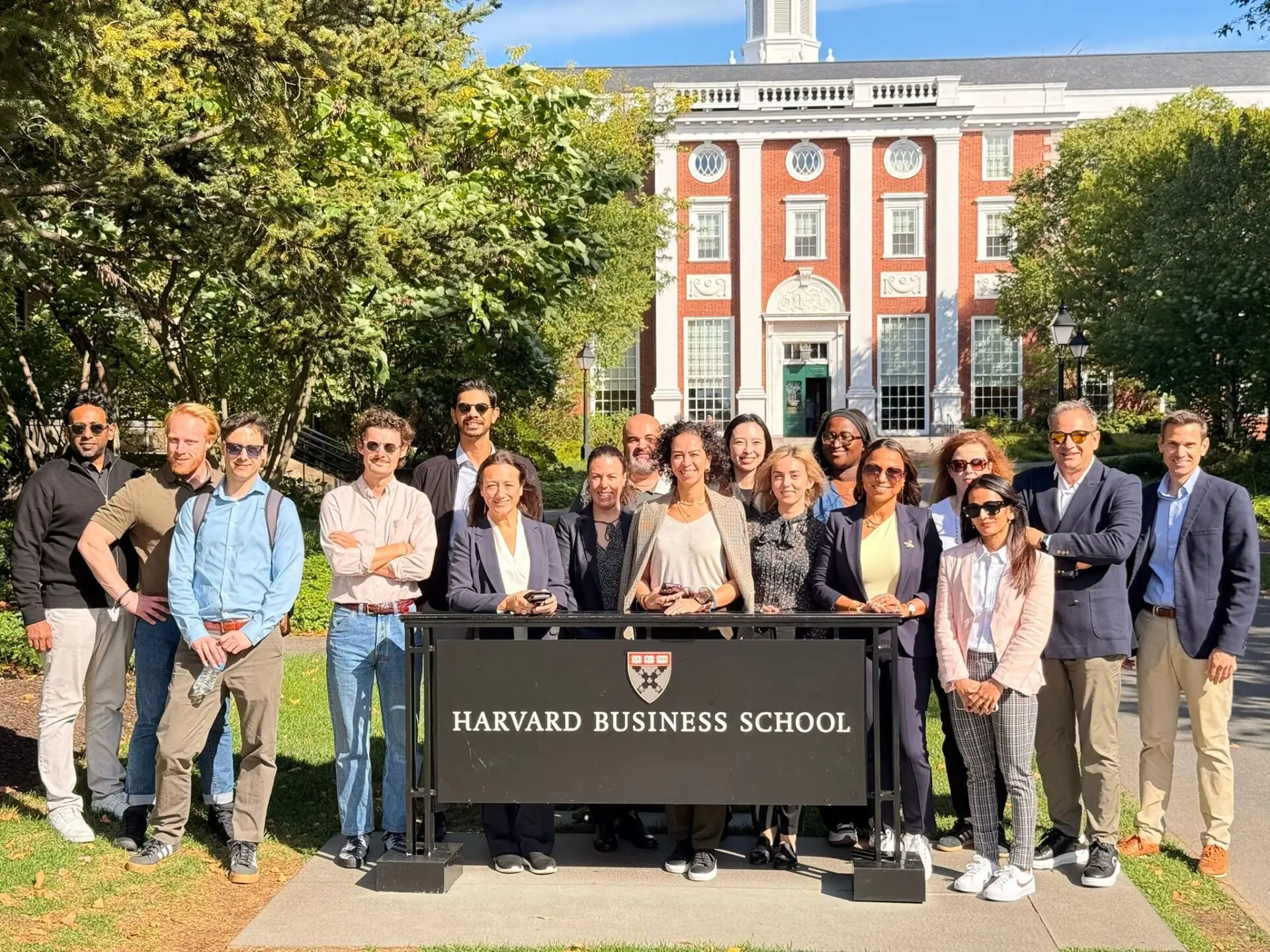
Our MBA participants belonging to the EDHEC Online program recently gathered in Boston for an immersive in-person learning expedition, hosted by the French-American Chamber of Commerce, New England (FACCNE). It was a remarkable week that brought together industry leaders and innovators who are shaping the future of business.

The experience offered a unique opportunity to explore one of the world’s most dynamic business environments, home to prestigious institutions like Harvard and MIT, and where global companies such as Google, Moderna, and IBM are established.

A Transformative Learning Experience

While the MBA is delivered online, this expedition shows how the program goes well beyond the digital classroom. It creates powerful, in-person moments of connection and learning, especially in vibrant business hubs like Boston.

This expedition acts as a powerful accelerator for personal and professional growth, helping participants build the mindset and skills needed to become the impactful leaders and changemakers of tomorrow. One participant, Christos Athanasiou, shared:

“The Learning Expedition in Boston was indeed a fantastic experience, both intellectually and personally. It offered a unique opportunity to connect with inspiring leaders, experience the innovation mindset of the Boston ecosystem, and reflect on how these insights can be applied to our own professional journeys.”

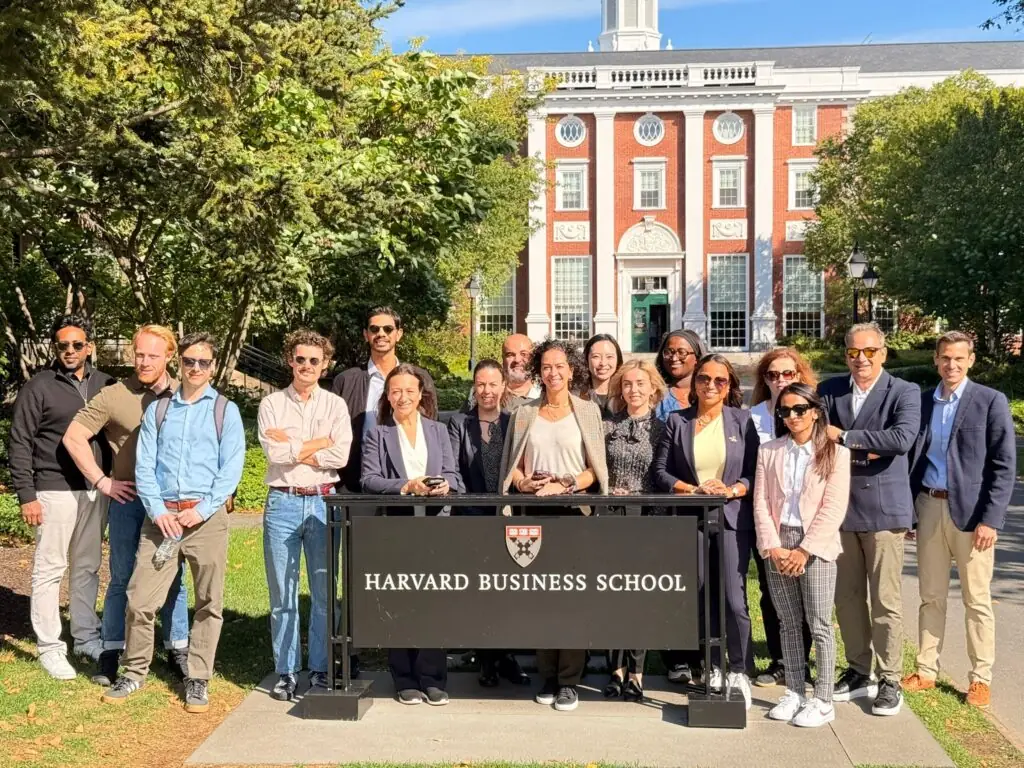
harvard-picture-learning-expedition

A Cornerstone of the EDHEC Online MBA Experience

The learning expedition is a key part of EDHEC’s transformative Online MBA. It gives participants the chance to meet in person, engage with business leaders, and explore real-world business cases that complement the program’s academic core.

Structured around three main pillars, sustainability, digital transformation, and leadership, the five-day program exposed participants to a wide range of industries, including smart cities and mobility, healthcare & life sciences, sustainability & consumer goods, financial services & digital transformation, climate tech, clean energy, & mobility, and innovation & entrepreneurship. This diverse immersion helped participants grasp how different sectors are addressing today’s most pressing business challenges.

Throughout the week, participants engaged with leading organisations such as Keolis, MIT-IBM Watson AI Lab, Indigo Technologies, and Harvard Innovation Labs.

For Oussama Mouhsine, one of the Online MBA participants, the experience highlighted how innovation and impact come to life when theory meets practice:

“A learning expedition in Boston with EDHEC Business School and French-American Chamber of Commerce, New England offered a unique opportunity to see this principle in action how ideas move from research to real-world outcomes.

These moments of exchange created valuable networking opportunities that extended well beyond the week itself. The connections made during the expedition will continue to support participants in their careers and leadership journeys.

learning expedition-speaker

A Real-World Impact Beyond the Classroom

The EDHEC Online MBA is designed to go beyond academic theory. It creates real-world learning moments, transformative experiences, and the kind of networks that open doors and change careers.

That’s why the learning expedition is such a defining part of the program. It’s a time for participants to gain perspective, challenge their thinking, and draw inspiration from the people and ideas shaping the future of business.

Subscribe to our newsletter BOOST, to receive our career tips and business insights every month.

Home >  Financial Risk Management: Strategies, Frameworks, and Real-World Applications

Financial Risk Management: Strategies, Frameworks, and Real-World Applications

From market fluctuations to credit defaults and operational disruptions, financial risk management equips businesses and professionals with the tools to anticipate, assess, and mitigate potential threats to their financial health. Whether you’re an aspiring financial risk manager or a decision-maker in a corporate setting, understanding the frameworks and strategies involved is crucial to long-term resilience.

In this article, you’ll learn what financial risk management is, why it matters, the key risk types, frameworks, and how organisations can implement risk management techniques to navigate uncertainty and build sustainable value. Discover how an advanced degree such as EDHEC’s Online MSc in Financial Management program helps professionals gain the skills to lead in this high-demand field.

MSc Financial Management

Financial Risk Definition

Financial risk refers to the possibility of losing money or assets due to exposure to uncertain financial outcomes, including:

  •  Market volatility
  • Liquidity shortages
  • Credit defaults
  • Regulatory changes
  • Operational failures

It plays a continual role in business, investment, and lending activities. However, it can be anticipated and managed with the right knowledge and systems in place.

Types of Financial Risk

Before developing a strategy, it’s important to understand the different forms financial risk can take. These categories define where vulnerabilities may arise and help guide mitigation strategies.

Market Risk:

Losses caused by unfavourable movements in financial markets, such as fluctuations in interest rates, stock prices, or foreign exchange rates, which can affect asset values or investment returns.

Credit Risk:

The likelihood that a borrower or counterparty will fail to meet their financial obligations, such as repaying a loan or honouring a credit agreement.

Liquidity Risk:

The risk that an organisation or individual will not have enough cash or easily sellable assets to meet immediate financial responsibilities, potentially leading to default or forced asset sales.

Operational Risk:

Losses resulting from failures in internal operations, such as flawed processes, technological breakdowns, human error, or disruptions caused by external events like natural disasters or cyberattacks.

Legal and Compliance Risk:

The potential for financial penalties, legal costs, or restrictions arising from violations of laws, regulations, or industry standards.

Foreign Exchange Risk or Currency Risk

The risk that changes in foreign currency exchange rates will negatively impact an organisation’s financial performance, particularly relevant for multinational firms and companies with international operations.

Understanding these risks is the first step to designing a strong financial risk management strategy. 

What Is Financial Risk Management?

Financial risk management refers to the strategic approach of identifying, assessing, and addressing potential financial threats that may impact an organisation’s assets, cash flow, or long-term viability. It involves applying specific tools and frameworks to anticipate uncertainty and reduce exposure to losses from market shifts, credit defaults, operational issues, or other financial disruptions.

Why Is Financial Risk Management Important?

Financial risk management is vital for ensuring a company’s long-term sustainability and profitability. Key benefits include:

  • Strategic decision-making: Informed decisions based on risk-adjusted returns
  • Capital preservation: Preventing significant losses in adverse scenarios
  • Regulatory compliance: Meeting global financial regulations (Basel III, IFRS 9, etc.)
  • Investor confidence: Transparent and robust risk frameworks increase trust

Especially in industries like banking, insurance, and investment management, risk management is closely integrated into core business strategy.

Interested in broadening your knowledge of financial risk management? Explore EDHEC’s Online Master of Science programs in finance desgined to help professionals deepen their understanding of financial risk management and build a resilient career.

MSc Corporate Finance

MSc Financial Management

Financial Risk Management Frameworks

A financial risk management framework serves as the structured foundation organisations use to embed risk awareness into daily operations and long-term decision-making. By formalising risk processes, these frameworks ensure consistency, accountability, and strategic alignment, enabling companies to anticipate, absorb, and adapt to financial shocks.

Effective frameworks are not only preventive but also empowering. For example, in the world of digital finance, crypto asset platforms and blockchain-based institutions face unique risks related to market volatility, cyber threats, and regulatory uncertainty. A well-structured risk management framework allows these organisations to build safeguards against sudden shifts in token values, implement real-time monitoring systems, and remain compliant with evolving global standards, ultimately helping protect investor trust and platform integrity.

Core Components of a Risk Management Framework

A robust risk management framework is built on several essential components that work together to ensure effective oversight and response. These components help organisations build a proactive risk culture and a system of controls that adapt to both emerging and long-standing threats:

1. Risk Identification:

Defining and categorising all relevant risks across the organisation, such as market, credit, operational, and legal risks, so they can be tracked and prioritised.

2. Risk Measurement and Assessment:

Quantifying the likelihood and potential impact of various risks using tools like Value at Risk (VaR), stress testing, and scenario analysis to understand exposure levels.

3. Risk Mitigation:

Developing and implementing strategies to reduce or control risks, including diversification, insurance, internal controls, and hedging techniques.

4. Risk Monitoring and Reporting:

Establishing regular reporting channels and performance indicators to track how risks evolve over time and ensuring they remain within acceptable limits.

5. Risk Governance:

Defining clear roles, responsibilities, and approval processes to ensure risk management is embedded at every level of the organisation, from operational teams to board oversight.

Together, these components form a continuous loop that strengthens an organisation’s resilience and ensures informed decision-making under uncertainty.

Tools and Methods for Financial Risk Control

There is no one-size-fits-all method for managing financial risk. Depending on the type of risk and industry context, different tools and approaches are used. Below are practical strategies organisations can implement to manage financial exposure effectively:

Risk Identification and Assessment

Use techniques such as SWOT analysis, risk mapping, or scenario analysis to identify vulnerabilities.

Quantitative Risk Modelling

Apply models like Value at Risk (VaR), Monte Carlo simulations, and stress testing to evaluate potential losses.

Hedging Techniques

Use derivatives (futures, options, swaps) to mitigate price risks or interest rate exposures.

Diversification

Avoid concentration risk by spreading investments across sectors, geographies, and instruments.

Liquidity Management

Maintain adequate cash reserves and monitor cash flow ratios.

Risk Reporting and Monitoring

Develop dashboards and reports to keep stakeholders informed and responsive.

How Organisations Address Financial Risk

After assessing risks, the next step is determining the most appropriate way to respond. Financial risk treatment encompasses a range of strategic responses that help organisations align their risk posture with their business goals and risk appetite. Here are four widely used approaches:

Risk Acceptance:

This involves tolerating a risk when its potential impact is minimal or within acceptable thresholds. Often used when the cost of mitigation outweighs the potential loss, this strategy is most effective for low-probability or low-impact risks.

Risk Avoidance:

This means completely eliminating activities or decisions that expose the organisation to certain risks. For instance, a company may choose not to enter a volatile market to avoid excessive currency risk.

Risk Transference:

In this approach, the risk is passed to a third party, commonly through insurance, outsourcing, or contractual agreements. This method is often applied to manage liability or operational disruptions.

Risk Mitigation:

This strategy aims to reduce the likelihood or severity of a risk. Techniques include diversifying assets, implementing internal controls, or using hedging instruments to reduce exposure to adverse market movements.

cooperation-analyst-chart-professional-paper-economics

Real-World Applications and Case Examples

To understand how financial risk management plays out beyond theory, it’s helpful to look at real-world scenarios where professionals apply these techniques to protect and enhance value. Below are examples illustrating how different types of risk are tackled across industries:

Credit Risk in Retail Banking:

Retail banks commonly use predictive credit scoring systems and machine learning algorithms to assess a borrower’s likelihood of default. These tools enable more accurate lending decisions and reduce non-performing loan ratios.

Market Risk in Asset Management:

In investment firms, portfolio managers actively hedge currency and interest rate exposure by employing financial derivatives such as swaps and options. This helps stabilise returns and align performance with investor expectations.

Operational Risk in Fintech:

Startups in the fintech space often face technology-related vulnerabilities. To mitigate this, many implement robust internal controls and invest in advanced cybersecurity measures to prevent data breaches and fraudulent activity.

Financial Risk Management Careers

As global financial markets grow more complex, demand for certified professionals is rising. Key roles include:

Financial Risk Manager (FRM):

Oversees the identification, evaluation, and mitigation of all types of financial risks within an organisation. Typically certified through GARP, this role requires strong analytical and strategic planning skills.

Credit Risk Analyst:

Focuses on assessing the creditworthiness of borrowers and counterparties. They develop scoring models and analyse financial statements to support lending or investment decisions.

Market Risk Specialist:

Monitors and manages exposure to market fluctuations in interest rates, currencies, commodities, or equities. Their goal is to protect asset values and ensure compliance with trading limits.

Compliance Officer:

Ensures that the organisation adheres to financial regulations, industry standards, and internal policies. This role is critical for avoiding legal penalties and maintaining investor trust.

Risk Modelling Analyst:

Builds and validates quantitative models used to measure financial risk. This includes stress testing, scenario analysis, and value at risk (VaR) calculations across different asset classes.

Learn How to Manage Financial Risks with Confidence

Financial risk management is not only about avoiding pitfalls, it’s about equipping yourself to lead in complex, fast-changing environments. As global finance grows more interconnected, professionals who can manage financial risk with confidence and foresight are essential across industries. Whether you’re looking to future-proof your career or transition into roles such as risk analyst, compliance officer, or financial manager, mastering risk management opens doors to impactful and high-demand opportunities.

Pursue a Finance Degree at EDHEC

With a strong international reputation for excellence in finance education, EDHEC offers two specialised online programs designed to meet the evolving demands of the financial sector. These programs equip professionals with the tools to navigate market volatility, assess risk exposure, and apply hedging and financial planning techniques in real-world contexts.

The MSc in Financial Management and the MSc in Corporate Finance are both flexible and practice-oriented, built around dynamic, case-based learning. They are ideal for professionals looking to advance or pivot their careers in sectors such as banking, fintech, investment, or corporate finance.


Subscribe to our newsletter BOOST, to receive our career tips and business insights every month.

Home >  EDHEC Online Graduation Ceremony 2025: A Celebration of Pride and Purpose

EDHEC Online Graduation Ceremony 2025: A Celebration of Pride and Purpose

On October 3, 2025, after a journey marked by dedication and perseverance, nearly 240 graduates gathered on EDHEC’s Lille campus to celebrate their graduation.

It was a powerful and emotional moment, filled with pride, purpose, and a shared sense of achievement. It truly reflected EDHEC’s mission to deliver world-class education that is accessible, impactful, and geared towards driving positive change.

238-Celebration2025-EOL


A Global Community, United in Celebration

Graduates from the online Master of Science, Executive Master Management, and Bachelor of Science programs came together to mark this special occasion, joined by their peers, program directors, and faculty members.

Coming from across the globe, these graduates embody the diversity of the EDHEC Online community and now become part of an international network of over 60,000 alumni.

This symbolic moment was also an opportunity to reaffirm the founding vision of the school. As Benoit Arnaud, Dean of Programs shared:

“EDHEC will soon celebrate its 120th anniversary. From the very beginning, the school was never just about teaching business, it was about shaping the women and men who would transform it.”

Shaping the Future with EDHEC Online

The ceremony served as a testament to EDHEC Online’s ongoing ambition to offer a learning experience that blends academic excellence, flexibility, and meaningful human connection.

The Class of 2025 represents a new generation of lifelong learners who are resilient, curious, and committed to building a more responsible and innovative world.

One such graduate is Florian Nguyen, MSc in Corporate Finance alumnus and Team Leader at Giirafe, who reflected on the deeper meaning of finance:

“Our Master’s program showed us that finance is about making choices that impact people’s lives, transform industries, and create opportunities for the future. And now, we are ready to take on that mission.”

Julien Deslangle, Director of Online International Programs, highlighted the transformative nature of the EDHEC Online journey:

“The world needs you today. Thanks to your master’s degree, you’ve developed the ability to turn noise into clarity, and clarity into action.”

With the right education, you gain the tools to take action, make decisions, and create real-world impact.

Watch the highlights from the 2025 graduation ceremony and relive this inspiring moment.


Subscribe to our newsletter BOOST, to receive our career tips and business insights every month.

Home >  How to Become an Investment Banker: Skills, Steps, and Career Paths

How to Become an Investment Banker: Skills, Steps, and Career Paths

In a competitive global economy, investment banking remains one of the most prestigious and rewarding careers in finance. The role is often associated with high salaries, fast-paced environments, and access to complex financial deals that shape industries and economies. For ambitious professionals, investment banking offers a strong earning potential and an exceptional exposure to global markets, influential organisations, and career advancement opportunities.

But how does one enter this competitive industry? Whether you’re considering a career change or planning your path from early on, this article will walk you through the essential steps to becoming an investment banker. You’ll discover what the job entails, the qualifications and skills you need, and how an advanced program like EDHEC’s Online MSc in Financial Management can support your journey.

MSc Financial Management 

financial graph, calculator and notepad on table

What Is Investment Banking?

Investment banking is a core area within financial services that focuses on facilitating high-level financial transactions for corporations, institutions, and governments. This includes helping clients raise capital and navigate mergers, acquisitions, and other strategic deals. Investment bankers act as financial advisors, guiding clients on valuations, market trends, and optimal deal structures.

Investment Banking Meaning

While often used interchangeably with corporate finance or financial advisory, investment banking has a specific role in capital markets. It focuses on supporting large-scale financial transactions by:

  • Structuring and underwriting the issuance of debt and equity instruments
  • Advising on mergers, acquisitions, and corporate reorganisations
  • Facilitating the sale of securities to investors

In addition, investment banks provide insight into market dynamics, regulatory frameworks, and the optimal timing for raising capital.

Types of Investment Banks

Investment banks vary in size, focus, and the range of services they provide. Understanding the different types can help you determine where your interests and skills best align:

Bulge Bracket Banks:

These are large, multinational firms like JP Morgan and Goldman Sachs. They offer a full suite of investment banking services globally and work on some of the largest and most complex deals.

Middle Market Banks:

These firms, such as Raymond James or Houlihan Lokey, focus on mid-sized clients and deals, often within specific regions or sectors.

Boutique Investment Banks:

Specialising in a narrow service area, typically M&A advisory, these firms like Evercore or Moelis & Company provide deep expertise and high-touch client service.

Elite Boutiques:

Combining the prestige of bulge brackets with a focus on advisory, elite boutiques handle high-value deals without offering the full range of banking services.

Each bank type offers a different working culture, deal exposure, and career trajectory, an important consideration for professionals entering the field.

What Does an Investment Banker Do?

Investment bankers manage large-scale financial projects such as initial public offerings (IPOs), bond issuances, corporate restructuring, and M&A deals.

Investment Banker Responsibilities:

Common responsibilities include:

  • Conducting financial analysis and modelling
  • Preparing pitch books and presentations for clients
  • Managing due diligence processes
  • Negotiating terms of deals
  • Coordinating with legal and compliance teams

The role typically starts at analyst or associate level, with progression to vice president, director, and managing director roles over time.

Skills Required to Succeed in Investment Banking

Succeeding as an investment banker demands a distinct blend of technical expertise, soft skills, and the ability to thrive under pressure. Each of the following competencies plays a critical role in navigating the fast-paced and competitive industry:

  • Quantitative analysis: The ability to interpret financial data and perform valuations is fundamental in assessing investment opportunities.
  • Financial forecasting: Professionals must predict future financial outcomes to guide strategic decision-making.
  • Strategic thinking: Investment bankers need to consider long-term goals and market dynamics when advising clients.
  • Time management under pressure: Managing multiple high-stakes projects simultaneously requires excellent organisational skills.
  • Communication and negotiation: Clear, persuasive communication is essential when presenting deals and negotiating terms with stakeholders.
  • Attention to detail: Precision is vital when handling complex financial data, legal documents, and regulatory compliance.

Due to the intensity of the role, long workdays and tight deadlines are common—making resilience and adaptability essential.

Step-by-Step: How to Become an Investment Banker

The path to investment banking can vary between individuals. While the following steps offer a widely accepted roadmap, some professionals may enter the field through alternative routes depending on their experience, network, or niche expertise.

1. Earn a Degree in Finance or Related Field

A strong academic foundation is essential. Most investment bankers start with a bachelor’s degree in finance, economics, business or accounting. A postgraduate qualification, such as an MSc in Financial Management, can significantly enhance your credentials and readiness for technical roles.

2. Develop Technical and Analytical Skills

Investment bankers are expected to master:

  • Financial modelling and valuation
  • Advanced Excel and PowerPoint
  • Accounting and corporate finance
  • Market research and analysis
  • Familiarity with key financial tools such as:
    • Bloomberg Terminal: For real-time financial data, news, and trading analytics
    • Refinitiv Eikon: Platform for financial analysis, market research, and deal tracking
    • Capital IQ:  A research analysis platform for company profiles, transactions, and market insights
    • FactSet: Toolset for portfolio analysis, risk management, and market screening 

A program like EDHEC’s Online MSc in Financial Management equips students with these in-demand skills through practical coursework and case-based learning.

3. Pursue Relevant Internships

Summer analyst internships at major investment banking firms are a gateway into the industry. These experiences offer a preview of the work environment and often lead to full-time analyst positions.

4. Build Experience in Finance

Early work experience in investment banking, business consulting, or private equity builds credibility. Some professionals transition from roles such as financial analyst or management consultant before entering banking.

5. Network Within the Industry

Joining reputable professional organisations, attending industry events, and leveraging alumni networks can help you connect with recruiters and professionals at top firms. EDHEC gives you access to its extensive alumni network of 60,000 professionals from day one.

6. Apply to Analyst or Associate Programs

Major investment banks offer structured entry points:

Firms such as JP Morgan, Goldman Sachs, and Barclays have competitive graduate intake schemes.

7. Continue Developing and Advancing

After gaining experience, professionals can move into specialised roles like investment analyst, risk manager, or vice president. Progression is often performance-based and requires a combination of technical competence, deal-making ability, and leadership.

Multiracial business people working on financial markets in mode

Career Opportunities and Salary Expectations

Investment banking is known for high compensation, particularly in financial centres like London. Entry-level analyst roles can command salaries, with bonuses significantly increasing total pay. Senior roles such as vice president or managing director can earn well into six figures.

Investment Banking Jobs:

  • Investment banker: Oversees large-scale financial deals, including IPOs, M&A, and debt offerings, acting as a strategic advisor to clients.
  • Investment analyst: Conducts financial modelling, valuations, and market research to support investment decisions and deal execution.
  • Corporate finance associate: Works on capital raising, restructuring, and corporate strategy, often supporting senior bankers in transaction management.
  • M&A advisor: Specialises in guiding companies through mergers, acquisitions, or divestitures by evaluating targets and structuring deals.
  • Equity research analyst: Produces investment reports and forecasts for specific sectors or companies to help clients make informed trading decisions.

Take the First Step Towards a Career in Investment Banking

Becoming an investment banker requires commitment, technical expertise, and a strategic career path. Whether you’re looking to switch careers or advance within finance, investing in your education and earning a degree in finance can open doors to new opportunities in this high-impact and competitive industry.

EDHEC’s Online MSc in Financial Management offers a strategic edge. Designed to be completed while working full-time, the program provides a comprehensive understanding of key financial areas. The curriculum includes multiple courses that help you build practical, cross-functional expertise, including:

  • Valuation
  • Financial Planning & Forecasting
  • Corporate Financial Risk Management
  • Financial & Managerial Accounting

With academic rigour and practical relevance, the MSc empowers students to transition into roles in banking, finance, and beyond.

Subscribe to our newsletter BOOST, to receive our career tips and business insights every month.

Home >  Why Data Analytics for Managers Is Essential Today

Why Data Analytics for Managers Is Essential Today

How can managers harness the power of  data analytics to make better decisions and drive organisational success? As companies accumulate vast amounts of information, the ability to analyse, interpret, and act on data insights has become a critical skill for modern business leaders.

Data analytics empowers managers to transform raw data into actionable insights, enabling more informed strategic decisions, improved operational efficiency, and enhanced customer experiences. From predictive modeling to performance tracking, managers who master data analytics gain a significant competitive advantage in their roles.

Discover why data analytics is essential for modern managers and explore the different training options available to strengthen your capabilities. If you’re ready to enhance your analytical capabilities and lead with data-driven confidence, explore how EDHEC’s online and on-campus programs such as the Online Master of Science in Strategic Marketing can help you develop the expertise needed to succeed in today’s data-driven landscape.

MSc Strategic Marketing

data analytics for managers

What Is Data Analytics?

Data analytics helps transform large volumes of raw data into useful insights for business decisions. Companies use tools and techniques to find patterns and connections in their data.

By combining data from multiple sources, analytics teams can identify risks and discover new opportunities. Managers and data professionals work closely to improve projects and guide strategy.

It’s not just about reporting what happened, but also about predicting what’s next. With a focus on good data and clear analysis, businesses can turn information into a competitive edge.

Why Managers Must Understand Data Analytics

Modern managers are expected to lead with insight, and gaining that insight starts with data. Whether you’re managing a marketing campaign, streamlining inventory, or overseeing customer experience, understanding how to interpret data sets and KPIs is crucial.

Managers equipped with data analytics skills can:

  • Make evidence-based decisions
  • Predict market and customer behaviour
  • Optimise resource allocation
  • Identify operational inefficiencies
  • Measure the impact of strategic initiatives

In short, data analytics transforms managers into strategic thinkers who act proactively rather than reactively.

Learning Data Analytics for Managers

Managers who don’t yet have formal training or education in data analytics, but need to build legitimacy and enhance their decision-making, can choose from several flexible learning formats tailored to their needs and goals.

Benefits of Data Analytics Training

Whether you’re new to analytics or looking to enhance your capabilities, learning data analytics offers key professional advantages:

  • Strategic advantage: Gain insights to lead data-driven transformation
  • Decision-making confidence: Interpret dashboards, reports, and KPIs with clarity
  • Career growth: Develop skills increasingly demanded by top employers
  • Cross-functional collaboration: Communicate more effectively with analysts, IT, and data teams
  • Enhanced leadership credibility: Earn trust by backing decisions with data
  • Improved problem-solving: Approach challenges with analytical tools and techniques

Data Analytics Learning Options: From Analyst Short Courses to Advanced Degrees

Depending on their goals, time, and level of experience, professionals can access data analytics learning through a variety of formats:

  • Short courses and workshops: Offer targeted training on tools or techniques. Perfect for gaining quick skills or exploring analytics basics.
  • Online certifications: Deliver self-paced learning programs focused on core analytics skills. Ideal for building technical competencies while continuing to work.
  • Advanced degrees like an MSc: Provide a comprehensive and strategic understanding of data analytics in business. Ideal for advancing into leadership roles or transitioning into data-focused careers.
  • Blended learning options: Combine online modules with live instruction or practical projects. Best for applying knowledge through hands-on learning with expert guidance.

Online Courses in Data Analytics for Managers

What do these courses usually include? While designed specifically for non-technical professionals, data analytics courses for managers typically focus on core analytical skills and their business applications. They help build confidence in working with data, without delving into advanced coding or data science.

Topics often covered include:

  • Basic statistics and interpreting business data
  • Introduction to data visualisation tools like Tableau or Power BI
  • Understanding key performance indicators (KPIs) and dashboards
  • Business case studies in marketing, operations, and finance

Understanding Data Analytics at EDHEC

EDHEC offers a variety of online and on-campus programs that equip professionals with essential data analytics skills to drive strategic impact.

The  Online MSc in Strategic Marketing and the Online MSc in Data Management & Business Analytics both include courses such as Data Analytics for Managers and Data Visualisation , combining analytical tools with real-world applications to strengthen decision-making and communication.

For those looking to build deeper technical knowledge, the on-campus MSc in Data Analytics & Artificial Intelligence focuses on developing data science capabilities and the critical thinking needed to tackle complex business problems.

Together, these programs equip learners with the strategic and technical tools to lead confidently in data-driven environments.

Guidelines To Choose the Best Course

When selecting a data analytics course, consider the following criteria to ensure it aligns with your goals and background:

  • Level of experience: Choose beginner-friendly courses if you’re new to analytics or more advanced programs if you already have some technical knowledge.
  • Learning format: Decide between online, on-campus, or blended learning depending on your schedule and preference for flexibility.
  • Career objectives: Look for courses that offer relevant specialisations, marketing analytics, business intelligence, or data science, based on your intended career path.
  • Content relevance: Ensure the curriculum covers both foundational topics (like data interpretation and visualisation) and industry-relevant case studies.
  • Support and resources: Consider institutions that provide access to expert instructors, career services, and interactive learning tools.
  • Recognition and accreditation: Choose courses from well-established institutions with recognised certifications or degrees to strengthen your professional credibility.

Real-World Applications: Data Analytics in Managerial Contexts

Understanding data analytics is not just about theory, it’s about practical application. Here are some common areas where managers leverage data:

Marketing & Product Management

  • Understand what customers want and how they behave
  • Check if campaigns are working and make improvements
  • Plan future product demand and launches using data

Project and Operations Management

  • Track project progress and control budgets
  • Identify delays or issues in workflows
  • Plan resources based on data trends

Risk and Supply Chain Management

  • Assess supply chain vulnerabilities
  • Conduct risk assessments using historical data
  • Optimise logistics and inventory levels

These are just a few examples. Data analytics can also be applied in areas such as finance, HR, customer service, and sustainability to support better decisions across the organisation.

Three businessman working and discussing business together in a meeting

Careers in Data Analytics

Demand for data analytics professionals is on the rise, creating diverse career opportunities for those with the right mix of business understanding and analytical skills. With growing reliance on data, organisations need people who can interpret insights and apply them to real-world problems.

Careers range from traditional analyst roles to specialised fields like marketing analytics, where data is used to better understand customers, or operations analytics, which focuses on streamlining business processes. Roles such as Analytics Manager and Marketing Data Analyst are becoming increasingly common, requiring both technical knowledge and the ability to guide teams and communicate insights clearly.

As data becomes more central to strategic decisions, professionals who can bridge the gap between analysis and action are well-positioned to move into leadership roles and help drive innovation across departments.

What Does a Data Analytics Manager Do?

A data analytics manager plays a key role in any successful data-driven organisation. Their responsibilities go well beyond analysing numbers. They help shape strategies by turning data into actionable insights.

A data analytics manager leads a team of analysts, data scientists, and IT professionals to collect, interpret, and present data in a way that supports business objectives. They act as a bridge between technical teams and decision-makers, translating complex datasets into clear, actionable insights. Their responsibilities include:

  • Overseeing data analysis strategies aligned with organisational goals
  • Ensuring data quality and integrity across sources
  • Leading data visualisation and reporting efforts for stakeholders
  • Identifying trends, risks, and opportunities through statistical models
  • Collaborating with marketing, finance, and operations teams

This role is increasingly important in modern organisations, as businesses face growing complexity and an ever-expanding volume of data.

Building Competitive Advantage Through Data

Today, competitive advantage stems not just from innovative products or services, but from the ability to harness and act on data insights faster than the competition.

  • Retailers use analytics to predict what customers will buy
  • Banks use data to monitor risk and make faster decisions
  • Marketers use customer behaviour data to improve campaigns

The ability to act on these insights gives organisations a key advantage. It all starts with capable, data-savvy managers.

Take the Next Step with EDHEC

With fierce competition in today’s job market, an advanced degree from a top-ranked business school can pave the way for new opportunities and strengthen your professional profile.

EDHEC offers three specialised programs that help professionals build key data analytics capabilities: the Online MSc in Strategic Marketing, the Online MSc in Data Management & Business Analytics , and the on-campus MSc in Data Analytics & Artificial Intelligence. Whether you’re looking to advance in marketing, management, or data science, these programs equip you with the knowledge and skills to lead confidently in a data-driven world.


Subscribe to our newsletter BOOST, to receive our career tips and business insights every month.

Home >  Financial Management for Managers: Effective Tips for Success

Financial Management for Managers: Effective Tips for Success

Are you looking to build a career in financial management? In today’s complex business environment, financial management is no longer the sole domain of accountants or CFOs. Managers across departments are increasingly expected to make financially informed decisions that contribute to organisational success. Whether you’re overseeing a marketing budget, leading operations, or managing a team, understanding financial principles is essential.

In this article, you will discover the core functions of financial management, explore the essential skills every manager should develop, discover how to become a successful financial manager, and learn how EDHEC’s Online Master of Science in Financial Management can equip you to lead with confidence.

MSc Financial Management

finance-calculator-graphics

Meaning of Financial Management

Financial management refers to the strategic planning, organising, directing, and controlling of financial undertakings within an organisation. It ensures that financial resources are effectively allocated to achieve business objectives and create long-term value.

For managers, financial management means more than just balancing the books. It includes:

  • Interpreting financial data
  • Managing budgets effectively
  • Assessing and mitigating risks
  • Supporting strategic initiatives

A solid grasp of financial management enables managers to align their departmental goals with broader organisational objectives.

Identifying the Difference Between Corporate Finance and Financial Management

While both corporate finance and financial management deal with financial decision-making, they differ in scope and focus:

Financial Management

  •  Concerned with the day-to-day financial health of an organisation. It covers budgeting, forecasting, managing cash flow, and ensuring resources are allocated efficiently.

Corporate Finance

  •  Focused on strategic, long-term decisions such as capital structure, mergers and acquisitions, and maximising shareholder value.

In practice, managers need to understand both. Financial management helps them run their departments effectively, while corporate finance equips them to contribute to strategic decisions at the organisational level. At EDHEC Online, we have an Online Master of Science in Corporate Finance and an Online Master of Science in Financial Management, programs designed to provide professionals with deeper expertise and strengthen their skills in these two areas.

Exploring Finance for the Non-Financial Manager

Not every manager comes from a financial background, yet understanding financial concepts is critical in today’s business environment. Finance for non-financial managers focuses on providing the essential tools and knowledge to interpret reports, make budget decisions, and engage effectively with finance teams.

This area covers:

  • Basic financial principles: Understanding income statements, balance sheets, and cash flow
  • Budgeting essentials: Planning, allocating, and controlling resources effectively
  • Decision-making support: Using financial data to guide strategic and operational choices
  • Performance evaluation: Linking financial outcomes to business objectives

By gaining these skills, managers without prior finance training can make more informed decisions, contribute strategically, and enhance their leadership effectiveness.

What Are the Functions of Financial Management?

Understanding the functions of financial management helps managers make informed decisions. These core functions include:

1. Planning and Forecasting

Budgeting and financial forecasting enable managers to plan for future growth, anticipate cash flow needs, and allocate resources effectively.

2. Investment Decisions

Managers often need to evaluate capital investments—equipment, new hires, or expansion initiatives—based on potential returns and alignment with strategic goals.

3. Financial Reporting and Control

Maintaining accurate records, monitoring performance against budgets, and ensuring compliance with internal and external standards are vital responsibilities.

4. Risk Management

Financial management involves identifying, analysing, and mitigating financial risks, such as cost overruns or market volatility.

5. Liquidity and Cash Flow Management

Ensuring that the organisation maintains sufficient cash flow to meet its obligations is critical to operational stability.

6. Capital Structure Management

Determining the right mix of debt and equity financing is essential to balance risk and return, minimise the cost of capital, and maintain financial flexibility for growth.

What Is the Role of a Manager in Financial Management?

Managers play a pivotal role in bridging operational execution with strategic financial oversight. Key responsibilities include:

  • Aligning departmental budgets with overall business strategy
  • Making cost-effective decisions based on ROI
  • Analysing financial data to identify trends and support forward-looking strategies
  • Collaborating with finance teams to ensure accurate reporting
  • Communicating financial goals and results to stakeholders
  • Evaluating performance metrics and adjusting plans accordingly

In summary, managers act as financial interpreters, translating numbers into actions that drive results. Their responsibilities extend well beyond these primary missions, as they take on many more depending on the organisation, sector, and strategic priorities.

What Are the Important Skills for Financial Managers?

To be effective in today’s finance-driven landscape, managers should develop the following competencies:

Financial Literacy

Understanding financial statements, balance sheets, and cash flow reports.

Analytical Thinking

Interpreting financial data to support strategic decision-making.

Budgeting and Cost Control

Developing and managing budgets, and identifying cost-saving opportunities.

Communication Skills

Explaining financial concepts clearly to non-financial stakeholders.

Strategic Thinking

Connecting financial planning with long-term business goals.

Tech Savviness

Using financial software and tools for analysis, forecasting, and reporting.

Software for Financial Management

Modern managers rely on digital tools to streamline processes and improve decision-making. Some widely used categories of software include:

Enterprise Resource Planning (ERP) Systems

  •  Platforms like NetSuite and Acumatica integrate finance, operations, and reporting for a unified view of organisational performance.

Accounting Software

  •  Tools such as QuickBooks and Xero help manage transactions, generate financial statements, and ensure compliance.

Budgeting and Forecasting Tools

  •  Solutions like Anaplan and  PlanGuru support scenario planning, resource allocation, and performance review.

Expense and Payroll Management

Cash Flow and Payment Tools

  •  Systems like Tipalti provide real-time liquidity monitoring, accounts payable automation, and global payments.

Business Intelligence (BI) Tools

  • Solutions such as Tableau and Power BI allow managers to analyse trends, create dashboards, and turn raw financial data into actionable insights.

By adopting these tools, managers can save time, reduce errors, and focus on strategic decision-making rather than manual reporting.

Valuable Finance Courses

There are many valuable courses that help managers build and deepen their financial knowledge. Here are some of the most crucial ones that provide strong foundations and practical applications:

Financial and Managerial Accounting

  • Learn to interpret financial statements and use accounting information for managerial decision-making

Statistics for Finance

  • Understand statistical tools and methods that support financial analysis and risk assessment

Corporate Finance

  • Explore capital structure, valuation, and investment decision-making at the corporate level.

Corporate Financial Risk Management

  • Gain expertise in identifying, measuring, and managing financial risks in global organisations.

These courses offer the essential knowledge required to make effective decisions and align financial management with broader business goals. EDHEC’s Online MSc in Financial Management prepares you to gain well-rounded expertise through a carefully designed combination of such courses, blending theory with practical application.

Effective Financial Management Tips

Practical actions can help managers immediately improve financial decision-making and team performance. Here are some actionable practices:

  • Setting clear and measurable financial goals that align with business strategy
  • Monitoring cash flow regularly to anticipate challenges early
  • Maintaining accurate and transparent records for accountability
  • Reviewing budgets frequently and adjusting as needed
  • Controlling costs proactively without compromising quality
  • Planning for contingencies with buffers and risk management strategies
  • Using modern tools and software to automate tasks and improve analysis

By applying these short-term practices, managers can strengthen day-to-day financial decision-making and ensure stability.

Cooperation and teamwork during business meeting

How to Become a Successful Financial Manager

The path to becoming a successful financial manager is not the same for everyone. It combines education, practical experience, and a willingness to continue learning. Here are some long-term development areas to focus on:

Pursue Relevant Education

A specialised qualification such as EDHEC’s MSc in Financial Management provides the theoretical knowledge and applied skills needed for advanced roles. It also gives you the crediblilty and degree needed to stand out in the competitive market.

Gain Practical Experience

Hands-on exposure to budgeting, forecasting, and financial analysis across different departments strengthens applied competencies.

Develop Leadership Skills

Leadership development involves team management, cross-functional collaboration, and effective communication with stakeholders to drive financial strategies. Leadership skills can be further built through coaching, formal training programs, and seeking feedback from peers and supervisors.

Stay Informed on Trends

Awareness of financial regulations, emerging technologies, and global market shifts ensures long-term effectiveness.

Adopt a Strategic Mindset

A strategic mindset focuses on alignment of financial decisions with business objectives to contribute to sustainable growth.

Master Tools and Software

Proficiency with financial software, data visualisation platforms, and automation tools enhances efficiency and equips managers to make more accurate, data-driven decisions.

By combining technical proficiency with strategic thinking, managers can transition into successful financial leaders who make a tangible impact on organisational performance.

The Future of Financial Management

Financial management is a promising field with growing relevance across industries. As organisations face globalisation, digitalisation, and evolving regulations, the demand for skilled managers who can interpret financial data and guide strategic decisions continues to rise. Careers in this area offer strong growth potential, diverse opportunities, and attractive remuneration for professionals who combine technical expertise with leadership skills.

Emerging Trends in Financial Management

Financial management is evolving rapidly, driven by technology, regulation, and shifting business expectations. Managers need to be aware of these developments to remain competitive:

  • AI and Automation in Finance: Tools like robotic process automation and machine learning are streamlining reporting and enabling real-time insights rather than relying on end-of-month closes.
  • Open Banking and APIs:  Direct bank connections make it easier to automate reconciliations, monitor liquidity, and improve cash-flow forecasting.
  • RegTech and Compliance: Increasingly complex regulatory environments demand proactive, technology-enabled compliance and reporting systems.
  • Fintech Partnerships: Collaboration with fintech providers is creating embedded finance solutions, reducing back-office friction, and enhancing user experiences.
  • Blockchain and Smart Contracts: Distributed ledger technologies are offering new ways to reduce settlement times and strengthen transparency.
  • Sustainability and ESG: Investors and regulators are placing more weight on environmental and social metrics, making them integral to long-term strategy.
  • Globalisation of Finance:  Cross-border operations call for robust treasury management and awareness of multi-regime compliance.
  • Workforce and Skills Evolution: Finance teams are shifting from traditional bookkeeping towards strategic advisory, with demand rising for skills in data visualisation, scenario planning, and business partnering.
  • Cybersecurity and Risk: Protecting financial systems and sensitive data is becoming a top priority in an increasingly digital world.
  • Hybrid Work and Digital Infrastructure: Remote and flexible work models are influencing cost structures, investment in digital tools, and long-term financial planning.

These trends confirm that financial management is not static but a dynamic, future-oriented career path. Managers who embrace innovation, sustainability, and data-driven decision-making will be well positioned to shape strategy and business growth.

Thrive as a Financial Manager with EDHEC’s MSc in Financial Management

EDHEC’s Online MSc in Financial Management is tailored for professionals aiming to strengthen their financial expertise while balancing career demands. The program equips future experts in corporate financial management to master the levers of sustainable performance, align financial strategies with broader business objectives, and make ethical, forward-looking decisions that drive long-term growth.

You’ll benefit from:

  • EDHEC’s strong international reputation in finance education
  • A flexible, 100% online format
  • Real-world case studies and practical applications
  • Access to top-tier faculty and finance practitioners
  • A comprehensive curriculum aligned with the demands of global business

Subscribe to our newsletter BOOST, to receive our career tips and business insights every month.

Home >  Understanding Social Media Intelligence: From Tools, Applications and Best Practices

Understanding Social Media Intelligence: From Tools, Applications and Best Practices

In a landscape increasingly shaped by real-time digital engagement, data from social platforms has become one of the most influential drivers of strategic decision-making. Whether it’s to track brand sentiment, detect emerging consumer trends, or even prevent cyber threats, organisations are increasingly turning to social media intelligence (SMI). But what exactly is it, and how is it revolutionised by artificial intelligence (AI)?

This article delves into SMI, exploring its benefits, data types, tools, applications, and ethical considerations. From foundational concepts to career pathways, you’ll discover how EDHEC’s MSc in Strategic Marketing equips professionals to lead with insight, data fluency, and strategic agility in today’s digital world.

MSc Strategic Marketing

Connected people. Interactions between employees and working groups. Networking communication. Decentralized hierarchical system of company. Partnerships, business connections. Organization concept


What Is Social Media Intelligence (SMI)?

Social media intelligence refers to the process of collecting, analysing, and interpreting data from social media platforms to support decision-making. This data can be structured (likes, shares, engagement metrics) or unstructured (text posts, images, comments). SMI provides a comprehensive view of public opinion, market sentiment, and brand perception.

Key elements include:

  • Data aggregation: Collecting content from platforms like X, TikTok, Instagram, and LinkedIn
  • Sentiment analysis: Determining whether social mentions are positive, negative, or neutral
  • Trend detection: Spotting emerging themes and topics in user conversations
  • Influencer identification: Pinpointing key opinion leaders relevant to your industry
  • Crisis detection: Identifying early warning signals for potential public relations issues

This intelligence is crucial not only for marketers, but also for PR teams, customer service, and executive decision-makers.

Understanding Related Concepts in Social Media Intelligence

To fully grasp the scope and power of social media intelligence, it’s essential to distinguish it from other related practices. While terms like monitoring and listening are often used interchangeably with intelligence, each plays a distinct role in the broader landscape of social data analysis.

Social Media Intelligence and Social Media Monitoring

While social media monitoring involves tracking brand mentions, hashtags, or keywords, it is largely reactive and focused on volume metrics. Monitoring tools show what is being said but don’t always explain why. In contrast, social media intelligence provides strategic context—analysing behaviours, emotions, and patterns to extract meaning and foresight.

Social Media Intelligence and Social Media Listening

Social media listening takes monitoring a step further by attempting to understand sentiment, trends, and feedback. It is often used to support customer experience, product feedback, and campaign optimisation. However, listening is still limited to understanding the present. Social media intelligence goes further, incorporating advanced analytics, AI tools, and long-term strategic applications.

What Is the Difference Between OSINT and SOCMINT?

Open Source Intelligence (OSINT) and Social Media Intelligence (SOCMINT) are both methods of gathering insights from publicly accessible sources, but they serve different functions and are used in distinct contexts.

OSINT: Open Source Intelligence

  • Involves collecting data from publicly available sources such as websites, news portals, government reports, and forums
  • Broad in scope and commonly used in investigative journalism, research, cybersecurity, and national security
  • Typically carries fewer ethical risks when sourced responsibly

SOCMINT: Social Media Intelligence

  • Specifically focused on public and semi-public content from social media platforms
  • Offers real-time insights into public discourse, trends, and individual behaviour
  • Requires adherence to privacy laws and ethical use of personal data

In essence, SOCMINT is a specialised offshoot of OSINT tailored to the unique structure, pace, and engagement dynamics of social media platforms.

Key Benefits of Social Media Intelligence for Businesses

SMI empowers businesses to move beyond surface-level metrics. Its business intelligence capabilities offer:

  • Real-time consumer feedback: Capturing audience reactions to products or campaigns
  • Competitive intelligence: Monitoring and analysing competitor activity
  • Reputation monitoring: Identifying and managing brand-related risks
  • Customer segmentation: Categorising users based on behavioural and emotional data

This intelligence aids in building more personalised strategies and refining brand messaging.

Exploring Social Media Intelligence Tools

A wide variety of social media intelligence tools exist to support organisations in transforming raw data into actionable insights. While the following examples are among the most widely used, they represent just a subset of the tools available in the market:

  • Hootsuite: Offers deep listening across global social platforms
  • Brandwatch: Specialises in sentiment and trend analysis
  • Talkwalker: Combines visual and textual data tracking
  • Sprinklr: Supports emotional intelligence monitoring and crisis detection
  • Meltwater: Provides media intelligence and advanced analytics for tracking brand perception
  • Agorapulse: Enables robust social media reporting and team collaboration features

These tools are essential for any digital marketing team looking to convert social content into strategic insight, but it’s also important to explore emerging platforms and niche solutions tailored to specific industries or data types.

Social Media Intelligence Key Applications

Social media intelligence serves multiple industries and functions. Key applications include:

Marketing Strategy Development:

  • Informing campaign decisions based on real-time consumer sentiment

Crisis Management:

  • Quickly identifying and mitigating emerging PR issues and reputation risks

Product Development:

  • Analysing user feedback to guide feature enhancements and address user pain points

Risk Management and Security:

  • Detecting potential threats, misinformation, or harmful narratives

Customer Service and Social CRM:

  • Enhancing engagement, support, and lead generation via social customer insights

Market Research and Buzz Monitoring:

  • Tracking trends, competitive buzz, and consumer opinion at scale

Government and Public Sector Monitoring:

  • Using SMI for public sentiment tracking, policy forecasting, and responsive governance

Disaster Response and Public Safety:

  • Leveraging real-time social data during emergencies for situational awareness

Public Health and Product Safety Monitoring:

  • Identifying safety signals or adverse events in real time via user discussions and reviews

Brand Health and Loyalty Metrics:

  • Measuring long-term brand sentiment, customer retention, and voice of customer indicators for strategic audit processes

Law Enforcement and Security:

  • Enabling authorities to monitor social networks for public safety threats, extremist rhetoric, and criminal activity while adhering to ethical and legal standards

Types of Social Media Data Collected

Understanding the various types of social media data is crucial for executing effective intelligence strategies. These data types fall into several categories, each providing unique insights:

1. Structured Data

Structured data is quantifiable and easily measurable. It includes:

  • Likes, shares, and retweets
  • Number of followers and impressions
  • Engagement rates and click-throughs
  • Hashtag usage and trending topics
  • Follower/following networks (social graphs)

2. Unstructured Data

Unstructured data consists of content that is not easily quantifiable without analysis tools. This includes:

  • Text in posts, comments, and replies
  • Video and image content
  • Emojis and multimedia expressions
  • Natural language messages and dialogues
  • User bios and captions

3. Behavioural Data

This data focuses on how users interact with content:

  • Scroll depth and time spent on content
  • Sharing patterns and frequency
  • Click behaviour and interaction pathways
  • Event RSVPs and group activity

4. Geospatial Data

Some social media content is tagged with geographic information:

  • Location check-ins and geotagged posts
  • Regional hashtags and local sentiment
  • Event-based geographic activity

5. Network Data

Network data analyses the relationships between users and accounts:

  • Follower and following connections
  • Interaction networks and community clusters
  • Influencer mapping and virality paths

6. Public vs. Private Social Media Data

A vital legal and ethical distinction exists between public and private social media data:

  • Public data includes:
    • Public posts and comments
    • User bios, profile and cover photos
    • Public location check-ins and geotags
    • Hashtag usage and keyword mentions
    • Public likes, shares, and engagement metrics
    • Follower/following lists and network structures
    • Public events and interest-based groups
  • Private data is protected and inaccessible without legal authorisation (e.g., friends-only Facebook posts, private messages).

7. Demographic Data

Collected in aggregate, this data helps define group characteristics:

  • Age, gender, occupation (when publicly available)
  • Interest areas and joined communities
  • Engagement trends across audience segments

Combining these data types with structured analysis ensures a 360-degree view of audience behaviour and sentiment, empowering data-driven decision-making while maintaining ethical boundaries.

How Artificial Intelligence Enhances Social Media Intelligence

Artificial intelligence is fundamentally transforming how organisations approach social media intelligence. Key AI applications include:

1. Automated Content Analysis

AI can categorise and classify vast amounts of social content, identifying:

  • Trending topics
  • Emotional tones (sentiment analysis)
  • Influencer impact and reach

2. Natural Language Processing (NLP)

NLP allows systems to understand sarcasm, slang, or multilingual posts, enhancing both brand sentiment tracking and emotional intelligence.

3. Predictive Intelligence

AI models forecast future engagement patterns and potential crises, enabling proactive brand and threat management.

4. Visual Recognition

Advanced tools like image recognition can analyse visual content shared online, detecting logos, emotions, or objects.

Social Media Intelligence and Emotional Intelligence

Beyond metrics, social platforms reveal complex emotional landscapes. Emotional intelligence in social media refers to:

  • Understanding the emotional drivers behind consumer conversations
  • Detecting shifts in tone, such as fear, trust, or excitement
  • Crafting empathetic responses to community sentiment

AI tools trained in emotional analysis help businesses craft more resonant messaging and detect negative patterns before they escalate.

Social Media Intelligence Best Practices

Effectively applying social media intelligence requires more than just collecting data, it demands strategic planning, the right tools, and consistent refinement. By following key steps and maintaining a commitment to ethical analysis, organisations can transform raw social insights into impactful decisions.

How to Implement Social Media Intelligence

  • Define clear intelligence goals based on your strategic objectives
  • Choose appropriate tools and platforms for data collection
  • Focus on relevant data types aligned with your KPIs
  • Maintain a feedback loop between insights and decision-makers

Strategic Tips for Maximising Social Media Intelligence

  • Prioritise quality over quantity when analysing social data
  • Keep ethics and data privacy at the forefront
  • Regularly review and refine intelligence workflows
  • Integrate SMI insights across departments, from marketing to product development

Hands Using Tablet Screen Showing Statistics Business Data

Privacy and Ethical Considerations

With power comes responsibility. Social media intelligence must be implemented with clear ethical boundaries:

  • Respect for individual privacy: Always adhere to platform regulations and GDPR guidelines
  • Anonymisation of user data: Avoid tracking or profiling specific individuals
  • Transparency and intent: Organisations must clarify how they use collected data

Law enforcement agencies, in particular, must exercise caution to ensure rights are protected while conducting SOCMINT investigations.

Who Is Responsible for Social Media Intelligence?

Implementing and managing social media intelligence often requires cross-functional collaboration across departments. The responsibility may vary depending on organisational size and industry, but key stakeholders typically include:

  • Marketing and Communications Teams: Responsible for leveraging SMI to refine messaging, improve customer engagement, and drive campaign success.
  • Data Analysts and Social Media Analysts: Specialists who interpret and model social data into actionable insights.
  • Public Relations and Crisis Management Units: Use SMI for reputation monitoring, crisis detection, and response strategies.
  • Customer Experience and Support Teams: Monitor sentiment and feedback to improve service quality and user satisfaction.
  • Security and Compliance Officers: Ensure ethical data use, especially within law enforcement and sensitive sectors.
  • Executive Leadership : Make strategic decisions based on SMI reports, aligning social insights with broader business goals.

Assigning ownership of SMI requires not only technical expertise but also a clear understanding of the organisation’s ethical, legal, and strategic priorities.

Career Opportunities in Social Media Intelligence

The growing field of SMI has led to rising demand for professionals who can:

  • Interpret social data for business intelligence
  • Develop algorithms for emotional or visual analysis
  • Align insights with brand strategy and marketing goals

Key Roles in Social Media Intelligence

The field of social media intelligence involves a diverse set of roles that blend data analysis, strategic thinking, and communication skills. These positions are critical to interpreting digital behaviour and leveraging insights for a range of applications.

  • Social Media Intelligence Analyst: Gathers and analyses social data to provide meaningful recommendations for marketing, policy, or security strategies.
  • Digital Insights Strategist: Uses data-driven insights to support campaign design, brand performance tracking, and innovation.
  • SOCMINT Specialist: Works in public sector or security contexts to monitor social media for threats, misinformation, or behavioural signals.
  • AI Data Analyst for Social Content: Develops and applies machine learning models to process unstructured data, such as text, images, and videos, for pattern and sentiment analysis.

Social Media Competitive Intelligence: A Strategic Advantage

Social media competitive intelligence involves gathering and analysing publicly available social data to understand market dynamics and stay ahead of rivals. Unlike traditional market research, this form of intelligence is continuous and real-time, offering businesses a dynamic edge in a crowded landscape.

Organisations can use competitive SMI to:

  • Benchmark performance: Compare key metrics like engagement, sentiment, and share of voice against competitors
  • Identify market gaps: Spot unmet customer needs by analysing complaints or suggestions directed at competitors
  • Refine positioning: Understand how audiences perceive competitors and adjust brand messaging accordingly
  • Monitor competitor campaigns: Track social buzz around product launches, ad campaigns, and influencer partnerships
  • Detect vulnerabilities: Identify negative sentiment or crises involving competitors that may offer opportunities

With the right tools and expertise, social data becomes a powerful lens for uncovering competitive opportunities and responding proactively to industry shifts.

Why Social Media Intelligence Matters in Strategic Marketing

Marketing strategies are no longer guided solely by demographics and surveys. Today, success depends on live insights from social content:

  • What are consumers saying?
  • How do they feel about your brand?
  • Which platforms matter most for your industry?

Incorporating SMI helps marketers:

  • Develop resonant messaging
  • Optimise media spend
  • Enhance customer engagement

Advance Your Marketing Expertise Through Social Media Intelligence

Social media intelligence is reshaping how marketers, analysts, and strategists engage with real-time digital data. As organisations increasingly rely on insights from social platforms to make decisions, professionals equipped with the right analytical and strategic skills will lead the future of marketing.

EDHEC’s MSc in Strategic Marketing: Build Your Expertise

The Online Master of Science in Strategic Marketing at EDHEC is designed for forward-thinking professionals. It features case-based courses, including Social Data Intelligence, where students learn to apply social listening in research, understand consumer behaviour, and explore how platforms like X, Instagram, and TikTok drive strategic outcomes.

Participants gain hands-on experience analysing emotional and behavioural insights and learn to translate social data into strategic action. With a strong focus on real-world application and innovation, the program empowers graduates to lead in marketing teams, agencies, or digital transformation roles.

Subscribe to our newsletter BOOST, to receive our career tips and business insights every month.

Home >  Navigating Financial Management: A Guide to Strategies, Careers, and Core Principles

Navigating Financial Management: A Guide to Strategies, Careers, and Core Principles

How can individuals and businesses make smarter financial decisions and optimise resources in an unpredictable economy? The answer lies in financial management. As a fundamental pillar of any successful organisation, financial management ensures that every euro is accounted for, allocated efficiently, and leveraged to create long-term value.

In this article, discover what financial management entails, its core principles, key types, and why it’s critical to business success. Gain practical tips, explore how it integrates with accounting and corporate finance, and learn about career pathways in the field. To deepen your expertise, consider the Online Master of Science in Financial Management from EDHEC, an advanced program designed to empower professionals to drive sustainable financial performance in a complex global economy.

MSc Financial Management

financial management

What Is Financial Management?

Understanding the Meaning of Financial Management

Financial management refers to the strategic process of planning, organising, directing, and controlling an organisation’s financial activities. It involves the effective and efficient management of financial resources to meet business objectives and drive value creation.

Key functions include:

  • Budgeting and forecasting
  • Cash flow management
  • Investment analysis
  • Financial risk assessment
  • Financial reporting and compliance

Good financial management aligns financial planning with business strategy to enhance profitability, growth, and shareholder value.

The Importance of Financial Management

In a fast-changing global economy, financial management provides the clarity and control businesses need to thrive. Whether navigating inflation, regulatory shifts, or digital transformation, robust financial strategies enable resilience and long-term success.

Key benefits of strong financial management include:

  • Improved decision-making through accurate forecasting and reporting
  • Enhanced ability to manage costs and maximise returns
  • Increased agility in responding to market changes and economic uncertainty
  • Strengthened regulatory compliance and risk mitigation
  • Better alignment between financial goals and overall business strategy

Financial Management Principles

Several foundational principles guide effective financial management. These principles offer a structured framework for evaluating decisions, managing risks, and achieving sustainable performance:

Risk and Return:

Balancing the potential benefits of an investment against its associated risks to guide decision-making.

Time Value of Money:

Recognising that a euro today is worth more than the same euro in the future due to its potential earning capacity.

Diversification:

Reducing risk by allocating investments across different assets or sectors.

Cash Flow Management:

Ensuring liquidity by accurately forecasting cash inflows and outflows and maintaining working capital.

Profitability vs Liquidity:

Striking a balance between earning strong returns and keeping sufficient liquid assets for short-term obligations.

Financial Leverage:

Using borrowed capital strategically to increase potential returns while managing debt-related risks.

Cost-Benefit Analysis and Forecasting:

Evaluating whether the financial benefits of a decision outweigh the costs, supported by reliable forecasts.

Matching:

Ensuring expenses are matched with the revenues they help generate within the same accounting period.

Prudence:

Adopting a conservative approach to financial estimation, recognising potential liabilities and avoiding overstatement of assets.

Consistency:

Applying the same financial practices and accounting methods over time for comparability and reliability.

Implementing these financial management principles helps organisations develop resilient financial systems, make informed decisions, and create long-term value.

What Are the 4 Cs of Financial Management?

An effective financial management strategy often revolves around the 4 Cs:

  • Compliance: Adhering to financial regulations, laws, and internal controls.
  • Consistency:  Ensuring uniform application of financial practices and reporting.
  • Control: Implementing robust systems to monitor financial performance and mitigate risk.
  • Cash flow: Maintaining liquidity to support operations and investments.

Together, these principles support transparent, strategic, and sustainable financial operations.

Types of Financial Management

Financial management can be categorised into several key areas, each serving a distinct purpose in supporting business sustainability and performance:

Capital Budgeting:

Evaluate and select long-term investments that align with a company’s strategic goals. This includes assessing potential returns, risks, and the financial viability of projects.

Capital Structure Management:

Involves determining the most effective mix of debt and equity financing to optimise cost of capital while maintaining financial flexibility.

Working Capital Management:

Focuses on managing short-term assets and liabilities, such as inventory, receivables, and payables, to maintain sufficient liquidity for daily operations.

Financial Reporting and Analysis:

Ensures accurate, timely, and regulatory-compliant preparation of financial statements, enabling stakeholders to assess business performance.

Risk and Insurance Management:

Aims to identify financial risks, such as market, credit, and operational risks, and apply strategies, including insurance and hedging—to mitigate them.

Strategic Financial Planning:

Aligns financial resources with broader business objectives through budgeting, forecasting, and scenario analysis to support long-term growth.

Revenue Cycle Management:

Tracks and manages income from goods or services sold over time, particularly important for subscription-based or service-driven business models.

Financial Planning and Analysis (FP&A):

Involves scenario modelling, forecasting, and budgeting to support data-driven strategy and decision-making.

Treasury Management:

Manages capital assets, loans, and liquidity to support investment decisions and financial stability.

Tax and Compliance Management:

Oversees accurate tax filing and ensures the business complies with relevant financial regulations.

Understanding and integrating these types of financial management is essential for building a resilient and forward-looking financial framework.

Tips for Effective Financial Management

Successful financial management is built on both strategic insight and practical discipline. Here are actionable tips to enhance financial decision-making and performance:

Set Clear Financial Goals:

Define short-term and long-term financial objectives that align with overall business strategy.

Monitor Cash Flow Regularly:

Keep close track of incoming and outgoing funds to avoid liquidity issues.

Maintain Accurate Records:

Ensure all financial transactions are properly recorded to support transparency and compliance.

Use Financial Software:

Leverage modern tools to automate tasks, generate reports, and analyse financial data efficiently.

Review Budgets Frequently:

Compare actual performance against budgeted figures to identify deviations and make adjustments.

Control Costs Proactively:

Identify cost-saving opportunities and manage expenses without compromising on quality.

Plan for Contingencies:

Create financial buffers and emergency funds to manage risks and uncertainties.

Continuously Educate the Finance Team:

Stay updated on new regulations, technologies, and best practices in financial management.

By following these best practices, organisations can improve their financial health, make more informed decisions, and adapt more effectively to change.

Comprehensive Financial Management for Businesses

A holistic financial management approach integrates strategic planning, performance monitoring, and long-term investment. Core components include:

  • Capital structure optimisation: Balancing debt and equity to minimise costs and risks.
  • Financial planning: Developing multi-year plans aligned with business objectives.
  • Treasury management: Ensuring liquidity and optimal use of funds.
  • Financial control: Implementing policies and checks for operational efficiency.
  • Scenario analysis: Preparing for market fluctuations and uncertainties.

Comprehensive systems are especially critical for large corporations managing complex operations.

Management of financial company reading statistics in workplace

Understanding  the Differences Between Financial Accounting vs Management Accounting

For anyone involved in financial management, it is essential to distinguish between management accounting and financial accounting. These two disciplines offer different perspectives:

Management accounting supports internal strategic decision-making, while financial accounting focuses on external financial reporting.

Together, they provide complementary insights that underpin effective financial decision-making and reporting.

Integrating Accounting and Financial Management

Effective financial leadership integrates accounting accuracy with strategic management. While accounting provides the foundation for recording and reporting, financial management transforms those insights into forward-looking strategies.

This integration ensures:

  • Informed decision-making
  • Strong internal controls
  • Strategic resource allocation
  • Alignment between financial reporting and business goals

Financial Management and Corporate Finance

Financial management and corporate finance are closely linked areas that together influence an organisation’s financial strength and long-term strategy. Financial management focuses on daily financial operations, including budgeting, managing cash flow, and analysing performance.

On the other hand, corporate finance deals with strategic financial decisions, such as raising capital, optimising the capital structure, and increasing shareholder value.

Key aspects of this relationship include:

  • Investment decisions: Assessing opportunities for long-term growth and allocating resources accordingly.
  • Financing strategies: Choosing between debt and equity financing to support expansion or manage liquidity.
  • Dividend policies: Determining how profits are distributed to shareholders versus reinvested.
  • Valuation and performance: Using financial metrics to evaluate the value of the business and its growth potential.

Professionals must integrate both perspectives to ensure that short-term financial actions align with long-term corporate goals.

Financial Management for Students and Early Career Professionals

What Is the ACCA Financial Management?

The ACCA Financial Management module is part of the Association of Chartered Certified Accountants qualification, one of the most respected certifications in the finance world. This module equips aspiring financial professionals with the knowledge and skills to manage finances effectively in a business context. It covers essential areas, including:

  • Investment appraisal
  • Business and financial risk analysis
  • Working capital management
  • Cost of capital
  • Dividend policy

Why Study Financial Management?

Understanding financial management equips students with critical thinking and decision-making skills essential across industries. Key benefits include:

  • Building financial literacy
  • Applying budgeting and investment principles
  • Gaining insights into business operations
  • Enhancing employability in finance and beyond

Academic programs, internships, and case competitions provide practical experience. The Online MSc in Financial Management from EDHEC supports ambitious professionals with a curriculum rooted in real-world application. Core modules include Financial & Managerial Accounting, Corporate Social Responsibility, and Corporate Financial Risk Management, preparing graduates to lead sustainable financial strategies and contribute to long-term organisational growth.

Why Choose EDHEC’s MSc Financial Management?

EDHEC’s MSc in Financial Management is built for ambitious professionals who seek not just theoretical knowledge but actionable expertise. Delivered 100% online, the program offers a flexible structure that allows learners to balance their studies with work and personal commitments. Students benefit from the expertise of a faculty composed of academic leaders and finance practitioners, reflecting EDHEC’s strong reputation as a leading institution in the finance sector.

This comprehensive program helps learners:

  • Gain a strategic understanding of how financial decisions shape overall business direction
  • Master tools that drive sustainable financial outcomes
  • Adapt quickly in dynamic, international business environments
  • Enhance analytical skills to navigate ethical, regulatory, and societal responsibilities

Graduates are equipped to take on roles such as Finance Director or Manager, Financial Analyst, FP&A Analyst or Manager, Finance Business Partner, Treasury Manager, Accounting Manager, Financial Controller, Financial Risk Manager, Management Accountant, Financial Accountant, Auditor, or similar leadership positions.

Career Path: Financial Manager Job

A career in financial management offers diverse paths. Entry-level roles like financial management associate involve supporting budgeting, forecasting, and report generation. As professionals gain experience, they can advance to roles such as:

  • Financial analyst
  • Risk manager
  • Corporate treasurer
  • Chief financial officer (CFO)

Salaries vary based on geography and role, but financial management remains a high-demand field with strong earning potential.

What Does a Financial Manager Do?

Financial managers play a crucial role in steering the financial health of an organisation. Their responsibilities span across:

  • Financial analysis: Interpreting financial data to guide strategic decisions.
  • Reporting: Preparing accurate statements and regulatory reports.
  • Strategic planning: Collaborating with senior management on long-term financial goals.
  • Risk management: Identifying and mitigating financial risks.
  • Team leadership: Overseeing finance departments and ensuring best practices.

Career Roadmap: Key Roles

A career in financial management offers a dynamic progression from foundational to executive roles. Here are common roles and their key responsibilities:

  • Financial Management Associate: Supports budgeting, forecasting, and reporting processes; works closely with senior analysts to collect data and analyse financial trends.
  • Financial Analyst: Performs deep financial modelling and variance analysis; advises on investments, pricing strategies, and performance metrics.
  • Risk Manager: Identifies financial risks and develops mitigation strategies; ensures compliance with regulatory and internal policies.
  • Corporate Treasurer: Manages the organisation’s liquidity, capital, and financial risk; responsible for funding strategies and banking relationships.
  • Controller: Oversees accounting operations, ensures regulatory compliance, and manages internal controls and audit processes.
  • Finance Director: Aligns financial planning with strategic goals; supervises teams and coordinates major financial initiatives.
  • Chief Financial Officer (CFO): Leads the overall financial strategy; advises executive leadership on risk, growth opportunities, and capital allocation.

This roadmap reflects increasing levels of responsibility, analytical skill, and leadership—offering ambitious professionals many opportunities to grow within the finance domain.

Advance Your Financial Expertise

Mastering financial management is not just about understanding numbers, it’s about shaping strategy, driving growth, and leading with confidence. Whether you’re entering the finance field or seeking to enhance your leadership potential, a specialised degree can be transformative.

The MSc Financial Management from EDHEC is designed for professionals seeking a flexible, advanced and world-class qualification that can open doors to successful opportunities. Combining academic rigour with practical application, the program covers investment decisions, financial strategy, risk management, and corporate finance.

Subscribe to our newsletter BOOST, to receive our career tips and business insights every month.

Home >  How to Create an Effective Omnichannel Strategy

How to Create an Effective Omnichannel Strategy

What makes a brand truly resonate with today’s digitally connected customer? In a world where consumers expect seamless experiences across devices and platforms, traditional marketing frameworks often fall short. The answer lies in a well-executed omnichannel strategy, a holistic approach that synchronises all customer touchpoints to deliver consistent and integrated brand interactions.

In this comprehensive guide, we’ll explore what an omnichannel strategy entails, why it matters, how to build and implement it successfully, and the best practices for achieving a seamless customer journey. For those seeking to design customer-centric strategies and lead in this dynamic field, EDHEC’s Online Master of Science in Strategic Marketing provides the essential expertise and tools to drive meaningful impact.

MSc Strategic Marketing

omnichannel strategy

Omnichannel Meaning

The term “omnichannel” describes a strategic approach to customer experience that unifies all channels of engagement, whether online, in-store, mobile, or through social media, into one cohesive journey. Rather than treating each platform as a separate touchpoint, an omnichannel strategy ensures that customers move seamlessly between them, with each interaction informed by previous behaviours and preferences.

This concept goes beyond simple channel integration; it prioritises customer needs and expectations, ensuring consistent messaging, convenience, and personalisation throughout the entire purchasing or service journey.

Omnichannel vs Multichannel

Multichannel:

  • Uses multiple independent channels like websites, email, and physical stores
  • Channels operate in isolation with limited data integration
  • Customer experience varies across platforms
  • Focus is on reaching customers through as many channels as possible

Omnichannel:

  • Integrates all customer touchpoints into a single, cohesive system
  • Enables seamless transitions and consistent messaging across platforms
  • Uses shared data to personalise and enhance experiences
  • Focus is on delivering a unified and convenient journey for the customer

What Is An Omnichannel Strategy?

An omnichannel strategy refers to the integration and cooperation of various channels that organisations use to interact with customers, ensuring a seamless and consistent experience across all touchpoints. Whether a customer is shopping online via mobile, browsing in-store, or engaging through social media, each interaction complements the next.

The emphasis is not just on availability across platforms, but on continuity, offering personalised, data-driven interactions informed by past behaviour and preferences.

What Is Omnichannel Marketing?

Omnichannel marketing is the practice of creating a unified and consistent brand experience across all marketing and sales channels. It goes beyond simply being present on multiple platforms by integrating those platforms so that customer interactions and data are connected and coherent.

Key features of omnichannel marketing include:

  • Cross-channel consistency: Ensures the brand voice, messages, and visuals are aligned everywhere
  • Customer data integration: Tracks and uses customer data from all channels to personalise experiences
  • Seamless transitions: Allows customers to move smoothly between channels without losing context
  • Personalised engagement: Tailors content and offers based on behaviours and preferences
  • Real-time responsiveness: Uses automation and analytics to engage customers with timely interactions

This strategy helps brands meet rising consumer expectations while boosting engagement, retention, and sales.

Why Omnichannel Matters: Benefits and Business Impact

Implementing an omnichannel strategy delivers measurable value across customer satisfaction, loyalty, and revenue. Key benefits include:

  • Improved customer experience: Consistency builds trust and enhances user engagement.
  • Increased sales and retention: Seamless journeys reduce friction and encourage repeat purchases.
  • Better use of data: Integrated systems allow for richer customer insights and targeted marketing.
  • Brand consistency: Harmonised messaging and tone strengthen brand identity.

What Are the Four Cs of Omnichannel?

Omnichannel success depends on a balanced strategy shaped around four essential principles: Customer Experience, Context, Content, and Collaboration. Together, they help ensure cohesive and customer-first engagement across all platforms.

  • Customer Experience: Delivering meaningful, seamless interactions that support customer goals at every stage. The focus is on creating journeys that feel personalised, intuitive, and value-driven.
  • Context: Understanding the customer’s environment, history, and intent. Context helps marketers provide relevant messages and offers that reflect where the customer is in their decision process.
  • Content: Crafting impactful, channel-appropriate materials that inform, guide, or inspire. Content supports consistency while adapting tone and format to fit the moment.
  • Collaboration: Aligning internal teams and systems to ensure the brand operates with one voice. Collaboration makes it possible to deliver integrated, seamless experiences from marketing through to customer service.

Omnichannel Types

Omnichannel strategies can be classified based on their use case, industry, and customer journey focus. Here are key types:

Retail Omnichannel:

Integrates online stores, physical locations, mobile apps, and customer service to deliver seamless shopping experiences.

B2B Omnichannel:

Aligns sales reps, digital platforms, email, and webinars to guide corporate clients through long sales cycles.

Healthcare Omnichannel:

Connects patient portals, appointment scheduling, telehealth, and follow-up communication for continuity of care.

Banking Omnichannel:

Links mobile banking, ATMs, branch services, and call centres to ensure cohesive financial services.

Education Omnichannel:

Combines online courses, campus resources, social media, and academic advising for an integrated learning experience.

Omnichannel Content Strategy:

Distributes relevant content across platforms like blogs, social channels, email, and webinars, all aligned with customer preferences.

Real-World Examples: What Is an Example of Omnichannel?

An effective omnichannel strategy adapts to sector-specific needs. Examples include:

  • Banking: Mobile apps synchronised with call centres and physical branches
  • Healthcare: Patient portals integrated with in-person consultations and follow-up messaging
  • Education: Online learning platforms complementing on-campus activities

Omnichannel in Retail: Meeting the Evolving Customer

Retail businesses have been at the forefront of omnichannel transformation. With consumers expecting options like click-and-collect, real-time stock visibility, and personalised offers, retailers must adapt or risk losing relevance.

A robust retail omnichannel strategy includes:

  • Unified inventory management across online and physical stores
  • Mobile-optimised shopping experiences
  • Real-time customer service via chat and messaging platforms
  • Loyalty programs accessible across all channels

Developing Your Omnichannel Marketing Strategy

Creating a strong omnichannel strategy requires careful planning and coordination across platforms and teams. Below is a structured approach to guide your development process:

1. Audit Existing Channels

Understand how customers interact with your brand today. Identify inconsistencies or drop-off points.

2. Map the Customer Journey

Create detailed personas and visualise how they move across touchpoints. Identify moments of truth.

3. Unify Data Sources

Invest in a customer data platform (CDP) or CRM that consolidates information for better targeting.

4. Align Teams and Technology

Foster collaboration between departments and ensure your tech stack supports integration.

5. Personalise Communication

Use behavioural data to deliver tailored messages and experiences.

6. Measure and Optimise

Track KPIs such as customer satisfaction, conversion rate, and customer lifetime value. Adjust based on insights.

Omnichannel Challenges

Despite the growing importance of omnichannel strategies, businesses often face a number of common obstacles:

  • Data silos: Disconnected systems prevent a unified view of customer behaviour and reduce the effectiveness of personalisation.
  • Technology integration: Integrating legacy systems with modern platforms can be costly and time-consuming.
  • Operational alignment: Cross-department collaboration is essential but difficult to achieve without clear communication and shared goals.
  • Customer data privacy: Managing compliance with regulations like GDPR and CCPA requires robust data governance practices.
  • Inconsistent customer experiences: Gaps between online and offline touchpoints can confuse or frustrate customers.
  • Change management: Shifting to an omnichannel approach often involves cultural change and staff training across multiple roles.

Addressing these challenges is critical to unlocking the full potential of a connected, customer-first strategy.

Omnichannel Strategy Best Practices

To ensure the success of your omnichannel strategy, apply these practical best practices across your organisation:

  • Start with customer insights: Use data to understand customer preferences, behaviours, and pain points.
  • Ensure consistent messaging: Align tone, voice, and branding across all platforms and touchpoints.
  • Invest in the right technology: Use integrated systems like CRMs and CDPs to centralise data and support personalisation.
  • Train staff across departments: Make sure all teams understand the omnichannel approach and their role in delivering it.
  • Monitor key performance indicators (KPIs): Regularly track metrics like customer satisfaction, conversion rate, and engagement.
  • Adapt and iterate: Use feedback and analytics to refine your strategy and respond to changing customer expectations.
  • Prioritise mobile: Optimise all digital experiences for mobile, as it often serves as a primary touchpoint.
  • Offer flexible fulfilment options: Enable services like click-and-collect, home delivery, and in-store returns for added convenience.
  • Bridge online and offline channels: Encourage cross-channel shopping behaviour by making transitions intuitive and rewarding.

Selecting the Right Tools for Omnichannel Marketing Success

Choosing the right tools is essential to effectively implement and scale an omnichannel strategy. Here are key considerations and types of tools to evaluate:

  • Customer Relationship Management (CRM): Centralises customer data and tracks interactions across touchpoints (e.g., Salesforce, HubSpot).
  • Customer Data Platforms (CDP): Unifies data from multiple sources to enable personalisation (e.g., Segment, Bloomreach).
  • Marketing Automation Tools: Supports campaign management, personalisation, and real-time responses (e.g., Adobe Campaign, ActiveCampaign).
  • Analytics and Reporting Platforms: Tracks KPIs and provides insights across channels (e.g., Google Analytics 4, Mixpanel).
  • E-commerce and POS Integration: Ensures inventory, pricing, and customer data align between digital and physical stores (e.g., Shopify, Square).
  • Social Media Management Tools: Helps schedule and analyse cross-platform engagement (e.g., Hootsuite, Sprout Social).
  • Customer Support Solutions: Enables seamless service through chatbots, live chat, and helpdesk systems (e.g., Zendesk, Intercom).

When selecting tools, ensure they can integrate easily with your existing infrastructure, offer scalability, and support your specific business goals.

Integrating Omnichannel with Data, Brands, and Customers

A successful strategy bridges internal functions and external engagement. This requires:

  • Customer insights drawn from structured and unstructured data
  • Brand alignment across every interaction, ensuring tone and values are preserved
  • Data fluency among teams to enable agile responses and personalisation

Omnichannel success hinges on data-literate marketers who understand both human behaviour and digital tools.

Who Is Involved in Omnichannel Operations?

Omnichannel operations require collaboration across various departments and roles. Key stakeholders include:

  • Marketing Teams: Develop integrated campaigns and ensure messaging is consistent across all platforms.
  • Sales Teams: Provide input on customer behaviour and help align in-store and digital sales strategies.
  • Customer Service: Offer support across channels and ensure seamless transitions from digital to human interactions.
  • IT and Technology Teams: Maintain infrastructure, integrate platforms, and manage data systems.
  • Data Analysts: Collect and interpret customer data to inform personalisation and targeting.
  • Product Managers : Coordinate product availability and features across channels.
  • Executive Leadership : Set strategic vision and allocate resources to support omnichannel initiatives.

This cross-functional collaboration ensures that all customer touchpoints are connected and contribute to a unified brand experience.

Future Outlook: Omnichannel Trends

Staying ahead in the omnichannel landscape means keeping up with how customer expectations and technology continue to evolve. Key trends shaping the future include:

  • Wider adoption of unified commerce platforms: Businesses are investing in integrated systems that connect sales, inventory, and customer data to streamline operations and reduce fulfilment costs.
  • Personalisation powered by AI: Generative AI and machine learning are increasingly used to deliver tailored recommendations, automate responses, and enhance real-time engagement.
  • Mobile-first strategies: With Gen Z and millennial consumers relying heavily on smartphones, brands are prioritising mobile experiences in both digital and physical environments.
  • Increased use of live chat and virtual assistants: More retailers are deploying chat tools and AI bots to support customers instantly, reducing support volume and improving satisfaction.
  • Greater transparency in inventory and fulfilment: Real-time visibility into in-store stock and flexible delivery options continue to influence purchasing decisions.
  • Digital-native brands expanding offline: Ecommerce brands are opening physical locations to blend immersive in-person experiences with the convenience of online services.

These trends highlight the growing importance of connected, customer-centric experiences that adapt to new behaviours and technologies.

Succeed in a Digital Customer-Driven World

In a marketplace shaped by evolving customer expectations and rapid digital transformation, omnichannel strategies have become a cornerstone of business success. They empower organisations to deliver consistent, personalised, and seamless experiences across all channels, strengthening customer relationships and boosting long-term value. By unifying touchpoints and aligning internal teams, brands can stay agile, innovative, and competitive in today’s connected world.

Build Effective Omnichannel Strategies with EDHEC’s MSc

The journey to implementing a high-performing omnichannel strategy begins with deep expertise. Continuing education plays a key role in building the necessary skills and knowledge to create effective and successful omnichannel strategies.

EDHEC’s  Online MSc in Strategic Marketing equips future leaders with the strategic frameworks, analytical tools, and hands-on learning needed to lead customer-centric transformations. Designed for professionals seeking to become well-rounded marketers, this program prepares you to navigate the complexities of integrated marketing ecosystems.

Subscribe to our newsletter BOOST, to receive our career tips and business insights every month.

Home >  Understanding Consumer Psychology: Theories, Applications, and Career Opportunities

Understanding Consumer Psychology: Theories, Applications, and Career Opportunities

What drives consumers to choose one product over another? How do emotions, perceptions, and social influences shape our buying decisions? These questions lie at the heart of consumer psychology, a field that explores the complex interplay between human behaviour and purchasing decisions.

Consumer psychology combines behavioural science, marketing research, and psychological principles to understand what motivates people’s choices in the marketplace. From the impact of advertising on emotions to the role of social identity in brand loyalty, this field reveals the hidden forces behind consumer decisions.

In this article, we’ll explore the key theories, practical applications, and emerging trends in consumer psychology. Whether you’re a marketing professional seeking deeper insights or aspiring to shape consumer behaviour, discover how the Online Master of Science in Strategic Marketing can equip you with the expertise to understand and influence consumer decisions in today’s dynamic market.

Silhouette of a human head and stickers with drawn electric lamp

What Is Consumer Psychology?

Consumer psychology is a branch of psychology focused on how consumers think, feel, and make decisions about purchasing goods and services. It examines the psychological processes that underlie consumer behaviour, including perceptions, motivations and consumer attitudes, and helps businesses understand the motivations behind customer behaviour.

Why Is Consumer Psychology Important?

Consumers are at the core of business success. The more deeply you understand them, the more effectively you can shape your products, services, or strategies to meet their needs. In simple terms, consumer psychology is about how consumers think and what influences their decisions.

Importance in Marketing

In modern marketing strategy, consumer psychology plays a key role at every stage. By analysing buying choices and behaviour in depth, companies can better anticipate purchasing patterns and create more impactful campaigns. The field provides insight into how factors like socioeconomic status, individual differences, and consumer attitudes influence shoppers’ decisions.

Market researchers use various tools to uncover the psychological triggers behind consumer choices, helping companies better understand how shoppers respond to different marketing approaches across diverse contexts. These tools include:

  • Focus groups, which gather qualitative insights through guided discussions with consumers
  • Photo-elicitation techniques, where participants respond to images to reveal deeper emotional and psychological responses
  • Surveys and interviews, which provide structured data on attitudes, preferences, and behaviours
  • A/B testing, to measure consumer reactions to different versions of marketing content in real time

Using these methods, companies can design more effective campaigns that align with consumer expectations and behaviour patterns.

The Role of Consumer Neuroscience

Consumer neuroscience, also known as neuromarketing, draws on psychology and brain science to understand how people respond to marketing at a deeper level. It explores non-conscious processes such as attention, emotion and memory that influence buying decisions.

Consumer psychologists use these insights to help companies better understand their audiences and tailor their strategies accordingly. By analysing how consumers react to different marketing elements, companies can:

  • Refine brand messaging to make a stronger emotional impact
  • Optimise product design to match consumer expectations and preferences
  • Create campaigns that resonate more effectively with specific audience segments

This approach helps companies connect with shoppers in more meaningful and engaging ways.

Key Theories in Consumer Psychology

Consumer psychology theories provide a framework for understanding the psychological mechanisms that drive consumer behaviour. These theories help marketers predict how consumers will respond to different marketing stimuli and make informed decisions.

Consumer Behaviour Theory

There are several foundational theories that offer insights into why consumers think and act the way they do. While not exhaustive, the following theories are widely applied in marketing to understand and influence consumer decisions:

  • Cognitive Dissonance Theory: Consumers may feel psychological discomfort when their actions conflict with their beliefs or values. In marketing, brands can ease this discomfort by offering reassurance and reinforcing the consumer’s choice through messaging and customer support.
  • Maslow’s Hierarchy of Needs: This theory proposes that consumers are driven by a hierarchy of needs, from basic survival to self-fulfilment. Marketers can align their messaging with specific levels of this hierarchy to better connect with different consumer motivations.
  • Behavioural Learning Theory: Consumers learn from experience, and their future behaviour is shaped by rewards and consequences. Marketers can apply this theory by offering promotions, loyalty programs, and incentives to encourage desired actions like repeat purchases.
  • Social Influence Theory: Consumer decisions are often influenced by others, including friends, family, or social groups. Marketers can leverage this by using testimonials, influencer endorsements, and user-generated content to build credibility and drive engagement.
  • Theory of Planned Behaviour: This theory suggests that behavioural intentions are shaped by attitudes, subjective norms, and perceived behavioural control. Marketers can influence these elements by shaping positive attitudes, leveraging social proof, and removing barriers to action.
  • Prospect Theory: This theory highlights how people perceive gains and losses differently, often placing more value on avoiding loss than acquiring gain. Marketers use this insight by framing messages around what the consumer might lose by not acting, such as limited-time offers.
  • Self-Concept Theory: Consumers tend to choose products and brands that reflect or enhance their self-image. Marketers can appeal to this by positioning their offerings in ways that align with the audience’s identity, values, or aspirations.

What Is Customer Behaviour?

While often used interchangeably, customer behaviour and consumer behaviour can refer to slightly different aspects of the buying process. Consumer behaviour typically covers the psychological, emotional, and behavioural factors that influence an individual before, during, and after making a purchase. In contrast, customer behaviour is more focused on the practical, observable actions of individuals who engage with a specific brand or business.

Key Differences:

  • Consumer Behaviour: Broader term covering the emotional, psychological, and cognitive factors that drive purchasing decisions. It includes people who may not have yet made a purchase.
  • Customer Behaviour: Focuses more specifically on the actions and habits of individuals who have already purchased or interacted with a brand.

Understanding both perspectives helps businesses create better user experiences, foster loyalty, and optimise marketing strategies across the customer journey.

Consumer Behaviour in Psychology

Consumer behaviour in psychology refers to the study of how individuals make decisions to allocate their resources, such as time and money, towards consumption-related items.

It explores:

  • What consumers buy
  • Why they buy it
  • When they buy it
  • How often they purchase it

These decisions are influenced by a range of factors, including:

  • Psychological: motivation, perception, consumer attitudes, learning, and beliefs
  • Social: family, peer influence, reference groups, and social roles
  • Cultural: values, customs, traditions, and lifestyle
  • Personal: age, income, occupation, personality, and life stage

What Are the Four Types of Consumer Behaviour?

Understanding the different types of consumer behaviour helps marketers identify what influences purchasing decisions and how to adapt their strategies accordingly. The four key types are:

  •  Complex Buying Behaviour

This occurs when consumers are highly involved in a purchase and perceive significant differences between brands. It typically applies to high-value or infrequent purchases, such as a house, car, or luxury item, where extensive research and careful decision-making are involved.

  • Dissonance-Reducing Buying Behaviour

In this case, the consumer is highly involved in the purchase but sees little difference between brands. After making the purchase, they may experience post-purchase anxiety (or dissonance) and seek reassurance that they made the right choice. This is common in functional or expensive purchases like home appliances.

  • Habitual Buying Behaviour

Here, the consumer has low involvement in the purchase and perceives few differences between brands. Products are bought out of habit rather than strong brand loyalty, for example, purchasing groceries or everyday household items.

  • Variety-Seeking Buying Behaviour

This behaviour occurs when consumers have low involvement but perceive significant brand differences. Purchases are often made for the sake of variety or curiosity, not because of dissatisfaction, such as trying a new snack brand or switching shampoos.

An Example of Consumer Behaviour in Psychology

An example of consumer behaviour in psychology is impulse buying, where consumers make spontaneous purchases of a product without prior planning. This behaviour is often influenced by emotional triggers and marketing tactics that create a sense of urgency or excitement.

Consumer psychologists study impulse buying to understand the emotional and cognitive factors behind such decisions, helping companies design marketing strategies that balance persuasion with ethical considerations.

Psychological Factors Influencing Consumer Behaviour

  • Motivation: The driving force behind consumer actions. Marketers need to understand what motivates their target audience, whether it’s the need for security, social status, or self-fulfilment.
  • Perception: How consumers interpret and make sense of information. Marketing messages should be clear, consistent, and appealing to ensure positive consumer perceptions.
  • Learning: The process through which consumers acquire information and experience. Marketers can use educational content and interactive experiences to facilitate consumer learning.
  • Beliefs and Attitudes: Consumers’ preconceived notions and feelings towards products or brands. Effective marketing can shape and reinforce positive beliefs and attitudes.

Applications and Impact of Consumer Psychology

Consumer Psychology in Marketing and Advertising

Consumer psychology is integral to marketing and advertising, as it helps marketers understand how to influence consumer decisions effectively and drive interest in specific products. By applying psychological principles, marketers can create compelling advertisements that resonate with their audience and highlight product benefits in ways that align with consumer motivations.

Consumer Psychology in Ads

By understanding how consumers process information and emotions, marketers can design campaigns that tap into psychological drivers. For example:

  • Emotional Appeal: Ads that evoke emotions such as happiness, nostalgia, or fear can create a strong connection with consumers. For example, Coca-Cola’s holiday campaigns evoke feelings of joy and togetherness.
  • Social Proof: Ads that showcase testimonials, reviews, or endorsements by influencers can build trust and credibility. Consumers are more likely to trust a product if they see others endorsing it.
  • Scarcity and Urgency: Creating a sense of scarcity (limited-time offers) or urgency (countdown timers) can motivate consumers to act quickly to avoid missing out.

a-human-brain-and-wooden-blocks-with-shopping-cart-2025-03-13-14-24-40-utc

Consumer Psychology and Pricing

Pricing is a critical aspect of consumer psychology. Understanding how consumers perceive prices and how those perceptions influence their decision-making process can help businesses develop effective pricing strategies that maximise sales and profits.

Consumer Psychology Pricing:

  • Reference Pricing: Consumers often compare prices to a reference point, such as a previously seen price or a competitor’s price. Marketers can use this by setting a higher reference price to make discounts appear more attractive.
  • Price-Quality Inference: Consumers sometimes use price as an indicator of quality. Marketers can position premium products at higher prices to create a perception of superior quality.
  • Odd-Even Pricing: Prices ending in .99 or .95 can create a perception of a better deal compared to rounded prices. This strategy is often used in retail to boost sales.

Online Consumer Psychology

The digital age has significantly impacted consumer behaviour, leading to new trends and challenges for marketers.

Impact of Digital Advancements on Consumer Behaviour:

  • Increased Access to Information: Consumers are more informed and empowered, requiring marketers to provide transparent and valuable information.
  • Social Media Influence: Social media platforms have become powerful tools for influencing consumer behaviour through social proof and peer recommendations.
  • Personalisation: Digital technologies enable personalised marketing, allowing businesses to tailor messages and offers to individual preferences.

Trends in Online Consumer Psychology:

  • Artificial Intelligence and Machine Learning: AI and ML are being used to analyse consumer data and predict behaviour, enabling more effective targeting and personalised marketing.
  • Voice Search and Smart Assistants: The rise of voice-activated devices is changing how consumers search for and interact with products.
  • Sustainability and Ethical Consumption: Consumers are increasingly prioritising sustainability and ethical practices, influencing their purchasing decisions.

Careers and Education in Consumer Psychology

What Does a Consumer Psychologist Do?

A consumer psychologist explores how and why people make purchasing decisions and applies this knowledge to improve marketing effectiveness, brand loyalty, and user experience. Their work combines psychology, behavioural research, and marketing insights to understand and influence consumer behaviour.

Researchers and consumer psychologists often collaborate with companies to explore both commercial and societal impact through marketing.

Key responsibilities may include:

  • Conducting psychological research on consumer motivations and behaviours
  • Designing and interpreting surveys, interviews, and focus groups
  • Analysing data to uncover consumer patterns and trends
  • Advising on branding, product positioning, and campaign messaging
  • Collaborating with marketing teams to develop evidence-based strategies
  • Testing and optimising marketing content to enhance engagement and conversions

Jobs in Consumer Psychology

A career in consumer psychology offers various opportunities for professionals interested in understanding and influencing consumer behaviour through insights drawn from psychology, consumer neuroscience, and market research.

  • Consumer Psychology Consultant: Consultants help businesses understand consumer behaviour and the decision-making process to develop effective marketing strategies. They use research and data analysis to provide actionable insights.
  • Market Research Analyst : Analysts gather and interpret data on consumer preferences, market trends, and competitors to help businesses make informed decisions.
  • Advertising Specialist: Specialists create and manage advertising campaigns that leverage consumer psychology to achieve marketing goals.

Educational Pathways: Degrees and Courses

To pursue a career in consumer psychology, individuals typically need a relevant educational background.

Consumer Psychology Degrees:

  • Bachelor’s Degree in Psychology or Marketing : This provides a foundational understanding of psychological principles and marketing concepts.
  • Advanced Master’s Degree in Marketing and Consumer Psychology: An advanced master’s degree in marketing with a focus on consumer behaviour, data-driven insights, marketing strategies, and research methods. This type of program prepares professionals to analyse psychological drivers and apply insights to real-world marketing challenges.
  • PhD in Consumer Psychology: For those interested in academic or high-level research roles, a PhD offers extensive research and theoretical knowledge.

Mastering Consumer Behaviour in Modern Marketing

Understanding consumer psychology and conducting market research are key to developing effective marketing strategies. By combining consumer behaviour analysis with research insights, applying psychological theories, and staying ahead of emerging trends, marketers can connect more meaningfully with their audience and drive business success.

Insights drawn from the decision-making process and consumer neuroscience also contribute to improving customer experience management, helping companies better anticipate customer needs and optimise interactions across the entire journey.

Build Your Expertise with EDHEC’s MSc in Strategic Marketing

For those looking to build expertise in this area, pursuing an advanced degree can be a valuable step towards a thriving marketing career.

EDHEC’s Online Master of Science in Strategic Marketing offers a case-based approach to modern marketing, with a strong focus on consumer psychology and data-driven decision-making. The program equips professionals with the tools to interpret customer insights and design impactful, customer-centric strategies.

Subscribe to our newsletter BOOST, to receive our career tips and business insights every month.

Home >  Digital Marketing Strategy Course: Build In-Demand Skills for Business Growth

Digital Marketing Strategy Course: Build In-Demand Skills for Business Growth

Ever wondered how some brands leverage Google, social media, and analytics so effectively? Digital marketing has transformed the business landscape, offering companies unparalleled reach and real-time engagement. Today no company or person functions without digital, and upskilling and understanding how to implement digital marketing effectively is a key strength and relevant skill.

Read this article to gain insights into what a digital marketing strategy course typically includes, the different learning formats available, and how they cater to both beginners and experienced professionals. Learn how EDHEC’s Online Master of Science in Strategic Marketing can offer you a strategic edge in today’s competitive landscape.

MSc Strategic Marketing

Crop hand drawing digital marketing plan

What Is a Digital Marketing Strategy Course?

A digital marketing strategy course is designed to provide learners with a structured framework for planning, executing, monitoring, and optimising marketing campaigns across digital channels. The objective of such a course is to develop both strategic thinking and practical skills that enable professionals to thrive in the ever-evolving digital landscape.

What Does a Digital Marketing Course Include?

Digital marketing programs usually include several key elements that build a well-rounded understanding of digital strategy:

Search Engine Marketing

  • Running campaigns through platforms like Google Ads
  • Applying structured tools from Google Digital Garage
  • Developing advertising skills through practical training in search platforms and understanding keyword bidding, targeting, and optimisation

Social Media Advertising

  • Managing ads via Meta Ads Manager and LinkedIn Campaign Manager
  • Creating and monitoring campaigns across major platforms
  • Building expertise in audience targeting, content creation, and performance tracking across diverse social networks

Data Analysis Techniques

  • Interpreting consumer behaviour using marketing analytics
  • Measuring and optimising campaign ROI
  • Applying data-driven strategies to improve outcomes and support evidence-based decision-making

Email Marketing and CRM Systems

  • Designing personalised lifecycle campaigns
  • Automating customer segmentation using tools like Mailchimp, HubSpot, and Salesforce Marketing Cloud
  • Strengthening customer engagement through tailored communication and performance measurement

Website Strategy

  • Enhancing user journeys through UX principles
  • Tracking site performance using web analytics
  • Improving online experiences with optimised navigation, responsive design, and behavioural insights

Search Engine Optimisation (SEO)

  • Boosting visibility with keyword research and on-page enhancements
  • Monitoring performance using tools like Semrush, Ahrefs, Semji, and Google Search Console
  • Increasing organic reach by refining site structure, backlink strategies, and technical SEO components

Artificial Intelligence (AI)

  • Automating workflows with predictive analytics and personalisation
  • Integrating AI-generated content and data models into campaign planning
  • Enhancing efficiency and relevance across digital channels through intelligent automation

Whether it’s a short course, certificate, or part of a broader academic program, the aim is to equip marketers with a blend of theoretical foundations and hands-on experience tailored to today’s digital marketing landscape. These components represent the core of most programs, though other complementary modules may also be included, such as mobile marketing, influencer partnerships, or video strategy, depending on the course structure.

Why Pursue Digital Marketing Strategy Training?

As the business world becomes increasingly digital, organisations are in urgent need of professionals who can navigate both traditional marketing principles and digital-first tactics. A strong understanding of digital marketing strategy enables professionals to connect with audiences in real-time, adapt to emerging tools, and measure performance with precision.

Enrolling in a formal course can help you gain:

  • Actionable knowledge from industry experts with real-world experience
  • A structured foundation in the fundamentals of digital marketing across key channels
  • Essential skills in campaign planning, channel strategy, and ROI measurement
  • Strategic insight to align marketing efforts with business objectives
  • Confidence to manage digital transformation initiatives and lead teams
  • Greater professional credibility and legitimacy in a competitive job market

These capabilities are invaluable whether you’re launching a freelance business, leading marketing efforts within a company, or upskilling for a new role in a digital-first economy.

Fundamentals of Digital Marketing: What to Expect

Before exploring how to learn digital marketing strategy, it’s important to understand the core elements that form its foundation. These fundamental areas are the building blocks of every effective digital marketing plan:

  • Search Engine Marketing and SEO: Use platforms like Google Ads and tools such as Semrush to increase visibility and drive traffic.
  • Content Marketing and Social Media: Develop storytelling strategies, boost engagement, and manage brand presence across digital channels.
  • Email Marketing and CRM: Build personalised communication strategies and nurture leads using automation and customer data.
  • Analytics and Measurement: Track key performance indicators, conversions, and ROI to assess and refine campaign effectiveness.
  • Paid Advertising: Manage targeted campaigns across networks like Google and Meta to reach specific audiences efficiently.
  • Customer Journey Mapping: Analyse user interactions and design pathways that align with business goals and user intent.
  • Strategic Planning and Optimisation: Define objectives, allocate resources, and refine approaches for continuous improvement.

These pillars form the basis of most digital marketing courses and programs.

What Are the 7 Cs of Digital Marketing?

Building on the foundational elements of digital marketing, the 7 Cs model offers a strategic lens for refining campaigns and messaging. These components serve as guiding principles for marketers aiming to develop coherent, customer-centric strategies:

  • Customer: The foundation of all marketing efforts, with strategies tailored to meet customer needs and behaviours.
  • Content: The engine of engagement, offering valuable and relevant storytelling that attracts and retains audiences.
  • Context: The environment in which content is delivered, ensuring it reaches the right people at the right time and place.
  • Community: The network of loyal followers and advocates that enhances brand visibility and trust.
  • Convenience: The ease of accessing products or services, improving user satisfaction and experience.
  • Cohesion: The alignment of messaging and visuals across all channels to maintain brand consistency.
  • Conversion: The transformation of audience interest into measurable business outcomes like sales, leads, or registrations.

Understanding this 7‑point model can streamline campaign planning and unify brand messaging.

Turning the 7 Cs into Actionable Digital Marketing Strategies

After understanding the 7 Cs, it’s important to explore how they translate into actionable marketing approaches. The following strategies are widely used in the industry and reflect key areas where marketers can drive value:

  • Improve organic visibility with SEO (Search Engine Optimisation): Enhance your website content, structure, and authority to rank higher in search engine results
  • Drive traffic through SEM (Search Engine Marketing): Use paid ads on platforms like Google Ads to reach target audiences quickly
  • Engage audiences using Content Marketing: Develop and share relevant content that attracts and retains customer interest
  • Build brand presence through Social Media Marketing: Utilise platforms such as LinkedIn, Instagram, and TikTok to foster engagement and community
  • Nurture leads via Email Marketing: Implement personalised campaigns that guide potential customers through the sales funnel
  • Expand reach with Affiliate and Influencer Marketing: Collaborate with third parties and industry voices to gain exposure and trust
  • Optimise outcomes with Analytics-Driven Strategy: Leverage data tools to measure, evaluate, and continuously refine your digital activities

Courses that include these tools tend to be most effective for up-and-coming digital marketers.

Three businessman working and discussing business together in a

How Can I Learn Digital Marketing Strategy?

Professionals gain knowledge of digital marketing strategy through different training formats based on their needs and objectives. Here are some effective options:

Certified Online Platforms

These offer tailored digital marketing online experiences through cohort-based or self-paced programs. They typically provide structured lessons, peer interaction, and certificates upon completion. Ideal for learners who want flexible, recognised credentials without enrolling in a full degree.

Free Training Resources

These are free learning options offered by platforms like Google’s Digital Garage. They provide foundational knowledge in areas such as SEO, analytics, and online advertising, ideal for beginners or professionals seeking a refresher.

Specialised Short Courses

These focused digital marketing strategy short courses or internet marketing classes target professionals looking to quickly build specific skills, such as SEO, email marketing, or social media strategy. Ideal for those who want to upgrade their skills in a short time or specialise in a niche area.

Higher Education Programs

These include advanced academic degrees, such as EDHEC’s Online Master of Science in Strategic Marketing, providing a comprehensive understanding of digital strategy, leadership, and analytics within a rigorous academic setting. Ideal for professionals aiming for senior roles, academic credentials, or deep strategic insight.

Each route provides a distinct learning experience, allowing professionals to choose what best aligns with their career path and goals.

How To Choose the Best Course for Digital Marketing

Selecting the best course in digital marketing depends on several criteria that influence both learning outcomes and career impact. 

What Is the Best Course for Digital Marketing?

When selecting the best digital marketing course, consider the following key criteria to ensure it aligns with your professional goals.

  • Recognition: Industry-recognised certification or affiliation with a respected academic institution adds credibility and enhances your professional profile.
  • Curriculum: Comprehensive content should include tools like Google Ads, content strategy, data analytics, social media, email marketing, and CRM systems.
  • Format and Delivery: Course structure should integrate hands-on projects, case studies, and input from industry experts to ensure practical application.
  • Community and Network: Access to a peer or alumni network provides collaboration opportunities and expands your professional connections.
  • Cost: Tuition should be weighed against course content, recognition, and career impact, with options ranging from free platforms to advanced academic programs.

For those seeking credentials and deeper strategic insight, a program like EDHEC’s MSc Strategic Marketing offers academic prestige combined with practical relevance and access to EDHEC’s extensive alumni network of 60,000 professionals worldwide.

The Value of a Digital Marketing Strategy Course

After exploring the key principles, learning pathways, and strategic frameworks of digital marketing, it’s clear that a well-designed course offers much more than just theoretical knowledge. It equips professionals with the tools, confidence, and credibility needed to succeed in a competitive digital-first environment.

Here’s why it’s a worthwhile investment:

  • Gain sought-after skills across the digital marketing landscape
  • Earn recognised credentials that boost employability
  • Build valuable connections with industry experts and peers
  • Apply knowledge directly to real-world campaigns and strategic projects

Whether you start with a free introduction or commit to a full academic program, a structured digital marketing course delivers measurable value and long-term career impact.

Advance in Digital Marketing with EDHEC’s MSc

To build digital marketing strategy expertise, strengthen your professional profile, and qualify for advanced roles, consider EDHEC’s Online Master of Science in Strategic Marketing. This advanced program combines theory with practical learning for real-world application. Through innovative courses, a case-based approach, expert faculty, and personalised coaching, you’ll gain the tools to become a digital marketing strategist capable of delivering data-driven, impactful campaigns.

Subscribe to our newsletter BOOST, to receive our career tips and business insights every month.

Home >  Driving Sustainable Innovation: A Practical Guide for Businesses

Driving Sustainable Innovation: A Practical Guide for Businesses

In an era defined by environmental challenges and social transformation, how can organisations drive growth while ensuring a positive impact on society and the environment? Sustainable innovation represents a fundamental shift in how businesses approach development and growth, combining economic success with environmental stewardship and social responsibility.

The transformation towards sustainable practices is reshaping industries across the globe. From reimagining product lifecycles to developing breakthrough green technologies, companies that embrace sustainable innovation are not just reducing their environmental footprint, they’re discovering new market opportunities and building lasting competitive advantages. This strategic approach goes beyond traditional innovation, focusing on creating long-term value while addressing urgent global challenges.

In this article, explore what is sustainable innovation, why it matters for future growth, real-world examples, and best practices for implementation. Whether you’re looking to lead sustainable initiatives or drive organisational change, discover how EDHEC’s Online MBA can equip you with the expertise to champion sustainable innovation in your organisation.

Online MBA

sustainable innovation

What Is Sustainable Innovation?

Sustainable innovation transforms how businesses create value while protecting natural resources and supporting social progress. This approach combines intentional changes to products, services, and processes to generate both economic profits and positive environmental impact.

At its core, sustainable innovation requires firms to balance the needs of present generations with environmental stewardship. This means rethinking how companies use raw materials, manage energy use, and engage workers with fair labour conditions. The pursuit of sustainable outcomes demands creative ideas that reshape corporate culture and drive measurable positive change.

Sustainability and Innovation

Sustainability and innovation are not just compatible; they are interdependent. Forward-thinking companies understand that long-term growth requires integrating sustainability into innovation processes. This alignment ensures that business evolution aligns with societal expectations and planetary boundaries. By investing in green R&D, eco-design, and responsible sourcing, organisations create solutions that contribute to both commercial success and a healthier planet.

Why Sustainable Innovation Matters

Market forces and environmental pressures are reshaping how businesses compete and grow. Companies adopting sustainable innovation are discovering new efficiencies, reducing costs, and enhancing long-term resilience. Notably, 69% of organisations report an increase in brand value as a result of sustainability initiatives.

British startup Bio-bean exemplifies this transformation, converting waste coffee grounds into eco-friendly biofuel for public transport. Their circular approach tackles waste while generating new economic opportunities. Another example is Fairphone, which integrates sustainability into its product design by creating modular smartphones that are easier to repair and longer-lasting, reducing electronic waste.

As organisations redesign around sustainability, they support fair labour conditions, implement modular design, and strengthen community well-being. Though the transition takes time and strategic planning, the long-term benefits are substantial and multidimensional.

Key Benefits

  • Eco-conscious consumers are fuelling demand for sustainable goods, opening new market opportunities for forward-thinking companies
  • 73% of millennials are willing to pay more for eco-friendly products, influencing brand loyalty and purchase decisions
  • Sustainability initiatives are linked to increased brand trust and customer engagement
  • 88% of consumers are more likely to be loyal to companies that support social and environmental causes
  • Companies embracing sustainable product design often benefit from improved operational efficiency and reduced material waste
  • Organisations focusing on sustainable product design reduce material costs through efficient resource utilisation.
  • Businesses adopting circular economy principles decrease waste management costs while creating new value chains.
  • Green initiatives attract impact investors, with sustainable businesses receiving more funding opportunities than traditional models.

Examples of Sustainable Innovation in Practice

What Is Sustainable Innovation in Business

Sustainable innovation in business refers to improvements that  boost profits while generating positive environmental and social outcomes. Examples include:

  • Developing low-emission logistics systems to cut carbon footprints
  • Shifting to renewable energy sources in manufacturing
  • Creating inclusive workplace policies that support employee well-being

A relevant example is Unilever, a company advancing sustainable innovation by rethinking its packaging strategy to reduce plastic use and environmental impact. Through updated plastic goals and circular design approaches, Unilever is embedding sustainability into core product development.

What Is Sustainable Innovation in Agriculture

Sustainable agriculture is a key area where innovation can dramatically reduce environmental impact while enhancing productivity and resilience. Key approaches include:

  • Precision farming techniques that optimise inputs like water and fertiliser
  • Drip irrigation systems that conserve water and improve crop yields
  • Organic pest control methods that reduce chemical use
  • AI-based crop monitoring that enhances decision-making and resource management
  • Precision agriculture uses technology to help farmers increase yields while reducing environmental impact. It enables more efficient use of water, fertilisers, and pesticide

Different Approaches to Sustainable Innovation

There is no one-size-fits-all method for sustainable innovation. Companies may take varied paths depending on their goals, industry, and maturity level. Some focus on refining existing processes, while others adopt more transformative approaches.

What Is Sustainable Innovation Management?

Sustainable Innovation Management is the strategic application of innovation processes to develop sustainable products, services, or systems. Leaders in this area require deep expertise in innovation management, as well as a commitment to ethical business practices.

Sustaining vs Disruptive Innovation: Choosing the Right Approach

Both sustaining and disruptive innovations contribute to sustainability, though in different ways.

  • Sustaining innovation: Improves existing products or processes, often resulting in gradual environmental improvements.
  • Disruptive innovation: Transforms industries by introducing entirely new value systems aligned with sustainability.

These are two key approaches, but they are not the only ones. Incremental improvements, systemic overhauls, and hybrid models also play essential roles depending on organisational goals, industry context, and environmental priorities.

Types of Sustainable Innovation

Sustainable innovation can take many forms, depending on the area of impact and the kind of change a business is pursuing. Common types include:

Product Innovation:

Developing eco-friendly products that reduce environmental impact, such as reusable containers or compostable packaging.

Process Innovation:

Adopting methods like switching to renewable energy sources or recycling wastewater in production.

Business Model Innovation:

Creating systems that encourage product reuse or sharing, like leasing services instead of ownership.

Systemic Innovation:

Redesigning entire value chains to support sustainability, such as partnering only with suppliers who meet strict environmental standards.

These models enable companies to align environmental sustainability with core business strategies.

Group of businesspeople standing neare table looking at model of

Key Sectors Driving Sustainable Innovation Projects

Several industries are spearheading sustainable innovation:

Renewable Energy:

Innovations in solar, wind, and hydrogen power reduce harmful CO₂ emissions and dependence on fossil fuels.

Sustainable Agriculture:

Techniques like vertical farming and regenerative agriculture reduce environmental impact.

Innovative Packaging:

Solutions like plant-based plastics and zero-waste packaging respond to consumer demand for greener products.

Clean Water Access:

Projects targeting water purification and access in underserved regions.

Circular Economy:

Reusing and repurposing materials to reduce waste and extend product life, such as converting coffee grounds into fuel or compost.

How to Implement Sustainable Innovation

Implementing sustainable innovation requires structured management approaches:

  • Strategic Frameworks: Integrating sustainability goals into core business functions
  • Innovation Labs & Tech Labs: Fostering experimentation in controlled environments
  • Expertise in Innovation Management: Building interdisciplinary teams with knowledge in tech, strategy, and ESG
  • Performance Metrics: Measuring innovation impact through KPIs like carbon savings, water use reduction, and consumer adoption

Best Practices for Sustainable Innovation

To implement sustainable innovation effectively, businesses must adopt a range of strategic and practical practices that ensure long-term impact and accountability.

  • Early Design and Materials: Embed sustainability in early-stage R&D, including product design and material selection
  • Partner Engagement: Engage stakeholders across the value chain, including suppliers and logistics partners
  • Ethical Operations: Prioritise transparency, ethical sourcing, and circular design principles
  • Impact Measurement: Use lifecycle assessment tools to evaluate environmental performance
  • Culture and Learning: Foster a culture of continuous learning and innovation around sustainability

Innovation in Action: Centres and Global Breakthroughs

Around the world, centres for sustainable innovation are leading transformative projects. These hubs connect academic research, industry application, and policy development to drive measurable impact.

Examples include public-private partnerships focused on energy efficiency, climate-resilient infrastructure, and sustainable mobility solutions. Their success demonstrates the power of collaborative innovation ecosystems.

Exploring Careers in Sustainable Innovation

Sustainable innovation is creating new and evolving career paths across industries. Professionals in this field are increasingly sought after as companies integrate sustainability into their business strategies.

Key roles include:

  • Sustainability consultants: Advise organisations on integrating sustainability into their strategies and operations.
  • Innovation managers: Lead the development and implementation of sustainable solutions within businesses.
  • ESG analysts: Evaluate a company’s environmental, social, and governance practices to guide responsible investing.
  • Circular economy specialists: Design and support systems that minimise waste and maximise resource reuse throughout product lifecycles.

In addition to technical expertise, employers seek individuals who are strategic thinkers, ethically driven, and skilled at collaborating across functions and cultures.

EDHEC’s Online MBA supports these career ambitions by equipping professionals with the knowledge, network, and confidence to lead sustainability-driven transformation globally.

Master Sustainable Innovation with EDHEC’s Online MBA

Becoming a leader in sustainable innovation requires more than just good ideas. It requires strategic thinking, cross-functional knowledge, and a global mindset. EDHEC’s Online MBA equips professionals with the tools to:

  • Integrate sustainability into strategic decision-making
  • Analyse sustainability challenges from a business lens
  • Develop and apply impactful innovation strategies
  • Collaborate effectively across cultures and industries

Covering topics such as Ethics & Corporate Responsibility, Finance of Climate Change & Sustainable Investing, and Sustainable Entrepreneurship, the program is designed for future innovation leaders.

Whether you’re aiming to drive corporate sustainability, launch your own venture, or join an innovation centre, EDHEC’s Online MBA provides the academic foundation and practical experience to excel. Delivered in a 100% online format, the program offers maximum flexibility while incorporating real-world case studies and immersive learning expeditions to deepen strategic insight and innovation leadership.

Subscribe to our newsletter BOOST, to receive our career tips and business insights every month.

Home >  Green Finance in Action: Strategies, Best Practices, and Career Trends

Green Finance in Action: Strategies, Best Practices, and Career Trends

How can finance drive sustainable change in today’s climate-conscious world? Green finance emerges as a powerful tool, combining financial innovation with environmental responsibility to support projects that yield positive ecological outcomes. From renewable energy initiatives to sustainable infrastructure, this approach is reshaping how we think about investment and growth.

Green finance represents more than just environmentally-conscious investing; it’s a strategic framework that helps organisations transition to sustainable practices while maintaining profitability. By channelling capital into climate-friendly projects and encouraging responsible business practices, green finance is becoming essential for companies seeking long-term success in a changing world.

In this article, explore the fundamentals of green finance, the types of green financing shaping today’s market, and practical strategies for implementation. Whether you’re curious about how green finance works, from green loans to bonds, or exploring career opportunities in sustainable finance, discover how programs like the  Online MBA can prepare you to lead in this evolving field.

Discover the Online MBA Program

green finance

What Is Green Finance?

Green finance refers to any structured financial activity, such as investments, loans, or insurance, that promotes environmental benefits. These might include projects in renewable energy, pollution control, biodiversity, or sustainable agriculture.

Another name for green finance is climate finance, often used interchangeably though sometimes differentiated by scope. Green finance is also a key subset of sustainable finance, which additionally encompasses social and governance aspects.

What Is the Difference Between Green Finance and Sustainable Finance?

While both aim to make finance a force for good, green finance is narrowly focused on environmental outcomes, whereas sustainable finance also includes social and governance impacts (ESG).

What Is ESG and Green Finance?

ESG (Environmental, Social, and Governance) is a framework for evaluating how companies and investments align with sustainable practices. ESG green finance refers to financial strategies and products designed with ESG considerations, particularly environmental ones.

This may involve:

  • Green finance loans for energy-efficient buildings or electric vehicles
  • Green bonds financing major infrastructure like wind farms
  • ESG integration in investment screening

ESG metrics guide institutional investors, rating agencies, and asset managers in aligning portfolios with environmental targets.

Why Is Green Finance Important?

Green finance plays a crucial role in reshaping the global financial system to support climate and sustainability goals. It directs capital flows toward environmentally beneficial projects and away from carbon-intensive activities, accelerating the transition to a low-carbon economy. This shift reflects a broader transformation, not just a passing trend.

  • Accelerates the global energy transition: In 2024, global investment in the energy transition exceeded $2.1 trillion, marking a record high and emphasising the growing importance of climate-aligned finance.
  • Supports the achievement of climate goals: Green finance contributes directly to realising the United Nations’ Sustainable Development Goals and the targets set in the Paris Agreement.
  • Mitigates climate-related financial risk: By investing in sustainable infrastructure and technologies, green finance reduces exposure to risks stemming from climate change, regulatory shifts, and environmental degradation.
  • Promotes long-term economic resilience: Financing renewable energy, biodiversity conservation, and clean transport fosters innovation and reduces dependence on fossil fuels.
  • Responds to growing regulatory and stakeholder pressure: Governments, institutional investors, and consumers increasingly demand transparency and environmental accountability, making green finance a business imperative.

As global economies transition, green finance will be instrumental in achieving net-zero emissions and building more resilient financial systems.

Types of Green Financing

Understanding the mechanisms of green finance means recognising its diversity. Several financial instruments have been developed to channel capital into projects that deliver environmental benefits. Here are some of the most commonly used types of green financing:

  • Green Mortgages: Offered with preferential terms for properties that meet high energy-efficiency standards or for homeowners investing in energy-saving upgrades. These products promote sustainable housing and lower long-term emissions.
  • Green Loans: Dedicated to funding environmental initiatives such as solar panel installations, electric vehicles, energy-efficient renovations, and waste reduction technologies. Green loans are often supported by government incentives or green banks.
  • Green Credit Cards: Designed for environmentally conscious consumers, these cards often fund environmental initiatives such as tree planting or carbon offsetting for every transaction made.
  • Green Banks: Public or quasi-public financial institutions that use public capital to mobilise private investment in clean energy and climate-resilient infrastructure. Green banks play a crucial role in de-risking investments and expanding access to green finance.
  • Green Bonds: One of the most established tools in the sector, green bonds raise funds from investors specifically to finance environmentally friendly projects. These can include clean transport, renewable energy, or conservation projects. They are issued by corporations, municipalities, or international organisations.

Green Finance Institute Role (GFI)

The Green Finance Institute (GFI) is a UK-based platform that brings together public and private sectors to develop financial solutions supporting the net-zero transition. Launched in London, GFI focuses on channelling capital into environmental initiatives through frameworks such as green bonds and lending ventures for clean energy.

Although it operates from the UK, GFI works internationally through partnerships and advisory support, sharing its green finance models with governments and institutions worldwide.

Through case studies and developed countries’ experiences, GFI demonstrates how green finance initiatives can drive systemic change. Their independent taskforce provides responses to recommendations from both government and industry, ensuring a wide range of perspectives shapes the future of sustainable finance.

Green Investment: Fueling Environmental Impact

Green investment refers to the allocation of capital to initiatives, companies, or funds that actively support environmental sustainability. These investments aim not only to generate financial returns but also to deliver measurable ecological benefits. Unlike green financing tools, which provide the means to raise or distribute capital, green investment represents the actual application of those funds in climate-friendly ventures.

Investors may channel money into renewable energy infrastructure, sustainable agriculture, clean technology, or nature-based solutions such as afforestation. The rise of green investment funds, ESG-screened portfolios, and impact investing platforms highlights its growing role in global financial markets. For individuals and institutions alike, green investment is a way to align capital with climate goals and long-term sustainability priorities.

Green Finance Examples

  • Green bonds financing solar farms and public transport
  • Green finance loans for retrofitting buildings with energy-efficient systems
  • Venture capital for green investments in bioengineering and clean tech
  • Retail finance ventures focused on sustainable consumer products

Companies across sectors, from life assurance to utilities, are adapting by launching climate-resilient funds and ESG-aligned investment portfolios.

What Is a Green Finance Strategy?

A green finance strategy defines how an institution or government channels capital towards climate goals. It aligns financial tools with sustainability objectives.

Effective strategies may include:

  • Incentivising green investments through tax relief or subsidies
  • Mobilising capital via green energy finance mechanisms
  • Partnering with clean energy finance corporations or GFI (Green Finance Institute)
  • Encouraging public-private co-financing to scale green finance practices

Best Practices for Implementing Green Finance Strategies

Turning green finance goals into tangible outcomes requires a structured implementation roadmap. Beyond vision and policy, companies and institutions need clear actions to embed sustainability into financial decision-making.

Successfully integrating green finance into business practices demands not just ambition but a clear, actionable roadmap. The steps below provide strategic and operational guidance to help organisations translate sustainability goals into impactful financial decisions:

  • Baseline Emissions Assessment: Conduct thorough emissions assessments using British Standards Institution guidelines to establish baseline environmental performance data. This provides a foundation for setting reduction targets.
  • Transparent Reporting Systems: Develop transparent reporting frameworks that track greenhouse gas emissions reductions and biodiversity impacts across investment portfolios, ensuring alignment with regulatory expectations and stakeholder trust.
  • Access to Specialised Funding: Partner with green finance platforms to access specialised funding streams and connect with sustainable project developers who align with your environmental priorities.
  • Climate Risk Governance: Create internal task forces to evaluate climate risks and opportunities within existing investment strategies, helping to embed sustainability into core financial decision-making.
  • Transition Investment Plans: Design transition plans that gradually shift investments from high-carbon assets towards renewable energy projects, supporting long-term portfolio resilience.
  • Climate-Resilient Financial Products: Engage with insurance sectors to develop climate-resilient financial products that protect against environmental risks such as extreme weather events or regulatory shocks.
  • Operational Integration: Build practical guidance systems to help mainstream financial decision-makers integrate environmental criteria into daily operations, ensuring consistent and scalable implementation.

Crystal earth on coin with nature background.The concept of savi

Green Finance Career Outlook

Most In-Demand Sustainability Jobs in 2025

According to Enable Green, the most sought-after sustainability roles highlight a growing need for specialised talent in finance and environmental strategy. These include:

  • Chief Sustainability Officer (CSO): Leads corporate sustainability efforts by setting strategy, ensuring regulatory compliance, and guiding ESG integration.
  • Corporate Social Responsibility (CSR) Manager: Manages initiatives that support social and environmental responsibilities, ensuring alignment with company values.
  • ESG Analyst: Evaluates environmental, social, and governance data to assess risks and opportunities for investors and businesses.
  • Climate Risk Consultant: Identifies and mitigates climate-related risks to business operations and investment portfolios.
  • Sustainable Finance Manager: Designs financial products and services that support environmental goals and oversee sustainable investment strategies.
  • Carbon Accounting Specialist: Measures and reports an organisation’s carbon footprint to inform reduction strategies and compliance.
  • Circular Economy Consultant: Advises businesses on reducing waste and maximising resource efficiency through circular practices.
  • Sustainable Supply Chain Manager: Ensures that supply chains operate in an environmentally and socially responsible manner.
  • Environmental, Health, and Safety (EHS) Manager: Oversees workplace safety, environmental regulations, and health policies to ensure compliance and sustainability.

Professionals with financial expertise and a strong understanding of sustainability are in high demand. EDHEC’s  Online MBA equips future leaders through its strong curriculum which includes  a dedicated spotlight seminar series on Green Finance and Climate Change Challenges, helping participants grasp the scope of climate risks and the evolving role of the financial system in addressing them.

Advancing with a Sustainable Certificate

Education is essential for professionals aiming to become true changemakers in sustainable finance. Building a solid foundation in climate strategy and responsible business practices equips individuals to lead meaningful transformation across sectors.

At EDHEC, the recently launched Online CSR Strategy Certificate, eligible for funding under the French Personal Training Account (CPF), provides practical tools and strategic insights to help professionals integrate corporate social responsibility into their organisation’s long-term plans. This online certificate supports career progression and reinforces sustainability-driven leadership for those who wish to make a measurable impact.

Importance of Green Finance at EDHEC

As part of EDHEC Business School’s Generations 2050 strategic plan, accelerating climate finance and advancing net positive business are key priorities. EDHEC is committed to training students to become the leaders and changemakers of tomorrow through sustainable practices. It also supports companies in creating net positive businesses.

This commitment is reinforced through its curriculums and portfolio of on-campus and online programs, which include courses and projects centred on climate-related challenges. For example, EDHEC’s Online MBA places a strong focus on the climate through dedicated courses, interactive seminars, and a climate simulation developed by MIT, integrated during the in-person induction seminar.

Build Your Green Finance Expertise with EDHEC

One of the most pressing global priorities is addressing the climate crisis, and green finance stands out as a critical part of the solution. As ESG principles gain global traction and investment priorities shift, green finance is emerging as a vital enabler of climate goals and a driver of long-term sustainability across global financial systems.

Professionals with financial expertise and a strong understanding of sustainability are in high demand. EDHEC’s  Online MBA equips future leaders through a robust curriculum, including a dedicated spotlight seminar series on Green Finance and Climate Change Challenges, which helps participants understand the scale of climate risks and the critical role the financial system plays in addressing them.

For those interested in a short training focused on CSR, the Online CSR Strategy Certificate offers practical tools to enhance understanding and effectively integrate CSR initiatives that deliver lasting impact.

Subscribe to our newsletter BOOST, to receive our career tips and business insights every month.

Home >  Applying Data Ethics: A Practical Guide for Responsible Data Use

Applying Data Ethics: A Practical Guide for Responsible Data Use

Data is power. In the fast-paced world of marketing, it plays a central role in identifying, reaching, and converting customers. More broadly, data has become the lifeblood of the digital age, driving decisions, sparking innovation, and fuelling progress across industries. However, as organisations collect and process vast amounts of data, including personal and sensitive information, it becomes increasingly important to manage and use it in an ethical and responsible way.

This is where data ethics comes in. Data ethics is the branch of ethics concerned with the moral principles and guidelines governing data collection, storage, analysis, and usage.

At EDHEC, our programs are carefully designed to help professionals gain the knowledge needed to grow in their careers and make smarter, more ethical decisions. Our Online MSc in Strategic Marketing, Online MSc in Data Management & Business Analytics, and on-campus Master in Management – Data Science & AI for Business, all include a strong focus on ethics and data, preparing students to apply these principles in real-world business contexts.

In this article, we’ll explore what data ethics means, why it matters, and how it applies in practice. From key ethical frameworks to actionable best practices, discover how individuals and organisations can navigate today’s data-driven world with integrity.

personal-data-2025-01-08-09-01-37-utc

Data Ethics Explained

Data ethics refers to the moral principles that guide how data is handled across its lifecycle, from collection and storage to analysis and sharing. As data becomes more deeply embedded in business and everyday life, ethical considerations are essential to ensure it is used in ways that are respectful, fair, and responsible.

The Three Pillars of Data Ethics

While there are many frameworks to guide ethical data practices, three core pillars consistently stand out as foundational to data ethics:

  1. Respect for Privacy: Protecting personal data by securing informed consent, limiting unnecessary collection, and implementing strong data protection measures.
  2. Transparency and Accountability: Clearly communicating how data is used and establishing systems to ensure accountability and oversight.
  3. Fairness and Non-Discrimination: Ensuring data systems are inclusive and unbiased by actively identifying, testing, and mitigating potential sources of discrimination.

These pillars serve as essential guidelines for anyone aiming to manage data responsibly and ethically in today’s digital landscape.

Why Is Data Ethics Important?

Trust is essential to long-term business success. Customers value their personal data and are unlikely to share it with companies they don’t trust to handle it responsibly. In today’s data-driven world, the importance of data ethics cannot be overstated. Ethical data practices are key to building trust and ensuring sustainable growth. Here’s why:

  • Protecting privacy and individual rights
    Ethical data practices ensure that personal information is collected, stored, and used in ways that respect individuals’ privacy and autonomy. This helps prevent misuse, unauthorised access, or exploitation of sensitive data.
  • Promoting transparency and accountability
    When organisations are open about how they collect and use data, it becomes easier for individuals to understand how their information is handled, and to hold organisations accountable for any misuse.
  • Preventing bias and discrimination
    Algorithms and data-driven systems can unintentionally reinforce existing biases. Data ethics involves identifying and reducing these biases to support fair and inclusive decision-making.
  • Building public trust
    Organisations that demonstrate a strong commitment to ethical data use earn greater trust from customers, partners, and the public, strengthening their reputation and long-term relationships.

Ethical and Governance Frameworks for Data Practices

To navigate the complex landscape of data ethics, several frameworks have been developed to offer structured guidance. These models help professionals and organisations apply ethical thinking to real-world data use cases.

The RSTA Framework

One recognised model is the RSTA framework, which promotes four key principles:

  1. Responsible: Data should be handled with care, considering its impact on individuals and society.
  2. Sustainable: Data practices should minimise environmental impact and support long-term goals.
  3. Transparent: Organisations must clearly communicate how data is used.
  4. Auditable: Data processes should be trackable and open to review to ensure integrity.

The 5 Ethical Principles for Data Practices

Another widely adopted framework includes the following five principles: To support ethical data management in business and analytics, several core principles are widely adopted across industries. These provide a foundation for responsible data practices and can be adapted to different organisational contexts:

  1. Transparency: Clearly communicate how data is collected, used, and shared. Open data practices foster accountability and public trust.
  2. Privacy and Consent: Respect individuals’ rights by collecting only necessary data, gaining informed consent, and ensuring proper data protection.
  3. Fairness: Avoid bias and discrimination by ensuring data processes are inclusive and equitable.
  4. Accountability: Establish clear roles and responsibilities for data handling, with mechanisms for oversight and remediation.
  5. Data Minimisation and Purpose Limitation: Collect only what is needed for specific, legitimate purposes, and avoid repurposing data in ways that conflict with user expectations.

These principles help organisations navigate evolving ethical and regulatory landscapes while supporting innovation, trust, and compliance. As technologies and use cases develop, these guidelines should be regularly revisited and refined to ensure continued relevance and impact.

What Is Data Privacy Ethics?

Data privacy ethics is a key pillar of data ethics, focusing on the responsible and respectful handling of personal data. As businesses and organisations collect growing volumes of personal information, it is crucial to protect that data and uphold individuals’ rights.

Clear internal guidelines can help ensure consistency and compliance across teams. These should cover areas such as consent protocols, data access rules, retention periods, and response procedures for breaches.

Database Ethics: Ensuring Responsible Management of Stored Data

Closely related to data privacy, database ethics focuses on the responsible handling of stored data throughout its lifecycle. As organisations rely more on complex information systems, ethical database practices help ensure security, accuracy, governance, and transparency. These include:

  • Data Security: Apply strong protection measures such as encryption, access controls, audits, and response plans.
  • Data Integrity: Maintain data accuracy and consistency through validation and quality control.
  • Data Governance: Define policies around access, ownership, and lifecycle management.
  • Ethical Data Sharing: Share data only for legitimate purposes, with appropriate safeguards in place.
  • Ethical Decision-Making: Consider the broader impact of retention, automation, or commercial use.

By embedding ethical practices into database operations, organisations can reduce risks and reinforce trust in their data systems.

Ethical Data Collection: What It Is and How to Do It

Ethical data collection lays the groundwork for trustworthy and responsible data use. It ensures that data is gathered fairly, transparently, and with respect for individual rights. Key principles include:

  • Informed Consent: Ensure individuals are aware of what data is being collected, why, and how it will be used, gaining consent accordingly.
  • Respect for Privacy: Avoid collecting sensitive or personally identifiable data unnecessarily, and comply with privacy laws.
  • Transparency and Accountability: Share clear information about data collection practices and maintain mechanisms for independent review.
  • Fairness and Non-Discrimination: Avoid biased or exclusionary data collection methods. Design processes that promote fairness.
  • Legitimate Purpose: Collect data only for clear, specific, and valid purposes.
  • Data Minimisation: Gather only the data strictly needed to fulfil those purposes, avoiding excess.

Applying these principles helps ensure that data collection supports responsible innovation while safeguarding individual rights and legal compliance.

Data Ethics in Business: Why It Matters

In today’s data-driven world, ethical data practices are no longer optional; they are essential to business success. Embracing data ethics enables organisations to build trust, ensure long-term sustainability, and respond to the growing expectations of consumers, regulators, and employees.

  1. Competitive Advantage: Ethical data practices build trust and credibility among customers, partners, and stakeholders. This can differentiate businesses in the market and appeal to consumers who value transparency and responsibility.
  2. Risk Mitigation: Poor data handling can lead to breaches, legal penalties, and reputational harm. Ethical frameworks reduce these risks by promoting responsible data governance and proactive risk management.
  3. Compliance and Regulation: With global regulations like the GDPR and CCPA, aligning data practices with ethical standards supports legal compliance and reduces exposure to costly violations.
  4. Ethical Decision-Making: Integrating ethics into decision-making helps ensure fairness, reduce bias, and avoid discriminatory outcomes, especially in data-driven processes and AI systems.
  5. Responsible Innovation: As businesses adopt AI and machine learning, ethical considerations are vital. Developing responsible technologies not only reduces risk but also strengthens public confidence and aligns with societal values.
  6. Talent Attraction and Retention: Today’s workforce is increasingly values-driven. Companies that demonstrate ethical integrity attract professionals who seek purpose-led work environments and are more likely to retain talent.

In short, data ethics is both a moral responsibility and a business enabler. It supports reputation, legal safety, innovation, and employee engagement, making it a strategic asset in the digital economy.

Data Ethics in Marketing

As marketing becomes increasingly data-driven, ethical data practices are more important than ever. Marketers must carefully balance personalisation with privacy, ensuring that:

  • Campaigns are effective without being intrusive
  • Customer insights are used responsibly
  • Data usage is transparent and well-communicated
  • Long-term trust is prioritised over short-term gains

At EDHEC, the Online Master of Science in Strategic Marketing prepares students to meet these demands. The program covers ethics and data and helps participants master the principles of responsible data management. Graduates are equipped to make ethical and smart marketing decisions, ensuring compliance with regulations such as GDPR.

MSc Strategic Marketing

diverse-colleagues-gather-in-brainstorm-discuss-st-2025-03-13-08-21-26-utc

The Role of AI in Ethical Data Practices

As artificial intelligence (AI) and data science become increasingly integrated into business, marketing, and daily operations, new ethical challenges emerge that go beyond traditional data handling. These technologies offer powerful opportunities, but also raise significant concerns around fairness, transparency, and accountability.

Ethical Data Science and AI

With their rapid expansion across industries, artificial intelligence (AI) and data science are transforming how organisations operate. Alongside these advancements come ethical challenges that must be addressed to ensure responsible development and deployment. One of the primary ethical concerns in data science and AI is the potential for algorithmic bias and discriminatory outcomes. To mitigate these risks, organisations should adopt the following best practices:

  • Bias Identification and Mitigation: Implement robust techniques for identifying and mitigating biases in data and algorithms, such as bias testing, fairness-aware machine learning, and the use of diverse and representative training data.
  • Algorithmic Transparency and Explainability: Develop AI systems and models that are transparent and explainable, allowing for scrutiny and understanding of decision-making processes through interpretable machine learning and clear explanations of model outputs.
  • Human Oversight and Accountability: Ensure meaningful human oversight and accountability in the development and deployment of AI systems, particularly in high-risk or high-impact applications, by establishing ethical review boards and clear lines of responsibility.
  • Privacy and Data Protection: Implement strong data privacy and protection measures to safeguard personal and sensitive data used in AI systems, adhering to data privacy regulations and best practices for anonymisation and secure data handling.
  • Ethical Governance and Frameworks: Create and apply ethical governance frameworks for the responsible development and use of AI systems, grounded in widely accepted principles such as transparency, fairness, accountability, and respect for human rights.
  • Stakeholder Engagement and Public Dialogue: Engage stakeholders, including affected communities, civil society groups, and subject matter experts, to ensure alignment of AI development with societal values, and foster open dialogue and transparency.
  • Continuous Monitoring and Evaluation: Regularly monitor and assess the performance and impact of AI systems, especially in evolving contexts, and be ready to adjust or correct as ethical issues or unintended consequences arise.

By embracing ethical data science and AI practices, organisations can reduce risks, foster trust, and drive responsible innovation. This ensures these technologies are developed and deployed in a way that benefits society as a whole.

Big Data Ethics: Challenges and Best Practices

Big data refers to extremely large and complex datasets that traditional data processing tools cannot efficiently handle. These datasets are generated at high speed and from a wide range of sources, such as social media, sensors, transactions, and mobile devices.

Big data, characterised by its massive volume, variety, and velocity, has transformed industries through advanced analytics and real-time insights. However, the unprecedented scale and complexity of big data also bring significant ethical challenges.

Key concerns include:

  • Privacy risks: Large-scale data collection increases the likelihood of exposing or misusing personal information, sometimes without individuals’ knowledge or consent.
  • Discrimination: Algorithmic bias can be amplified in complex datasets, potentially leading to unfair outcomes based on race, gender, or socioeconomic status.

To address these challenges, organisations should adopt the following best practices:

  • Privacy by Design: Embed privacy protection at every stage of a big data project using anonymisation, encryption, and access controls.
  • Transparency and Accountability: Communicate clearly about how big data is collected and used, and implement mechanisms for redress and oversight.
  • Ethical Data Governance: Establish governance policies that incorporate data minimisation, purpose limitation, and retention rules.
  • Fairness and Non-Discrimination: Use diverse datasets, apply fairness-aware algorithms, and conduct regular audits to prevent biased outcomes.
  • Responsible Data Sharing: Ensure ethical standards and safeguards are maintained when sharing data with partners or third parties.
  • Ethical Training and Awareness: Provide training for teams working with big data to promote responsible handling and awareness of ethical risks.
  • Stakeholder Engagement: Involve affected communities and experts to align big data practices with broader societal values.

By embedding these principles into big data initiatives, organisations can unlock the potential of large-scale analytics while respecting individual rights and maintaining public trust.

Ethical Considerations When Collecting Data

As data is increasingly shared between organisations, partners, and researchers, it’s essential to address the unique ethical risks that come with this practice. Without proper safeguards, shared data can be used beyond its original intent or expose individuals to privacy violations.

To promote ethical data sharing, organisations should:

  • Define Clear Data Sharing Agreements: Set conditions for use, access controls, and responsibilities.
  • Apply Purpose Limitation: Ensure data is only used for the agreed-upon purpose.
  • Use Anonymisation Techniques: Protect individuals’ identities when sharing sensitive data.
  • Establish Governance and Oversight: Monitor shared data use and prevent misuse.
  • Ensure Transparency: Inform individuals when their data may be shared and under what terms.

By adopting these measures, organisations can enable collaboration while respecting individual rights and maintaining ethical integrity.

Embracing Data Ethics: Best Practices

As the importance of data ethics continues to grow, it is essential for organisations and individuals to adopt structured and actionable best practices. These practices bring together principles already discussed-such as privacy, fairness, transparency, and accountability-and translate them into daily operations and decision-making.

  • Establish a Robust Data Ethics Framework: Define the organisation’s values, guidelines, and policies related to data ethics. This should be grounded in established principles and adapted to the organisation’s context.
  • Provide Regular Ethics Training: Equip employees, analysts, and leaders with the knowledge and tools to make ethical decisions. Training should highlight real risks and promote a shared culture of responsibility.
  • Integrate Ethical Data Governance: Apply ethical oversight across the full data lifecycle, including data collection, processing, sharing, and disposal. Use principles like data minimisation and purpose limitation.
  • Conduct Ethical Impact Assessments: Proactively assess the potential consequences of data-driven projects and technologies-especially those involving AI or sensitive data.
  • Ensure Transparency and Accountability: Be clear about data practices and maintain mechanisms for internal and external accountability. This fosters trust and allows for corrective action.
  • Engage Stakeholders: Involve affected communities, civil society organisations, and subject matter experts to ensure your approach reflects societal values.
  • Stay Current with Ethical Developments: Keep pace with evolving regulations, standards, and emerging issues through research and participation in industry conversations.
  • Lead by Example: Leadership should model ethical behaviour, support teams with the necessary resources, and celebrate actions that uphold ethical standards.

By putting these principles into practice, organisations can move beyond compliance and towards a culture of ethical responsibility, building trust, reducing risks, and contributing positively to society.

Careers in Data Ethics: Emerging Opportunities

As data ethics becomes a strategic priority, demand is rising for professionals who can bridge the gap between data expertise and ethical responsibility. Roles in this field offer a unique opportunity to shape how data is used across industries in ways that align with legal standards, organisational values, and public expectations.

Key Roles in Data Ethics:

  • Chief Ethics Officer (or Chief Trust Officer): Oversees an organisation’s ethical strategy, including data governance and regulatory compliance.
  • Data Ethics Consultant or Advisor: Provides expert guidance to organisations on ethical risks and policy development.
  • Data Privacy Officer: Ensures compliance with privacy regulations such as GDPR or CCPA, while managing internal privacy policies.
  • Ethical AI/ML Specialist: Develops and monitors machine learning systems to ensure fairness, transparency, and accountability.
  • Data Ethics Researcher or Academic: Explores emerging ethical issues in the field, advancing public understanding and institutional best practices.

Key Responsibilities

Professionals in data ethics roles typically take on responsibilities such as:

  • Designing and implementing ethical data policies and frameworks
  • Ensuring legal compliance with data protection and privacy regulations
  • Monitoring AI and data systems for bias, fairness, and transparency
  • Providing internal training and guidance on ethical practices
  • Engaging stakeholders to align data practices with social and organisational values
  • Conducting audits and risk assessments for data-related projects

Key Skills for Data Ethics Careers

Professionals in this field often draw on a blend of knowledge from multiple disciplines. Key areas include:

  • Data science or computer science: Understanding how data is collected, processed, and analysed
  • Law or public policy: Knowledge of data protection legislation and regulatory frameworks
  • Ethics or philosophy: Expertise in moral reasoning and ethical frameworks

Build the Knowledge You Need with EDHEC

Continuing education is key to developing the ethical awareness and technical understanding required in today’s data-driven world. At EDHEC, our programs are designed to help professionals and future leaders become responsible decision-makers who can address real-world challenges with integrity and insight.

Whether you’re focused on marketing, analytics, or data science, choose the program that aligns with your goals:

These programs offer a unique blend of practical skills, ethical frameworks, and academic rigour to prepare graduates for responsible leadership in the digital economy.

The Value of Data Ethics Today

Data ethics is as valuable as the data collected. In today’s digital economy, organisations must commit to guiding principles and best practices to protect themselves and the individuals they serve. A clear understanding of data ethics helps mitigate risks, enhance trust, and strengthen decision-making. By embedding ethical considerations into their daily operations, professionals and organisations can not only comply with evolving regulations but also lead with integrity in a data-driven future.

Subscribe to our newsletter BOOST, to receive our career tips and business insights every month.

Home >  What Does It Take to Become a Growth Marketing Manager?

What Does It Take to Become a Growth Marketing Manager?

As businesses compete to grow their online presence and retain loyal customers, one role is becoming increasingly essential: the growth marketing manager. What do these professionals do, and why is their role so important today? These experts combine data analysis, creative strategy, and cross-channel marketing to drive measurable outcomes for business growth.

In this article, discover what defines a growth marketing manager, how this role is evolving, the skills required to succeed, the career outlook, salary expectations, and beyond. If you’re aiming to grow in this dynamic field, explore how an advanced online program like the EDHEC Online Master of Science in Strategic Marketing can help elevate your career.

MSc Strategic Marketing

Businesswoman holding light bulb with innovative and creativity are keys to success. chart showing business growth on tablet. positive indication of income.

Growth Marketer Definition: How It Differs from Traditional Marketing

A growth marketer combines the mindset of a product manager, the creativity of a content strategist, and the precision of a data analyst. The key difference lies in their focus on scalability and experimentation.

Growth Marketer vs Traditional Marketer:

  • Growth Marketer: Data-driven, full-funnel approach, focused on testing and rapid iteration
  • Traditional Marketer: Brand-driven, focused primarily on awareness and lead generation

Growth Marketing Manager Job Description

What Does a Growth Marketing Manager Do?

In simple terms, as the name suggests, a growth marketing manager helps grow the customer base and increase revenue using data-driven marketing strategies. Today, marketing without data is ineffective and often wasteful. This is exactly where the growth marketing manager steps in, bridging creativity with analytics to identify opportunities, make informed decisions, run experiments, and scale what works.

A growth marketing manager is responsible for developing and executing strategies that drive user acquisition, engagement, retention, and ultimately, revenue. They operate across the entire marketing funnel, constantly testing and iterating to optimise every stage.

Key Responsibilities

Here are some of the main responsibilities of a growth marketing manager:

  • Identify scalable growth opportunities across digital platforms and new market segments
  • Oversee multi-channel marketing initiatives, including digital advertising, content creation, social media campaigns, and email marketing, to support overall marketing efforts
  • Conduct A/B testing, track campaign performance, evaluate performance metrics, and optimise based on analytics and KPIs
  • Collaborate closely with cross-functional teams—product, sales, and customer support—to ensure cohesive strategies
  • Apply growth hacking techniques and data-driven decision-making to maximise ROI and customer retention

Essential Skills for a Growth Marketing Manager

To succeed as a growth marketing manager, you’ll need a robust mix of analytical expertise, creativity, and strategic thinking. Here are the most critical skills:

  • Data Analysis & Reporting: Use tools like Google Analytics, Mixpanel, and SQL to track performance and generate insights
  • Experimentation & Conversion Rate Optimisation (CRO): Run A/B tests and optimise campaigns based on data to improve conversion rates
  • Multichannel Marketing: Deep understanding of SEO, email, paid ads, social media, and content strategy
  • Cross-Functional Collaboration: Work effectively with product, sales, customer support, and UX teams
  • Tech Savviness & Martech Fluency: Proficiency in CRM systems, marketing automation platforms, and AI-based tools
  • Growth Hacking Mindset: Test, learn, and scale fast with creativity and efficiency
  • Strategic Business Acumen: Align marketing initiatives with business goals, manage budgets, and evaluate ROI
  • Communication & Storytelling: Translate data and strategies into compelling narratives
  • Leadership & Project Management: Lead teams, manage workflows, and oversee campaign execution
  • Soft Skills: Stay curious, adaptable, and ethically aware—especially with AI, data privacy, and fast-evolving tools

Popular Tools Used by Growth Marketing Managers

Growth marketing managers rely on a suite of specialised tools to execute campaigns, analyse performance, and scale strategies effectively. These tools support the day-to-day responsibilities of a growth marketing manager by helping them streamline workflows, make informed decisions, and measure success across channels:

Signs You Might Enjoy a Career in Growth Marketing

Wondering if this fast-paced, analytical, and creative field suits your strengths? These indicators suggest growth marketing might be a career you’d find both rewarding and fulfilling:

  • You’re analytical and curious: You enjoy uncovering trends in data, making informed decisions, and asking “why” behind every campaign outcome
  • You’re adaptable: Rapid changes in tools, algorithms, and consumer behaviour don’t intimidate you—they energise you
  • You like experimenting: Testing new ideas and learning from failure is part of how you work and grow
  • You balance creativity with logic: You can develop imaginative campaigns and still measure results with precision
  • You think in terms of strategy and scale: You’re always asking, “How can we make this bigger and better?”
  • You’re collaborative: You enjoy cross-functional collaboration—from designers and product managers to sales teams

Developing a Successful Growth Marketing Strategy

An effective growth marketing strategy is at the heart of any sustainable business expansion. It requires a systematic, data-informed approach that continuously adapts to audience needs and market changes. Here are the essential components to consider:

  1. Set Clear, Measurable Objectives Align your marketing goals with broader business objectives—whether it’s increasing customer acquisition, enhancing brand visibility, or improving retention.
  2. Understand Your Target Audience Conduct in-depth market research to build data-rich buyer personas and personalise your messaging.
  3. Choose the Right Channels Select and prioritise channels like SEO, email, social media, and paid ads based on where your audience spends their time and what brings the best ROI.
  4. Build a Content Engine Develop high-quality, search-optimised, and audience-relevant content across formats—blogs, videos, infographics, and more.
  5. Leverage Automation Tools Automate repetitive tasks such as email workflows, lead nurturing, and performance reporting to improve efficiency.
  6. Test Relentlessly (A/B Testing) Constantly experiment with campaign elements—CTAs, landing pages, subject lines—to optimise performance.
  7. Track and Analyse KPIs Use analytics tools to monitor metrics like Customer Acquisition Cost (CAC), Lifetime Value (LTV), and conversion rates, and identify trends to guide optimisation.
  8. Iterate and Optimise A great strategy is never final. Use data insights and feedback loops to evolve and scale what works best.

Group of young multiethnic business people working together and preparing new project on a meeting in the office

How to Become a Growth Marketing Manager

If you’re inspired by this role, here’s a roadmap to help you enter the field, where strong communication skills are just as important as technical knowledge.

1. Build Foundational Knowledge

Earn a degree in marketing, business, or a related field. Consider certifications in digital marketing, analytics, or growth hacking to strengthen your profile.

2. Develop Relevant Skills

Master SEO, content marketing, email marketing, social media, and analytics tools. Tools like Google Analytics, HubSpot, SQL, and A/B testing platforms are highly valued.

3. Gain Hands-On Experience

Start with internships, freelance projects, or entry-level marketing roles in companies. Focus on campaigns that deliver measurable results and demonstrate your growth mindset.

4. Stay Curious and Adaptable

Follow marketing trends, attend webinars, and join communities. Growth marketing is about learning, testing, and evolving continuously.

5. Pursue Advanced Education

An advanced program like the EDHEC Online Master of Science in Strategic Marketing can equip you with deep expertise in digital marketing, data analysis, and consumer behaviour.

Is Growth Marketing a Good Career Choice Today?

Choosing a career path in today’s rapidly evolving digital world can be challenging. Growth marketing stands out as a field that not only blends creativity with analytics but also offers strong professional rewards and long-term potential. Whether you’re starting out or looking to shift roles, understanding the responsibilities of a growth marketing manager and the benefits of this dynamic position can help guide your next steps.

  • Enter a dynamic, innovation-led field where no two days are the same
  • Benefit from high demand across industries such as tech, e-commerce, and fintech
  • Earn competitive salaries with clear performance-based growth potential
  • Build a strong foundation for leadership roles, including paths to becoming a Chief Growth Officer

Growth Marketing: Trends Shaping Job Demand and Industry Opportunities

The role of marketing managers, particularly in growth-focused domains, is expanding rapidly. According to industry forecasts, roles related to digital strategy and data-driven marketing are among the fastest-growing in the marketing field.

Growth Drivers:

  • Expansion of e-commerce and app-based services
  • Increasing importance of data and personalisation
  • Greater emphasis on ROI and measurable results

These shifts are fuelling demand for hybrid professionals who combine business acumen with marketing innovation—precisely the profile of a growth marketing manager.

Exploring Specialisations in Growth Marketing

Growth marketing offers a range of specialisations that allow professionals to focus on different strategic areas based on their strengths and interests:

Digital Marketing Growth Manager:

Focuses on scaling digital marketing campaigns across paid media, SEO, and email to drive measurable user growth.

Growth Product Marketing Manager:

Bridges product development and marketing by creating positioning, messaging, and go-to-market strategies that drive product adoption and growth.

Growth SEO Specialist:

Concentrates on improving organic visibility, keyword rankings, and technical SEO as a core driver of acquisition.

Lifecycle Marketing Manager:

Oversees the customer journey post-acquisition, with a strong emphasis on communication strategies that drive engagement, improve retention, and enhance customer lifetime value through email, in-app messaging, and loyalty campaigns.

Acquisition Marketing Manager:

Specialises in paid media and direct response marketing to acquire new users efficiently.

Data-Driven Marketing Analyst:

Supports all growth functions with deep insights from data, helping to validate strategies and uncover new opportunities.

Each path offers unique challenges and requires distinct skill sets—from technical fluency and campaign management to customer research and product alignment—making it possible to tailor your career based on your professional goals.

Career Progression for a Growth Marketer

The path to becoming a successful growth marketing professional typically evolves through several key stages. Starting with foundational roles and leading to strategic leadership, each step offers new challenges, responsibilities, and salary potential.

Growth Marketing Intern:

Early exposure to campaign setup, basic analytics, and core digital channels.

Junior Growth Marketer:

Supports strategy execution, engages in A/B testing, and begins cross-functional collaboration.

Growth Marketer:

Leads full-funnel marketing initiatives, manages campaigns, and contributes to business growth.

Senior Growth Marketer:

Oversees strategic planning, mentors junior staff, and optimises growth frameworks.

Growth Marketing Director:

Shapes company-wide marketing strategy, leads cross-functional teams, and ensures sustainable growth.

Each phase demands a mix of analytical thinking, creative problem-solving, and team leadership—making growth marketing a career built on both strategy and impact.

Growth Marketing vs Marketing Management: What’s the Difference?

While both roles share foundational marketing principles, their objectives and approaches differ.

  • Growth Marketing Manager: Focus on experimentation, data, and full-funnel strategies
  • Marketing Manager: Oversees brand positioning, messaging, and broader campaign planning

Both roles are vital, and in many organisations, they work hand-in-hand to drive business results.

Career Outlook and Salary

The career outlook for growth marketing managers remains strong across industries, particularly in digital-first and tech-driven businesses. These professionals are in high demand for their ability to merge data insights with creative strategies that generate measurable impact through focused marketing efforts.

In France, the average gross salary for a growth marketing manager is €70,248 per year, with an equivalent hourly rate of €34. Entry-level professionals (with 1–3 years of experience) earn around €38,568, while senior professionals (8+ years of experience) can expect salaries averaging €89,708 annually. Additionally, professionals in this role often receive an average bonus of €8,198 per year.

These figures highlight the earning potential and growth trajectory of the role, especially for professionals who continue to upskill and deliver consistent business value.

Succeed as a Growth Marketing Manager with EDHEC

Interested in pursuing a career as a growth marketing manager? It’s important to acknowledge that this is a competitive and demanding field, gaining traction and standing out can be challenging. That’s why continuing education plays a key role: it allows you to upskill, broaden your digital marketing expertise, and strengthen your profile.

EDHEC’s Online Master of Science in Strategic Marketing is designed for forward-thinking professionals who want to thrive in this dynamic environment. With a strategic, data-informed approach to modern marketing, it equips you with the tools, skills, and hands-on experience you need to succeed. This degree helps you make informed decisions and propose actionable insights across all marketing efforts.

The next intake begins in August 2025, making this the perfect time to start planning your application.

Subscribe to our newsletter BOOST, to receive our career tips and business insights every month.

Home >  Becoming an Impactful Leader through Leadership Training

Becoming an Impactful Leader through Leadership Training

Is leadership training truly valuable in today’s fast-changing world? As global challenges and workplace dynamics evolve, the ability to lead with clarity and impact is more essential than ever. From guiding a startup to directing a multinational team, strong leadership can determine success or failure.

Leadership training provides a strategic framework for developing the mindset and skills of impactful leaders. This article covers what leadership training involves, why it’s essential, and how it benefits both professionals and organisations. To thrive as a leader in today’s environment, consider the Online MBA from EDHEC, designed to help you become a true leader and changemaker.

ONLINE MBA PROGRAM

What Is Leadership Training?

Leadership training refers to a variety of educational programs aimed at developing leadership and management capabilities. These can be online short courses, accredited training sessions, or full leadership and development programs. These courses focus on:

  • Communication and decision-making
  • Strategic thinking
  • Emotional intelligence
  • Change management
  • Conflict resolution

Modern leadership training is not limited to theoretical learning. It includes interactive modules, real-world case studies, and peer collaboration, enabling learners to apply insights directly within their organisations. Inge De Clippeleer, Head of Faculty for Management & Humanities and a key faculty member in EDHEC’s Online MBA program, emphasises that authenticity is at the heart of effective leadership today. Leaders are no longer expected to simply perform a role, they must embrace their individuality and forge genuine connections with their teams.

Whether through team leadership training or corporate leadership programs, a wide range of learning pathways now support both emerging and seasoned leaders in developing these essential human-centred skills.

learn-and-lead

Does Leadership Training Usually Include Courses in Management?

Many leadership training programs also cover essential aspects of management. While leadership focuses on vision, influence, and guiding people, management involves planning, structuring, and executing organisational tasks. For professionals to lead effectively, they often need a strong foundation in both areas.

Typical leadership training programs integrate management concepts such as:

  • Project and team management
  • Performance measurement
  • Budgeting and resource allocation
  • Operational planning

This blended focus equips participants with a balanced skill set, allowing them to drive strategy while ensuring organisational efficiency and accountability.

Why Is Leadership Training Important?

Leadership isn’t a simple skill or a one-day workshop. It is a journey that requires soft skills, persistence, and the willingness to grow. It means working on your weaknesses, building your strengths, collaborating with others, and accepting feedback. That’s why leadership training is crucial. It offers a comprehensive look at who you are and helps align your development with your goals and ambitions so you can truly inspire and support others. People may hold managerial titles but still lack the leadership skills needed to coach, motivate, and help their teams grow. This is where leadership training becomes vital.

How Does Leadership Training Benefit Individuals and Organisations?

Leadership training is transformative at both personal and organisational levels. For individuals, it builds a strong foundation of self-awareness, communication, and decision-making, skills that enhance day-to-day performance and open new career opportunities. Participants often report increased clarity, motivation, and the ability to inspire those around them.

Organisations also gain significantly. Teams led by trained leaders tend to exhibit higher morale, clearer alignment with company goals, and stronger collaboration. Leadership training helps organisations retain top talent, reduce turnover, and foster innovation by equipping leaders with the tools to manage complexity and change.

When aligned with strategic goals, leadership training becomes a catalyst for sustainable growth, fostering a culture of accountability, trust, and continuous improvement.

Leadership training benefits both individuals and organisations. For individuals, it fosters:

  • Self-confidence and emotional resilience
  • Practical skills in managing teams and navigating challenges
  • Increased awareness of various leadership styles and how to apply them

For organisations, leadership training promotes:

  • Higher employee engagement and retention
  • Improved productivity through better team dynamics
  • Succession planning and continuity

These programs also provide a structured approach to learning, often through high-quality modules that allow learners to measure progress and connect with an alumni network.

What Are the 5 Levels of Leadership Training?

Understanding the different stages of leadership development helps individuals assess their current skills and plan their growth.

  1. Self-Leadership: Focuses on managing one’s time, emotions, and values. Self-awareness is crucial at this stage.
  2. Team Leadership: Involves motivating and managing a small group, fostering collaboration, and giving feedback.
  3. Operational Leadership: Requires leading teams across departments, managing resources, and aligning day-to-day operations with strategic goals.
  4. Strategic Leadership: Focuses on big-picture thinking, driving innovation, and leading through change.
  5. Transformational Leadership: The pinnacle of leadership, influencing entire organisations and shaping company culture.

Each level demands distinct capabilities and mindset shifts. Effective programs offer modules aligned with these stages.

How Do You Conduct Leadership Training?

Leadership training can take many forms depending on the audience, objectives, and context. Most programs blend theoretical content with interactive and practical elements to enhance retention and application. Common methods include:

  • Workshops and Seminars: In-person or virtual sessions that cover leadership models, case studies, and group discussions.
  • Role-Playing and Simulations: Interactive exercises that mirror real-world leadership challenges to build confidence and responsiveness.
  • Coaching and Mentoring: One-on-one or group coaching that offers personalised feedback and guidance on development areas.
  • Self-Reflection Exercises: Tools such as journals, self-assessments, or leadership style inventories that help participants better understand their strengths and areas for growth.
  • Peer Learning: Structured exchanges where participants share experiences and offer mutual support.
  • Project-Based Learning: Real or simulated business projects that require application of leadership principles and teamwork.

Effective leadership training balances knowledge acquisition with opportunities for experimentation, feedback, and refinement, creating an environment where leaders can grow through experience.

Exploring Leadership and Development Programs

A leadership and development program is typically more comprehensive than a short course. These programs often include:

  • Multi-week online leadership training courses
  • Personal coaching or tailored development
  • Live sessions and peer-to-peer learning environments
  • Ongoing feedback and performance evaluations

They are designed for those seeking to take on greater leadership responsibilities within their organisation or pivot into a new leadership role.

Conference Training Planning Learning Coaching Business Concept

Key Guidelines for Choosing the Best Training on Leadership and Management

When evaluating leadership training options, consider the following key factors:

  • Relevance to your career stage: Ensure the content aligns with your current responsibilities and future aspirations.
  • Flexibility of learning formats: Look for online, hybrid, or in-person options that suit your schedule.
  • Opportunities for personalised feedback: Programs that include coaching or one-on-one feedback can enhance your growth.
  • Credentials of instructors: Select programs led by experienced faculty or industry professionals.
  • Networking potential: Choose programs that offer access to peer learning, alumni communities, or industry connections.

These criteria help ensure your investment leads to meaningful, lasting development.

Advantages of Opting for an Online Course

Online course offerings have expanded significantly, especially for professionals seeking flexibility. Online leadership training programs provide the same rigour as in-person ones, with benefits such as:

  • Easy 24/7 access to expert instructors and advisors 
  • Evening or day formats to suit working professionals
  • No limitations on location or career interruptions, continue working while you learn
  • Progress tracking through detailed module assessments
  • International networking opportunities

These courses range from foundational management principles to advanced leadership topics, preparing participants for a wide range of leadership roles.

With so many flexible options and criteria to consider, it’s also important to match your training to your current role and leadership responsibilities. For mid-level professionals or senior staff already managing teams, targeted leadership programs offer more relevant and immediate impact.

Leadership Training Programs for Managers

Mid-level and senior managers benefit from targeted training focused on:

  • Managing diverse teams
  • Navigating organisational change
  • Aligning operations with strategic objectives

These leadership training programs are practical and tailored to real-world challenges faced by managers today.

Leadership Training: Your Path to Strategic Growth and Lasting Impact

Leadership training goes beyond acquiring technical expertise or theoretical understanding. It is about cultivating emotional intelligence, strategic foresight, and authentic presence. In a world where change is constant, leaders must be agile, empathetic, and resilient.

This philosophy is deeply embedded in EDHEC’s Online MBA, where leadership development is treated as a personalised, continuous journey. Participants engage in real-world challenges and are equipped with tools that refine their strategic thinking and emotional agility. The program nurtures the qualities necessary to lead diverse teams, manage complexity, and drive meaningful impact.

In parallel, EDHEC’s Executive Master Management program offers a similarly high-impact experience for professionals looking to build their leadership and soft skills in a flexible format. Ideal for those balancing ongoing career commitments, it provides a robust framework to enhance personal growth and long-term career development.

To thrive in leadership today, individuals need a mix of technical knowledge, emotional intelligence, and strategic vision. The right leadership training provides not just knowledge, but transformation.

Leadership Training in EDHEC’s Online MBA

The leadership development journey is fully embedded in the MBA’s academic curriculum. Courses such as Digital Leadership and Managing People in the Digital Age, taught in the early stages of the program, lay the foundation for effective leadership in modern, technology-driven organisations. These are complemented by key topics in ethics, strategic foresight, and innovation that run throughout the 24-month transformative journey.

Part of EDHEC’s Online MBA strength lies in its personalised leadership development program, Boost360 . This tailored experience begins with an in-person induction seminar focused on authentic leadership and sets the tone for sustained growth throughout the program. Through coaching, reflection, and collaborative learning, Boost360 reinforces EDHEC’s commitment to making leadership development a central pillar of the Online MBA. Boost360 empowers participants to develop not only their strategic and functional capabilities, but also their self-awareness and relational skills. It encourages them to question and explore their leadership style, preparing them to become authentic, resilient, and forward-thinking leaders.

For those seeking advanced leadership and management training, EDHEC’s Online MBA offers:

  • High-quality modules tailored to senior leadership
  • Spotlight seminar series given by experts on hot topics
  • Personalised and tailored coaching support
  • Practical skills applicable from day one
  • A flexible format with peer learning and personalised support
  • An international alumni network to support your growth

Whether you’re transitioning into a leadership role or aiming to sharpen your executive presence, the Online MBA equips you with the mindset and tools to lead authentically and effectively.

Subscribe to our newsletter BOOST, to receive our career tips and business insights every month.

Home >  Customer Experience Management Explained: Why It's More Important than Ever

Customer Experience Management Explained: Why It's More Important than Ever

How do brands build lasting relationships in an age of digital saturation and elevated expectations? The answer lies in mastering Customer Experience Management (CXM), a strategic approach that blends strategic planning, technology, and deep customer understanding to deliver meaningful interactions across every touchpoint.

Customer experience is no longer a secondary concern.; it’s a key differentiator and competitive advantage. Companies that prioritise and invest in CXM enhance customer satisfaction and improve retention, loyalty, and profitability.

In this article, explore what customer experience management means, why it matters, its core pillars, leading software solutions, best practices, and how CXM differs from CRM. Discover how becoming a customer experience manager can open doors to dynamic roles and growing salaries. To thrive in this evolving field, consider how a programme like the Online Master of Science in Strategic Marketing at EDHEC equips professionals to lead customer-centric innovation in a data-driven world.

MSc Strategic Marketing

What Is Customer Experience Management?

Customer Experience Management refers to the strategic process by which companies design and manage every interaction a customer has with their brand. It encompasses the entire customer journey, from initial awareness and purchase to service and loyalty phases.

CXM focuses on creating seamless, positive experiences that align with customer needs, preferences and expectations. These experiences are delivered across digital and physical channels. Unlike traditional marketing tactics, CXM is a continuous, adaptive process that requires deep customer data insights, agile systems and a commitment to cross-functional collaboration.

Customer satisfaction survey form on clipboard with red pen


Customer Journey Explained

The customer typically passes through different stages with a brand, engaging across multiple touchpoints. Each stage plays a crucial role in shaping the overall perception of the brand or service. Understanding this customer lifecycle helps companies design meaningful and effective customer experiences.

1. Awareness

The customer becomes aware of a brand, product or service.

Example: The customer sees an Instagram ad about a new program launched by EDHEC Business School.

2. Consideration

The customer recognises a need and begins evaluating different brands that might meet it.

Example: The customer researches online and compares programs from different institutions based on factors like cost, reputation and curriculum.

3. Decision / Conversion

The customer selects a brand that best matches their needs and takes action.

Example: After researching and having deeper understanding of the various options, the customer decides to apply for the Online Master of Science in Strategic Marketing at EDHEC.

4. Adoption

The customer starts using the product or service and interacts with its features and support systems.

Example: The student is enrolled and begins exploring EDHEC’s online learning platform and resources.

5. Advocacy/Retention

A positive experience leads the customer to become a brand ambassador, recommending it to others.

Example: The student shares a testimonial and promotes the program on LinkedIn or Instagram, encouraging others to apply.

The brand must reach and engage customers at each phase while also guiding them seamlessly through conversion and loyalty. This is where Customer Experience Management becomes essential, ensuring every touchpoint reinforces value, trust and satisfaction.

Why Is Customer Experience Management Important?

In a highly competitive market, the most critical factor that distinguishes one brand from another is the quality of experience delivered at every customer touchpoint. A touchpoint refers to any direct or indirect interaction a customer has with a brand, whether during pre-purchase research, the actual transaction or post-sale engagement.

Even if a brand offers high-quality products at affordable prices, poor customer service can drive potential buyers away. In an era where customers rely heavily on online reviews and peer recommendations, a single negative experience can deter new prospects and damage long-term brand trust.

Customer Experience Management (CXM) ensures that customers remain at the heart of business strategy. By proactively shaping every interaction to be positive, consistent and tailored to individual needs, CXM helps brands build deeper, lasting relationships.

Key Benefits of Customer Experience Management

  • Stand Out from the Competition
    Deliver unique, personalised interactions that elevate your brand above others.
  • Enhance Brand Reputation and Value
    Positive experiences contribute to a stronger brand image and trust.
  • Command Premium Pricing
    Customers are often willing to pay more for brands that guarantee quality experiences.
  • Drive Sales Growth
    Satisfied customers return and recommend the brand, expanding the customer base through word-of-mouth.
  • Gain Insight Through Data
    Every touchpoint offers valuable data to help better understand customer behaviours and preferences.
  • Build Loyalty and Retention
    Meaningful, consistent value across all interactions encourages repeat business.
  • Reduce Customer Churn
    Meeting expectations consistently decreases the likelihood of losing customers to competitors.

What Are the Four Components of Customer Experience?

To create an outstanding customer experience, businesses must focus on key elements that shape every interaction. These four pillars form the foundation for building customer loyalty and driving long-term success. Each plays a vital role in ensuring that customers feel valued, understood, and satisfied throughout their journey.

1. Understanding and Meeting Customer Expectations

To deliver a great customer experience, businesses must first understand what their customers truly want and expect. This involves actively listening to feedback, monitoring customer behaviour, and staying attuned to changing needs.

By aligning products, services, and interactions with these expectations, companies can build trust and satisfaction from the outset.

2. Seamless and Integrated Customer Interactions

Customers value convenience and consistency across every touchpoint, whether online, in-store, or through customer support. A seamless experience means that information and service are easily accessible and transitions between channels are smooth.

Integration ensures that customers don’t have to repeat themselves or face unnecessary obstacles, making their journey effortless.

3. Personalisation and Empathy

Personalisation goes beyond using a customer’s name, it’s about tailoring experiences to individual preferences and needs. Showing empathy means recognising and responding to customer emotions, concerns, and situations.

Together, personalisation and empathy make customers feel valued and understood, strengthening their connection to the brand.

4. Continuous Improvement and Innovation

Customer expectations and technology are always evolving, so organisations must regularly assess and enhance their customer experience strategies. By gathering feedback, analysing performance, and embracing new ideas or technologies, companies can innovate and adapt, ensuring they continue to meet and exceed customer expectations over time.

How Is Customer Experience Management Similar to  Customer Relationship Management (CRM)?

Customer Experience Management (CXM) and Customer Relationship Management (CRM) are closely linked in their goal of improving customer satisfaction and loyalty. Both rely on customer data and aim to foster long-term relationships, but they differ in scope and focus.

CRM primarily centres on managing interactions and transactions to support sales and service efficiency, while CXM takes a broader approach, focusing on the quality and consistency of the entire customer journey. Together, they contribute to a customer-centric strategy by aligning operational efficiency with emotional engagement.

Why Both Matter

For businesses aiming to stand out, it’s not enough to just manage relationships efficiently (CRM); it’s also crucial to ensure that every interaction leaves a positive impression (CXM). Integrating both approaches allows organisations to deliver personalised, consistent, and memorable experiences that foster loyalty and advocacy.

Building a Customer-First Strategy

To stay competitive, brands must go beyond basic service and truly invest in customer experience. By understanding the key components of CXM and integrating them with robust Customer Relationship Management practices, companies can create memorable journeys that drive loyalty and long-term success.

Best Practices for Creating a Good Customer Experience

Effective customer experience strategies are rooted in consistency, empathy, and responsiveness. Best practices include:

  • Listen Actively: Collect feedback across channels and act on it to show customers their voices are heard. This includes proactive outreach and monitoring unsolicited feedback (e.g., social media).
  • Empower Employees: Equip front-line staff with the tools, training, and autonomy needed to solve problems and exceed expectations without constant escalation. Happy, empowered employees deliver better CX.
  • Optimise Customer Journeys: Map out and continually refine each step in the customer journey to identify and eliminate friction points, ensuring a seamless and intuitive flow.
  • Use Data Wisely & Personalise: Leverage customer insights and behaviour data to tailor experiences, offers, and communications. Personalisation makes customers feel seen and valued, going beyond just using their name.
  • Foster a Customer-Centric Culture: Embed customer-centricity into your company’s DNA, from leadership down. Every department should understand their role in delivering a positive CX, promoting cross-functional collaboration.
  • Ensure Omnichannel Consistency: Provide a unified and consistent experience across all touchpoints, whether a customer interacts via email, chat, phone, social media, or in-person. Context should carry over seamlessly.
  • Be Proactive: Anticipate customer needs and potential issues before they arise. Proactive communication, helpful resources, or even predictive troubleshooting can prevent frustration and build trust.
  • Offer Self-Service Options: Empower customers to find answers and solve problems independently through comprehensive knowledge bases, FAQs, chatbots, and intuitive online portals.
  • Build Emotional Connections: Go beyond transactional interactions. Aim to create positive emotional experiences that resonate with customers, fostering deeper loyalty and advocacy. Remember, emotions often drive purchasing decisions.
  • Prioritise Speed and Efficiency: In today’s fast-paced world, quick response times and efficient problem resolution are paramount. Optimise processes to minimise customer effort and waiting times.
  • Measure and Continuously Improve: Regularly track key CX metrics (Net Promoter Score, Customer Satisfaction Score, Customer Effort Score, churn rate) and use these insights for continuous improvement. CX is an ongoing journey of refinement and innovation.
  • Be Transparent: Be open and honest with customers about your products, services, pricing, and data usage. Transparency builds trust, which is fundamental to a strong customer relationship.

What Is Customer Experience Management Software?

Customer Experience Management (CXM) software refers to digital platforms and tools designed to help businesses monitor, analyse, and improve every interaction a customer has with their brand. These CXM platforms centralise data from various touchpoints, such as websites, customer service channels, social media, and email, providing a unified view of the customer journey.

 With capabilities like real-time feedback collection, personalisation, and performance analytics, CXM software enables organisations to deliver consistent, tailored, and impactful experiences that drive customer satisfaction and loyalty.

CXM Tools That Drive Results

Here’s a look at some of the top Customer Experience Management (CXM) software, each offering unique strengths to enhance customer satisfaction and engagement:

  • Qualtrics
    Collects in-depth feedback and provides analytics to uncover actionable insights across the customer journey.
  • Medallia
    Captures real-time customer feedback across touchpoints, leveraging predictive analytics to anticipate and meet customer needs.
  • Zendesk
    Offers robust helpdesk functionality and integrates seamlessly with broader CX operations for streamlined support.
  • Salesforce Experience Cloud
    Extends Salesforce’s CRM into a full CX platform, delivering a 360-degree customer view and powerful personalisation tools.
  • HubSpot Service Hub
    Combines ticketing, analytics, and a knowledge base into a user-friendly suite, especially effective within the HubSpot ecosystem.
  • Zoho CRM Plus
    Integrates sales, marketing, and customer support into a unified platform for a cohesive customer journey.
  • Adobe Experience Manager
    Enhances digital experiences through strong content management and AI-driven personalisation.
  • Sprinklr
    Manages CX data across over 30 channels using AI for unified interaction and data insights.
  • Microsoft Dynamics 365
    Combines CRM and CX tools for superior case management, insights, and multi-channel support.
  • Userpilot
    Improves SaaS product experiences through personalised in-app flows and streamlined user onboarding.
  • CustomerGauge
    Links NPS feedback to revenue, helping B2B businesses prioritise actions based on financial impact.

Key Factors to Consider When Choosing a CXM Tool

Selecting the right CXM tool requires aligning its capabilities with your organisation’s needs and goals. Here are the most important factors to consider:

  • Your Business Needs & Goals
    Define your CX priorities, whether it’s reducing churn, improving satisfaction, or increasing engagement, and the data required to support them.
  • Features & Functionality
    Look for must-haves like omnichannel support, automation, personalisation, AI integration, and advanced analytics.
  • Scalability
    Ensure the tool can grow with your customer base and evolving CX expectations.
  • Ease of Use & Implementation
    Choose platforms that are intuitive, easy to deploy, and minimise training or setup time.
  • Pricing & ROI
    Consider your budget alongside the tool’s value proposition and expected return on investment.
  • Customer Support & Resources
    Reliable support, documentation, and training are key to long-term success with any CXM tool.
  • Industry Fit
    Some tools are particularly suited for specific industries—B2B, SaaS, or e-commerce—so assess the relevance to your sector.

employees using tablet in their company


Real-World Customer Experience Management Examples

These leading brands showcase how customer experience strategies can drive loyalty, engagement, and business success:

  • Netflix: Uses viewing data to deliver hyper-personalised content recommendations, keeping users engaged and reducing churn.
  • Apple: Delivers a seamless experience across products, retail, and support, creating strong brand loyalty through convenience and care.
  • IKEA: Enhances shopping with interactive showrooms and self-service tools, empowering customers and improving satisfaction.
  • Nike: Blends online and offline channels with personalised shopping, mobile apps, and real-time support for a consistent brand experience.

These examples highlight how effective customer experience management not only meets consumer expectations but also strengthens long-term brand value.

Careers in Customer Experience Management

As customer experience becomes a key differentiator across industries, demand is growing for professionals who can design and deliver exceptional customer journeys. 

Customer Experience Manager Jobs and Salary Trends

  • Customer Experience Associate
    Supports frontline service by addressing customer inquiries and ensuring smooth day-to-day interactions.
  • Customer Experience Specialist
    Focuses on improving specific touchpoints or services to enhance overall customer satisfaction.
  • Customer Experience Analyst
    Uses data and feedback to uncover insights, measure satisfaction, and inform strategic improvements.
  • Experience Manager
    Oversees customer experience initiatives across channels, ensuring consistency and alignment with brand goals.
  • Customer Experience Director
    Leads the CX strategy at a higher level, coordinating cross-functional teams and long-term customer engagement goals.
  • Chief Experience Officer (CXO)
    A senior executive responsible for integrating CX into core business strategy and aligning all departments around customer success.

Salary Trends

The median salary for a Customer Experience Manager in Paris is approximately €69,700 annually. Salaries may vary based on experience, industry, and company size, with senior roles such as CXO commanding significantly higher compensation.

Preparing for the Future of CXM

In today’s customer-first economy, mastering successful customer experience management is a critical advantage for professionals aiming to drive loyalty and long-term value. But building this expertise takes more than intuition. It requires structured training, real-world application, and the ability to deliver the right message at the right time. Continuing education is one of the most effective ways to gain these skills, allowing you to upskill while applying new strategies directly in your current role.

Companies increasingly seek professionals who can understand customer expectations and ensure consistent success across every touchpoint. When done well, customer experience management fosters stronger relationships, enhances brand loyalty, and delivers measurable returns on investment.

Advance Your Career in CXM with an MSc in Strategic Marketing

Are you interested in building lasting and strong customer relationships? Consider pursuing an Online Master of Science in Strategic Marketing to help you understand consumer psychology and emerging trends and be better positioned to understand customer behaviour and make informed decisions.


Subscribe to our newsletter BOOST, to receive our career tips and business insights every month.

Home >  Data-Driven Marketing: Transforming Strategy with Analytics and Insight

Data-Driven Marketing: Transforming Strategy with Analytics and Insight

Data is a gold mine of information in the modern business landscape. In today’s digital era, the abundance of data has revolutionised how businesses approach marketing. Data-driven marketing enables organisations to tailor strategies based on concrete evidence, leading to more effective campaigns and improved ROI. This approach is not just a trend; it’s a fundamental shift in how marketing operates, especially in the B2B sector.

This article delves into the essence of data-driven marketing, its strategic implementation, the tools that facilitate its success, best practices and beyond. For professionals aiming to excel in this dynamic field, the Online Master of Science in Strategic Marketing at EDHEC offers a comprehensive curriculum to harness data effectively in marketing strategies.

MSC STRATEGIC MARKETING

Understanding Data-Driven Marketing

Data-driven marketing is a strategic approach that centres on leveraging data insights to guide marketing activities. It draws on real-time and historical data from various touchpoints to enhance decision-making, personalise customer experiences, and optimise campaign effectiveness. By systematically analysing customer behaviour and engagement, marketers can develop more precise and impactful strategies that align with specific audience needs and business goals.

What Is the Difference Between Traditional Marketing and Data-Driven Marketing?

Traditional marketing relies on broad-based methods such as television, print, and radio to reach large audiences with general messaging across limited channels. It typically lacks tools for precise measurement of campaign effectiveness or the ability to personalise communication.

In contrast, data-driven marketing uses customer data like behaviour, preferences, and engagement metrics to tailor campaigns to specific audiences. It enables precise messaging delivered to the right audience, through the most relevant channels, at the right time. This approach supports real-time tracking of performance, content personalisation, and continuous optimisation through analytics.

While traditional marketing is useful for building general brand awareness, data-driven marketing provides greater targeting precision, efficiency, and measurable results, making it better suited to today’s digital-first environment.

Multi-ethnic business team sitting at table in office center speaking


What Is a Data-Driven Marketing Strategy?

A data-driven marketing strategy integrates data analysis into every stage of the marketing process. This includes:

  • Data Collection: Gathering information from various sources like customer interactions, social media, and purchase history
  • Analysis: Interpreting data to identify patterns and insights
  • Implementation: Developing campaigns based on data insights to target specific customer segments
  • Evaluation: Continuously monitoring campaign performance and making data-informed adjustments

What Does a Data-Driven Marketing Strategy Include?

A robust data-driven marketing strategy typically consists of the following key elements:

  • Audience Analysis: Gaining deep insights into customer demographics, preferences, and purchasing habits to increase conversion rates
  • Marketing Campaign Optimisation: Using techniques like A/B testing to refine emails, content, and ad placements for maximum impact
  • Customer Data Analysis: Interpreting behavioural and transactional data to personalise and improve customer interactions
  • ROI Tracking: Measuring campaign performance to identify high-performing channels and inform smart budget allocation
  • Competitive Monitoring: Keeping abreast of industry trends and competitor activity to remain agile and responsive in a dynamic landscape

    Why Companies Need a Data-Driven Marketing Strategy

    Imagine launching a new product campaign without any insights into your target audience. The marketing team selects channels and messages based on assumptions, hoping for engagement. This often leads to mass targeting without a specific focus, making it difficult for brands to deliver relevant messaging or connect meaningfully with potential customers. Without behavioural data to guide decisions, the risk of underperformance increases dramatically.

     A data-driven marketing strategy ensures that efforts are not only evidence-based but also aligned with evolving consumer expectations, ultimately leading to better decisions.

    Why Is Data-Driven Marketing Important?

    By embedding data into every stage of the marketing process, companies can:

    • Enhance Personalisation: Deliver tailored content and offers to match individual preferences and behaviours
    • Improve Decision-Making: Make strategic choices based on reliable insights rather than guesswork
    • Increase ROI: Allocate budgets more effectively by focusing on high-performing channels and segments.
    • Stay Competitive: Adapt quickly to market trends and changing consumer demands, gaining an edge over slower-moving competitors

    What Are Popular Tools to Use for Data-Driven Marketing?

    Effectively executing a data-driven marketing strategy requires the right set of tools. These platforms help marketers gather insights, analyse data, and optimise various aspects of their campaigns. Key tools include:

    • Google Analytics: Tracks website traffic and user behaviour, enabling data-informed decisions on content, user experience, and campaign effectiveness
    • HubSpot: Offers CRM and marketing automation features, supporting lead nurturing, customer segmentation, and inbound marketing performance
    • SEMrush: Provides SEO and competitive analysis, helping marketers optimise digital visibility and benchmark against competitors
    • Tableau: Visualises complex data sets for easier interpretation, enabling deeper insights into campaign performance and customer trends
    • Adobe Marketo Engage: Facilitates lead management and email marketing campaigns, supporting personalisation and multi-channel automation
    • Power BI: Delivers business intelligence and data visualisation through intuitive dashboards, enabling marketers to interpret performance data effectively
    • Hotjar : Captures heatmaps and session recordings to reveal how users navigate a website, supporting user experience optimisation
    • Mailchimp : Specialises in email marketing automation and audience segmentation, ideal for crafting and testing targeted email campaigns
    • Crazy Egg : Offers visual tools such as scrollmaps and A/B testing to refine landing pages and boost on-site engagement
    • Bloomreach : Combines content management, site search, and AI-driven personalisation to enhance digital commerce experiences

    Together, these tools empower marketers to transform raw data into actionable insights, enabling more strategic, targeted, and effective campaigns across all digital touchpoints.

    Data-Driven Marketing in Action

    Many leading brands use data to drive decision-making and create more personalised, effective marketing strategies. Below are real-world examples that show how data-driven marketing enhances customer experience and boosts business performance:

    • Spotify’s Personalised Playlists
      Spotify curates custom playlists by analysing user listening history, preferences, and even skipped tracks. This personalisation enhances user engagement and retention by delivering highly relevant music suggestions.
    • Amazon’s Product Suggestions
      Amazon uses browsing behaviour, past purchases, and real-time interactions to recommend products. These suggestions boost conversions and average order value by tailoring the shopping experience to each individual.
    • Netflix’s Content Recommendations
      Netflix leverages user viewing history and preferences to suggest shows and movies. Its algorithms continuously learn from user behaviour to refine recommendations and increase watch time.
    • Instagram’s Explore Feed
      Instagram uses machine learning and user engagement data—likes, comments, follows—to display personalised content. This keeps users engaged by surfacing posts and profiles that match their interests.
    • Google Ads’ Targeted Campaigns
      Google Ads utilises user search history, location, and online behaviour to deliver hyper-targeted ads. This ensures that users see ads relevant to their interests, improving click-through rates and return on ad spend for advertisers.


    Discussing financial charts, colleagues collaborating in modern office meeting room. Business, finance, teamwork, collaboration, analytics, corporate

    Key Applications of Data-Driven Marketing

    Data-driven marketing is not a one-size-fits-all approach; its implementation varies depending on the business context and goals. By examining specific applications, we can see how different strategies and tools come together to enhance targeting, personalisation, and performance. Below are two areas where data-driven methods are particularly impactful:

    B2B Data-Driven Marketing

    In the B2B context, data-driven marketing is crucial for:

    • Lead Scoring: Prioritising potential clients based on data indicators
    • Account-Based Marketing (ABM): Tailoring campaigns to specific business accounts
    • Customer Retention: Analysing client data to improve satisfaction and loyalty

    Data-Driven Content Marketing

    Creating content based on data insights ensures relevance and engagement. This involves:

    • Identifying Topics: Using search data to determine what audiences are interested in
    • Optimising Content: Applying SEO best practices informed by keyword analysis
    • Measuring Performance: Tracking metrics like time on page and conversion rates to refine content strategies

    Database-Driven Marketing

    This approach focuses on leveraging structured customer databases to inform and personalise marketing. By maintaining detailed records on customer interactions, preferences, and behaviours, companies can:

    • Segment Audiences: Group users based on specific data points for more targeted outreach
    • Automate Campaigns: Trigger emails or promotions based on database signals such as past purchases or site visits
    • Enhance Loyalty: Use consistent, data-backed engagement to build long-term customer relationships

      Data-Driven Digital Marketing

      This approach integrates data across all digital channels—social media, email, web, and search—to optimise campaigns in real time. Key elements include:

      • Cross-Channel Integration: Using data to create consistent, personalised experiences across platforms
      • Performance Tracking: Monitoring KPIs like click-through rates, engagement, and conversions to adjust strategy quickly
      • Real-Time Optimisation: Leveraging insights to refine targeting, creative, and budget allocation as campaigns run

      What Are the Challenges of Data-Driven Marketing?

      Implementing data-driven marketing strategies offers numerous benefits and helps marketers make better decisions, but it also presents several challenges that organisations must navigate:

      1. Data Silos and Fragmentation

      Data often resides in disparate systems across departments, making it difficult to obtain a unified view of the customer. This fragmentation hinders the ability to deliver cohesive and personalised marketing messages.

      2. Ensuring Data Quality

      Inaccurate, outdated, or incomplete data can lead to misguided strategies and poor customer experiences. Maintaining high data quality requires regular cleansing, validation, and standardisation processes.

      3. Privacy and Compliance Concerns

      With regulations like GDPR and CCPA, marketers must ensure that data collection and usage comply with legal standards. Balancing personalisation with privacy is a delicate task that requires transparent data practices.

      4. Lack of Skilled Personnel

      Effective data-driven marketing necessitates professionals skilled in data analysis, interpretation, and application. A shortage of such talent can impede the successful implementation of data-centric strategies.

      5. Integration of Technology

      Integrating various marketing technologies and platforms to work seamlessly is complex. Ensuring compatibility and smooth data flow between systems is essential for real-time insights and responsiveness.

      Best Practices for Data-Driven Marketing

      To overcome these challenges and leverage the full potential of data, businesses should adopt the following practices:

      1. Centralise Data Management

      Use platforms that integrate and unify customer data from multiple touchpoints to create a comprehensive view.

      2. Prioritise Data Quality

      Implement data governance protocols and regular audits to ensure consistency, accuracy, and completeness.

      3. Ensure Privacy and Compliance

      Adopt transparent data collection methods and maintain compliance with all applicable data protection laws.

      4. Build Analytical Capabilities

      Upskill teams in data analytics and digital tools to enhance their ability to derive meaningful insights.

      5. Use Advanced Analytics Tools

      Leverage sophisticated platforms for predictive modelling, segmentation, and performance tracking.

      6. Promote Cross-Functional Collaboration

      Encourage cooperation between marketing, IT, and data teams to align goals and streamline data usage across the organisation.

      How to Conduct Data-Driven Marketing

      Implementing a data-driven marketing approach involves a systematic process that ensures your strategies are informed by accurate and relevant data. Below are the essential steps to effectively harness data in your marketing efforts:

      1. Identify the Data You Need

      Begin by clearly defining your marketing objectives. Determine what specific information is required to achieve these goals, such as customer demographics, purchasing behavior, or engagement metrics. Identifying the right data sets the foundation for informed decision-making.

      2. Ensure Data Quality

      Accurate and up-to-date data is crucial. Implement data quality best practices, including regular data cleansing, validation, and deduplication processes. This ensures that your marketing strategies are based on reliable information, reducing the risk of errors and inefficiencies.

      3. Define Clear KPIs

      Establish Key Performance Indicators (KPIs) that align with your marketing objectives. These metrics, such as conversion rates, customer acquisition costs, or engagement levels, provide measurable benchmarks to assess the effectiveness of your campaigns and guide strategic adjustments.

      4. Organise and Centralise Data

      Consolidate data from various sources into a unified system or platform. This centralisation facilitates easier access, analysis, and sharing of information across teams, promoting a cohesive and efficient marketing strategy.

      5. Analyse Customer Data

      Utilise analytical tools and techniques to interpret customer data, uncovering patterns and insights into consumer behavior. This analysis enables the development of targeted marketing campaigns, personalised messaging, and improved customer experiences, ultimately driving better results.

      6. Implement, Test, and Optimise

      Deploy your data-informed marketing campaigns and monitor their performance in real time. Use A/B testing and analytics to compare different approaches and refine tactics based on results. Continuous optimisation ensures that your marketing remains relevant, responsive, and results-driven.

      Data-Driven Marketing Training

      Succeeding in data-driven marketing requires more than just tools. Marketers need to know how to collect, understand, and use data to make better decisions. Education and training help professionals build these skills and stay competitive in a fast-changing industry. As companies increasingly rely on data to drive strategy, they seek candidates who can turn insights into action, even those without prior data experience.

      Educational programs like EDHEC’s Online Master of Science in Strategic Marketing equip students with:

      • Analytical Skills: Gaining a strong foundation in data collection and interpretation
      • Technical Proficiency: Learning to use leading marketing analytics tools
      • Strategic Thinking: Creating effective marketing plans informed by data insights

      Become a Data-Driven Marketer with EDHEC

      Mastering data-driven marketing is essential for today’s professionals who want to make strategic, informed decisions and lead effective campaigns in an increasingly digital and data-centric world.

      The Online Master of Science in Strategic Marketing at EDHEC Business School is specifically designed for professionals aiming to build their expertise in marketing data, analytics, and strategy. This flexible program helps marketers develop a data-driven mindset and apply real insights to create customer-centric campaigns. As Julien Deslangle, Online International Programs Director, explains:

      “Throughout the program, you will learn how to harness the power of data and business intelligence to make informed decisions and develop customer-centric strategies that are backed by real insights.”

      For those who are looking to pursue an on-campus program, EDHEC offers the on-campus Master of Science in Marketing Analytics. This program trains future analytical marketers in digital modelling, sentiment analysis, and data tools like Python and Google Analytics.

      Whether you’re strengthening your foundation or advancing to the next level, EDHEC’s MSc programs provide the tools and frameworks needed to thrive in the modern marketing landscape.

      Subscribe to our newsletter BOOST, to receive our career tips and business insights every month.

      Home >  Understanding the Difference Between Leadership and Management

      Understanding the Difference Between Leadership and Management

      Do you think of yourself more as a leader or a manager? There’s a well-known saying: “All leaders are managers, but not all managers are leaders.”

      In today’s fast-changing business world, leadership and management are often seen as the same. But in reality, they are two different roles that play a key part in how organisations succeed. Understanding how they differ can help professionals grow in their careers and become more effective at what they do.

      In this article, we’ll explore what leadership and management really mean, how they work together, and what makes each role unique. You’ll also learn how to build the skills needed for both, especially if you want to take on more responsibility or move into a senior role.

      To take your next step in leadership and management, consider the Online MBA program at EDHEC Business School. It’s designed to help professionals become the leaders and changemakers of tomorrow.

      Online MBA Program

      Defining Leadership and Management

      Leadership is the ability to influence, inspire, and guide individuals or teams towards achieving common goals. It involves setting a vision, motivating people, and fostering an environment of innovation and change. Leaders focus on the “why” and “what” of an organisation’s direction.

      Management, on the other hand, involves planning, organising, and coordinating resources to achieve specific objectives. Managers focus on the “how” and “when,” ensuring that day-to-day operations align with the organisation’s strategic goals.

      Understanding the Roles in Practice

      To better understand how these definitions translate into day-to-day responsibilities and impact, let’s take a closer look at each role.

      What Is a Leader?

      A leader drives change, shapes vision, and creates a sense of purpose. They focus on long-term strategy, inspire their teams, and foster an environment where innovation and growth can thrive. Effective leadership is about influence, trust, and empowering others to succeed.

      What Is a Manager?

      A manager ensures structure, consistency, and execution. They translate strategic goals into actionable plans, coordinate resources, and monitor performance. Managers keep operations running smoothly, ensuring that teams stay aligned with organisational priorities.

      red-figure-of-the-leader-in-the-center-of-the-circ-2025-03-18-19-38-17-utc

      Modern Leadership: Insights from Inge De Clippeleer

      Inge De Clippeleer, Head of Faculty for Management & Humanities and a key faculty member in EDHEC’s Online MBA program, offers valuable insight into what leadership means today:

      “If you look at leadership nowadays, we really see that what we expect of our leaders is authenticity. We don’t expect them to play a role, we expect them to really be them and to embrace who they are, but then to also, of course, connect with people and to really make sure that people, their employees, feel seen.”

      This perspective highlights a key shift in leadership today. It’s no longer just about authority or control, but about being genuine, building trust, and creating meaningful connections with others. Authentic leaders focus on people first, which is what truly sets them apart from traditional managers.

      What Are the Key Differences Between Leadership and Management?

      In today’s competitive job market, it’s common for professionals to be promoted into managerial roles. Being a manager often comes with a title and formal recognition. Leadership, however, is different. It’s not tied to a title. It is earned through soft skills and the way you connect, communicate, and empower others.

      Whether someone is seen as both a manager and a leader, or just a manager, depends largely on their management style. True leadership is about how you inspire, guide, and support your team, not just the position you hold.

      While leaders and managers often work closely together, their approaches, priorities, and styles can differ significantly. Here’s how:

      • Direction: Leaders define the vision; managers chart the path.
      • People Engagement: Leaders inspire and influence; managers delegate and coordinate.
      • Focus: Leaders look to the future; managers focus on the present.
      • Change Orientation: Leaders embrace change and innovation; managers reinforce structure and consistency.
      • Communication: Leaders communicate purpose; managers communicate instructions.

      The quote “All leaders are managers, but not all managers are leaders” reflects this. Effective leadership goes beyond tasks. It is about mindset, authenticity, and the ability to inspire.

      How These Differences Play Out in Practice

      Understanding these differences in a practical, day-to-day context can help professionals better navigate their roles and responsibilities. Here’s how leadership and management are typically reflected in real organisational settings:

      • Approach to Goals: Leaders set new directions and challenge existing ways of thinking. Managers focus on meeting established objectives efficiently.
      • Decision-making: Leaders often rely on vision and intuition. Managers base decisions on analysis, systems, and data.
      • Focus Area: Leaders prioritise long-term impact and strategic thinking. Managers concentrate on short-term performance and operational details.
      • Communication Style: Leaders aim to inspire and influence. Managers focus on clarity, instruction, and control.

      In Business Settings: Leadership vs Management at Work

      During organisational change, for instance, managers typically focus on reallocating resources, revising plans, and maintaining productivity. Leaders, in contrast, focus on communicating the vision behind the change, supporting team morale, and inspiring people to embrace new directions.

      When both perspectives are combined, businesses gain the structure needed for execution and the inspiration needed for growth.

      Core Qualities and Skills of an Effective Leader

      A strong leader combines personal qualities with practical skills that drive team and organisational success. These include:

      • Emotional Intelligence: Understanding and managing one’s own emotions and those of others.
      • Integrity: Upholding strong ethical principles.
      • Strategic Thinking: Seeing the bigger picture and planning accordingly.
      • Effective Communication: Clearly conveying ideas and expectations.
      • Adaptability: Responding effectively to change and new challenges.
      • Empowerment: Encouraging initiative and growth in team members.
      • Mentorship: Guiding others in their development.
      • Decision-making: Making informed, timely choices.
      • Conflict Resolution: Addressing disagreements constructively.

      Core Qualities and Skills of an Effective Manager

      An effective manager combines operational expertise with people-focused skills to ensure structure, clarity, and consistent performance across a team or organisation. These include:

      • Organisational Skills: Structuring tasks, managing resources, and maintaining smooth workflows.
      • Clarity and Precision: Communicating expectations and objectives in a clear, actionable way.
      • Accountability: Taking ownership of outcomes and fostering a sense of responsibility within the team.
      • Decision-Making: Using data and judgement to make informed, timely choices.
      • Motivational Leadership: Supporting performance through guidance, direction, and constructive feedback.

      Transitioning from Management to Leadership

      Professionals often start in managerial roles and aspire to become leaders. Transitioning involves:

      • Developing a Vision: Moving beyond operational tasks to strategic planning.
      • Building Influence: Gaining trust and respect to inspire others.
      • Encouraging Innovation: Fostering a culture that embraces change and creativity.
      • Focusing on People Development: Prioritising the growth and well-being of team members.

      manager-and-team


      Are You Leading or Just Managing? Ask Yourself These Questions

      Use the questions below to reflect on your style and mindset. The more you answer “yes” to the leadership-focused questions, the closer you are to leading, not just managing.

      Vision and Purpose

      • Do you spend time thinking about where your team or organisation should be in 3–5 years?
      • Do you communicate a clear purpose that goes beyond daily tasks?

      People and Relationships

      • Do you prioritise developing your team members’ strengths and career growth?
      • Do people come to you for guidance, not just instructions?

      Change and Innovation

      • Do you challenge the status quo and encourage others to do the same?
      • Are you comfortable taking calculated risks to pursue new opportunities?

      Inspiration and Influence

      • Do you motivate people through shared values and vision, rather than position or authority?
      • Do others see you as a source of energy, clarity, or motivation during times of uncertainty?

      Self-Awareness and Authenticity

      • Are you aware of your own strengths and areas for growth, and open about them?
      • Do you lead in a way that feels natural to you, rather than imitating someone else’s style?

      Empowerment and Trust

      • Do you delegate with trust rather than micromanage?
      • Do you create space for others to lead, contribute ideas, and make decisions?

      Bridging the Gap Between Managing and Leading

      If you found yourself answering “yes” to most of these questions, you’re likely already demonstrating strong leadership qualities, even if your title says “manager.” Leadership isn’t about hierarchy or job titles. It’s about mindset, behaviour, and the way you impact those around you.

      On the other hand, if your answers leaned more toward managing tasks and controlling outcomes, that’s perfectly okay. Being a manager is a critical role, and developing leadership capabilities is a journey. With the right mindset, support, and self-awareness, you can grow into a leader who not only meets objectives but also inspires and empowers others.

      This is exactly the kind of transformation the Online MBA at EDHEC Business School is designed to support, helping professionals shift from managing operations to leading with vision and purpose.

      Learn more about the program and what makes it stand out.

      Download the brochure

      Management Styles That Foster Effective Leadership

      There are many management styles, each with its own advantages depending on the context and team. While not an exhaustive list, the styles below are especially effective in shaping behaviours that support effective leadership:

      Democratic Management

      Encourages input from team members and promotes collaboration in decision-making.

      Best suited for teams that are experienced, motivated, and benefit from shared responsibility.

      Transformational Leadership

      Motivates teams through vision, energy, and a focus on innovation and growth.

      Ideal for organisations undergoing change or aiming to push boundaries and inspire high performance.

      Servant Leadership

      Prioritises the well-being and development of the team, focusing on support and empathy.

      Works well in people-centred environments where trust, morale, and engagement are priorities.

      Coaching Style

      Emphasises personal and professional development through feedback and mentoring.

      Effective in teams that value learning and where growth and individual potential are key goals.

      Visionary Leadership

      Provides long-term direction and aligns team efforts with organisational purpose.

      Useful when a team or organisation needs a clear path forward or is adjusting to a new strategic direction.

      These styles help leaders build trust, foster engagement, and inspire high performance. Adopting elements of one or more can enhance your ability to lead with both impact and authenticity.

      How to Adopt an Effective Management Style

      Understanding different management styles is only the first step. The real challenge and opportunity lies in applying the right approach based on your team, context, and personal strengths. Here are a few ways to get started:

      • Assess your team’s needs: Consider your team’s experience, level of autonomy, and goals. A coaching or democratic style works well with independent, skilled professionals, while a more structured approach may suit less experienced teams.
      • Know your own strengths: Reflect on your natural tendencies. Are you more visionary or more hands-on? Use that awareness to guide your development instead of forcing a style that doesn’t suit you.
      • Stay flexible: Effective leaders know how to adapt. You may need to shift between styles depending on the situation, such as leading change, managing a crisis, or coaching for growth.
      • Seek feedback: Ask your team how they experience your leadership. Their input can help you uncover blind spots and adjust your style for better impact.
      • Invest in development: Programs like EDHEC’s Online MBA provide structure, coaching, and reflection to help you develop your management style with confidence.

      The most effective leaders are not limited to one way of working. They adapt, evolve, and always keep people at the heart of what they do.

      Grow as a Leader, Succeed as a Manager with EDHEC’s Online MBA

      To truly thrive in today’s competitive business world, professionals must master both leadership and management. EDHEC Business School’s transformative Online MBA program offers the strategic perspective and hands-on expertise needed to lead with confidence in complex organisational settings.

      A cornerstone of the program is Boost360, a personalised leadership development journey designed to help participants better understand themselves, identify growth areas, and cultivate the mindset of an impactful leader. As explained by Inge De Clippeleer , Associate Professor, Head of Faculty – Management & Humanities, and Coordinator of the Boost360 program, the initiative is integral to fostering authentic, values-driven leadership.

      With guidance from renowned faculty, access to expert-led seminar series, and individual coaching, the Online MBA equips participants to step into leadership roles that drive change, inspire teams, and influence business outcomes.


      Subscribe to our newsletter BOOST, to receive our career tips and business insights every month.

      Home >  Unlocking Career Potential: The Value of an Online Master's Degree in Marketing

      Unlocking Career Potential: The Value of an Online Master's Degree in Marketing

      Thinking about building a career in marketing but lacking hands-on experience? In today’s digital era, marketing has become a complex, data-driven discipline that demands both analytical skills and creative thinking.

      Whether you’re aiming to enter the marketing field or strengthen your existing expertise, an online master’s degree in marketing offers a flexible yet rigorous way to gain the skills needed to thrive in a fast-changing industry.

      Read on to discover the true value of an online master’s degree in marketing, explore different specialisations in the field, and see how EDHEC’s Online Master of Science in Strategic Marketing could be the ideal next step in your journey.

      The Growing Importance of Marketing

      AI has transformed the marketing landscape. However, skilled and well-rounded marketers are more in demand than ever. An online master’s degree in marketing is a powerful tool for both newcomers aiming to enter the field and experienced professionals seeking to advance their careers.

      At EDHEC, we closely follow evolving market demands and emerging challenges. We launched the Online MSc in Strategic Marketing to meet the growing need for marketers who can understand customer behaviour, make informed decisions, and leverage AI effectively rather than be displaced by it.

      In a past thought-leadership webinar “Marketing in an AI World: Thrive or Survive?” ,EDHEC Marketing Professor Arne De Keyser shared valuable insights on the role of marketing in the AI era. He highlighted the growing importance of strategic marketing expertise, which enables professionals to make data-driven decisions and be well-positioned for long-term success.

      Discover the MSc Strategic Marketing

      Why Specialise in Marketing?

      The field of marketing is constantly evolving, offering a diverse career path with many specialisations aligned with different areas of interest. Professionals face ongoing challenges, adopt new technologies, and continually adapt to emerging trends—all while gaining new skills and accelerating their careers.

      The promising career trajectory in marketing makes the field increasingly attractive. As businesses place greater emphasis on campaign performance, digital platforms, and customer data, the value of an advanced master’s degree in marketing continues to grow. These degrees are structured around specialised modules that deliver practical knowledge with real-world applications, helping learners develop strategic, analytical, and creative capabilities.

      Graduates are well-prepared for a wide range of roles, including digital marketing strategistbrand manager, or marketing analyst. These positions require a solid understanding of how to interpret data, connect with consumers, and develop campaigns that align with broader business objectives.

      With growing demand comes growing competition. Earning a degree from a leading business school such as EDHEC gives you access to expert faculty and hands-on projects. You’ll also join a global network that can help you stand out in today’s competitive marketing landscape.
      selective focus of word marketing and components related to marketing on pieces of paper on blue

      Explore the Different Marketing Specialisations

      A master’s degree in marketing can open the door to a wide range of specialisations tailored to your areas of interest and career goals. Whether you’re drawn to creativity, strategy, analytics, or emerging technologies, there’s a path that aligns with your ambitions. These specialisations  build advanced expertise and focus on practical applications that prepare you for real-world challenges. Here are some of common marketing specialisations:

      Digital Marketing

      Focuses on online strategies including SEO, social media, email marketing, mobile marketing, content marketing, and digital advertising. This specialisation prepares professionals to manage campaigns across multiple platforms and measure their performance in real time.

      Strategic Marketing

      Focuses on aligning marketing strategies with business objectives over the long term. This specialisation develops your ability to make informed marketing decisions backed by data, market insights, and customer behaviour analysis.

      Brand Management

      Centres on building, positioning, and managing a brand’s identity and reputation. This role requires strong storytelling skills, strategic thinking, and a deep understanding of consumer psychology.

      Marketing Analytics

      Involves using data to inform marketing decisions. Professionals in this area analyse customer behaviour, campaign performance, and market trends to drive results-oriented strategies.

      Product Marketing

      Bridges the gap between product development and sales. This specialisation focuses on go-to-market strategies, product positioning, and competitive analysis.

      Content Marketing and Strategy

      Emphasises the creation and distribution of valuable content to attract and retain customers. It combines editorial skills with a strategic understanding of audience needs.

      International and Cross-Cultural Marketing

      Focuses on marketing strategies for global audiences, adapting messages and campaigns across different cultures and markets.

      Customer Experience (CX) and Relationship Marketing

      Aims to optimise the end-to-end customer journey and build lasting relationships through personalised experiences and loyalty strategies.

      Sales and Marketing

      Combines strategic marketing insight with practical sales techniques. This specialisation focuses on understanding customer needs, managing client relationships, and aligning marketing efforts with sales goals to drive business growth.

      Communications and Marketing

      Focuses on building effective messaging strategies across multiple channels. This specialisation explores public relations, corporate communication, brand storytelling, and how to align internal and external messaging with overall marketing goals.

      Internet Marketing

      Covers strategies for promoting products and services online, including SEO, pay-per-click (PPC) advertising, email marketing, and affiliate marketing. This specialisation helps professionals optimise online presence, drive web traffic, and convert leads through digital channels.

      Choosing a specialisation during your online master’s degree in marketing helps you build targeted expertise and stand out in a competitive job market while gaining core marketing knowledge that applies across all industries. These specialisations are generally delivered through focused modules that combine theoretical insight with hands-on applications tailored to today’s marketing landscape.

      Types of Online Marketing Master’s Programs

      Which Master’s Degree Is Best for Marketing?

      The best master’s marketing degree depends on your career goals, background, and areas of interest. Here are some of the most recognised and valuable options:

      1. Master of Science (MSc) in Marketing

      An MSc is one of the most comprehensive and specialised degrees, ideal for those looking to deepen their expertise in areas such as consumer behaviour, data-driven strategy, brand management, and digital marketing.
      ✅ Best for: professionals seeking a strategic and analytical approach to marketing.

      2. Master of Business Administration (MBA) with a Marketing Concentration

      An MBA offers a broader business education with the option to specialise in marketing. It’s ideal for professionals aiming for leadership roles or those with a business background.
      ✅ Best for: career changers, future marketing executives, or entrepreneurs.

      3. MSc in Digital Marketing or Data Marketing

      Focused on digital platforms, analytics, and online customer engagement, this type of program suits professionals interested in SEO, social media, digital campaigns, and marketing technologies.
      ✅ Best for: those pursuing careers in performance marketing, content strategy, or digital analytics.

      cropped shot of businessman in headphones listening music and working at laptop with marketing word


      Exploring the Right Path for You: MSc or MBA?

      Is an MBA better than a Master’s in Marketing?

      The right choice depends on your background, professional goals, and how specialised you want your learning experience to be.

      An MBA typically provides a broader business education, with the option to take marketing as one of several courses. It is best suited to professionals aiming for leadership roles, entrepreneurs, or those looking to transition into marketing from a different field. While EDHEC’s Online MBA includes a marketing course in its module, it is not an MBA specifically focused on marketing.

      In contrast, a master’s degree in marketing, such as an MSc, is highly specialised. It focuses deeply on marketing strategy, analytics, consumer behaviour, and brand management. Delivered through structured modules, this path allows you to build advanced marketing expertise and prepare for specialist or strategic roles, with practical skills in areas such as content strategy, email marketing, and campaign planning.

      If your goal is to lead a marketing team or strengthen your profile in a specific area of marketing, an MSc offers targeted development through both theory and hands-on applications. If you are aiming for a broader management perspective, an MBA may be the right fit.

      For those exploring leadership development specifically through an MBA, EDHEC’s Online MBA is a flexible program designed for professionals seeking to advance their careers in a global business context.

      Online MBA program

      Key Criteria for Evaluating a Marketing Master’s Degree

      Choosing the right masters degree in marketing is a strategic decision that can shape your future career. Here are key criteria to consider when evaluating programs:

      1. Curriculum relevance

      Ensure the program includes modules that cover both core marketing principles and emerging topics like digital marketing, data analytics, and consumer behaviour. A strong curriculum should blend theory with practical application.

      2. Flexibility and format

      If you’re working or have other commitments, look for programs that offer fully online and part-time options so you can study at your own pace without putting your career on hold.

      3. Faculty expertise

      Check the credentials of the professors and instructors. Are they recognised experts with academic and industry experience? Quality teaching is essential for a meaningful learning experience.

      4. Real-world application

      Choose a degree that includes practical modules with projects, case studies, or consulting assignments. Practical experience will allow you to apply what you learn and build a stronger CV.

      5. Career support

      Look for programs that offer career coaching, mentorship, and networking opportunities. These elements are crucial for long-term career growth and transitions.

      6. Accreditation and reputation

      Consider institutions with international accreditations and strong rankings, which can enhance the credibility of your degree

      Pursuing a Master’s Degree Online: What You Need to Know

      If you’re a marketing professional looking to gain valuable, up-to-date skills that align with today’s fast-changing landscape, pursuing an online master’s degree in marketing is a smart choice. It allows you to continue working while studying, so you can apply new knowledge directly to your current role.

      The Online Master of Science in Strategic Marketing at EDHEC offers a comprehensive curriculum with carefully designed modules that equip professionals to advance their careers and make a strategic impact within their organisations. Throughout the program, students are not alone. They will benefit from the guidance of EDHEC’s renowned faculty, who bring both academic expertise and real-world insight to support their learning journey.

      This program meets the same high academic standards as an in-person degree. Its added advantage lies in the flexibility it offers, supported by a user-friendly digital learning platform and clearly structured deadlines. You can build deep expertise in both marketing and data while progressing at a pace that fits your professional and personal life.

      Students’ degrees will be delivered by EDHEC Business School, without any mention of the online delivery format, ensuring the same academic recognition and prestige as any other EDHEC diploma. EDHEC also offers a range of specialised online degrees designed to support professionals at every stage of their career.

      Explore all our online programs

      How Long Does It Take to Complete an Online Master’s Degree in Marketing?

      The duration of an online master’s degree in marketing typically ranges from 12 to 24 months, depending on the institution and study pace. Most programs are designed to be flexible, offering structured modules that allow students to balance work, life, and study.

      At EDHEC Online, the MSc in Strategic Marketing can be completed in 15 months. The program also includes an optional extension of up to 6 months to finalise your consulting project and complete the professional experience validation. This structure offers both efficiency and flexibility, with a strong focus on real-world applications of marketing theory. It helps you stay on track with your career goals while gaining practical expertise.

      Is an Online Master’s Degree in Marketing Worth It?

      Pursuing an online master’s degree in marketing allows you to strengthen your expertise while staying active in your current role. It offers access to expert-led modules, hands-on projects, and the opportunity to develop highly sought-after skills in areas such as digital strategy, marketing analytics, and campaign metrics through real-world applications.

      Programs like EDHEC’s Online MSc in Strategic Marketing combine academic rigour with personalised career coaching and a diverse, global alumni network of 60,000 professionals, making it a valuable step towards long-term career advancement. The program includes core and specialised modules, along with a selection of electives that allow you to tailor your learning experience to your interests and career goals.

      What Career Outcomes Can You Expect?

      Graduates of online marketing master’s programs are well-prepared for roles across a wide range of industries, including e-commerce, tech, healthcare, and consulting. The combination of strategic insight, analytical skills, real-world applications, and specialised knowledge gained through core courses and carefully selected electives equips professionals to make smart decisions and act effectively on campaign metrics, opening the door to high-impact positions such as:

      Oversees marketing campaigns, manages teams, and drives brand awareness and revenue growth through strategic planning.

      Designs and executes digital campaigns across platforms, leveraging SEO, paid media, and analytics to maximise performance.

      Advises companies on how to optimise their marketing strategies, processes, and digital transformation efforts.

      • Market Research Analyst

      Interprets market data to identify trends, assess customer behaviour, and provide insights that inform business and marketing decisions.

      Coordinates product development and go-to-market strategies by aligning marketing, engineering, and business objectives.

      Shapes the identity and positioning of a brand, ensuring consistency across channels while managing customer perception and loyalty.

      With a strong foundation in marketing principles and advanced data-driven skills, you will be equipped to lead strategic initiatives or support business transformation across global industries.

       

      Young Businesswoman Explaining Strategy To Team

      Investing in Your Future: Tuition and Payment Options

      One of the key advantages of online master’s programs is their ability to offer the same academic quality and credentials as in-person degrees, often at a lower cost. This makes them a smart investment for professionals looking to advance their careers without putting them on hold. The flexible format also means a stronger potential return on investment, especially when you can continue working while studying.

      At EDHEC, we are committed to making education accessible through a range of payment options. We offer early-bird discounts, merit-based scholarships, and flexible tuition plans to support candidates with different financial needs.

      To explore the best option for your profile and get personalised guidance, contact the dedicated  program advisor for further information about tuition, payment options, and available support.

      Book a meeting

      How to Join EDHEC’s MSc in Strategic Marketing

      To join the Online MSc in Strategic Marketing, you’ll need to meet a few key requirements. A three-year bachelor’s degree is the minimum academic qualification, and professional experience is recommended, especially if you have fewer than three years of work history. You should also have a clear professional project and meet the language requirement by demonstrating a good level of English proficiency through an approved test.

      Once you’ve confirmed your eligibility, you can begin your application and submit the required documents.

      If you’re unsure about your profile or would like tailored advice, you can evaluate your profile and book a meeting with the dedicated program advisor for further guidance and support.

      Inside the Curriculum: What You’ll Learn at EDHEC

      Gain Data-Driven, Strategic, and Hands-On Marketing Expertise

      The MSc in Strategic Marketing at EDHEC is a well-rounded program that includes core modules covering a variety of courses such as consumer psychology, market research, brand management, and omni-channel strategies. You’ll learn how to combine digital and traditional approaches to address today’s marketing challenges with confidence.

      The program begins with key subjects like Marketing Strategy in the Digital Era and Data Analytics for Managers, before progressing to more advanced topics such as Data Visualisation, Marketing and Business Intelligence, and Brand Management. You can also tailor your learning through electives, with recent options including Artificial Intelligence in Marketing, Strategic Foresight, and People Analytics, allowing you to deepen your expertise in areas aligned with your goals.

      A hands-on consulting project provides real-world applications of your learning, enabling you to apply marketing concepts to practical business scenarios.

      To support your career development, the program includes dedicated coaching to strengthen your soft skills. Through the YouDrive Personalised Development Program, you’ll benefit from one-to-one and group sessions to define your career objectives, assess your strengths, and sharpen your networking and job search strategies.

      This combination of academic rigour, applied learning, and personalised support makes EDHEC’s Online MSc in Strategic Marketing a valuable asset for professionals ready to make a meaningful impact.

      For further information about the program structure, course content, and career opportunities, download the brochure.

      MSc Strategic Marketing Brochure

      Step into Tomorrow’s Marketing Landscape

      An online master’s degree in marketing is a valuable investment that can help you accelerate your career or launch it with a strong, future-ready profile. Whatever you decide to focus on and specialise in, you will broaden your knowledge in areas such as data analytics, campaign metrics, consumer insights, and strategic thinking—skills that are essential in today’s data-driven marketing environment. With the right training, you can confidently step into tomorrow’s marketing landscape and make a meaningful impact.

      Take the first step towards a successful marketing career with EDHEC’s Online MSc in Strategic Marketing. Gain industry-relevant skills and benefit from a data-driven approach to modern marketing that helps you become a well-rounded marketer and future proof your career.


      Subscribe to our newsletter BOOST, to receive our career tips and business insights every month.

      Home >  Exploring the Role of a Market Research Analyst: Career Path, Skills, and Qualifications

      Exploring the Role of a Market Research Analyst: Career Path, Skills, and Qualifications

      In today’s data-driven business landscape, the ability to understand consumer behaviour and anticipate market trends is more important than ever. Market research analysts play a pivotal role in translating this information into actionable insights that drive strategic decisions. But is this career path aligned with your ambitions? And how do you become a market research analyst?

      This article explores the key responsibilities, qualifications, and career prospects associated with this in-demand role. Discover how an advanced qualification such as the Online Master of Science in Strategic Marketing, from EDHEC can position you for success in this demanding role.

      MSc Strategic Marketing

      An Asian businesswoman works overtime,sitting her desk night,searching through numerous documents


      What Is Market Research?

      Market research involves systematically gathering, analysing, and interpreting data about markets, competitors, and consumers. This process helps businesses identify opportunities, understand customer needs, and develop effective strategies to meet market demands.

      What Is A Market Research Analyst?

      A market research analyst is a specialist who translates data into strategic insights, helping businesses determine what consumers want, who they are, and how much they’re willing to spend. By combining statistical analysis with consumer research, these professionals guide companies in shaping their products, pricing, and promotional strategies. They rely on data tools and analytics platforms to evaluate market trends, assess campaign performance, and anticipate future demand, ensuring that marketing decisions are both evidence-based and outcome-focused.

      What Are the Skills Needed to Be a Market Research Analyst?

      Success as a market research analyst requires a strong mix of technical know-how, strategic insight, and communication abilities. These skills enable professionals to turn complex data into actionable marketing intelligence.

      Analytical Thinking

      Analysts must interpret large datasets to identify consumer trends, behaviour patterns, and actionable insights. This skill is foundational to all aspects of market research.

      Knowledge of Marketing Strategies

      Understanding how marketing strategies function—from segmentation and positioning to branding and promotion—allows analysts to assess campaign performance more effectively. It also enables them to provide meaningful recommendations that align with broader business objectives.

      Proficiency in Research Tools and Techniques

      This includes expertise in designing surveys, running focus groups, and collecting both quantitative and qualitative data using digital platforms and traditional methods.

      Statistical and Technical Expertise

      Strong statistical knowledge and familiarity with tools like SPSS, R, Python, or Excel are essential for accurate data analysis and reporting.

      Data Visualisation and Presentation

      Using tools such as Tableau or Power BI, analysts present their findings in visually compelling formats that decision-makers can easily understand and act upon.

      Communication and Storytelling

      It’s not enough to gather data—analysts must be able to communicate findings clearly to teams and stakeholders. Strong writing and presentation skills help connect the dots between data and business strategy.

      Attention to Detail

      Accuracy matters. From survey design to data entry, attention to detail ensures the integrity of your insights and prevents costly errors.

      Time Management and Organisation

      With multiple projects often running in parallel, analysts need to be highly organised and able to manage their time effectively to meet deadlines.

      Adaptability and Continuous Learning

      Staying informed on evolving tools, industry trends, and consumer expectations ensures that analysts remain competitive and forward-thinking.

      Ethical Awareness and Data Privacy

      Respecting confidentiality and data regulations such as GDPR is vital. Market research analysts must ensure ethical handling of all customer and organisational data.

      Job Description for Market Research Analyst

      What Does a Market Research Analyst Do?

      Market research analysts collect and analyse data from various sources such as trending keywords, survey results, social media feedback, and sales performance. Their role is to turn this data into actionable insights that support business decision-making. These insights guide the development of products, marketing campaigns, and brand positioning.

      While responsibilities may vary depending on the organisation, typical tasks include:

      • Data collection: Designing and implementing surveys, questionnaires, and other research tools
      • Data analysis: Using statistical software and modelling techniques to uncover patterns and trends
      • Insight reporting: Communicating findings through written reports, dashboards, and presentations
      • Strategic input: Contributing research-backed recommendations to marketing strategies
      • Product and brand testing: Conducting studies to evaluate consumer reactions to new products or messaging

      This role requires both strong analytical skills and the ability to communicate results in a clear, strategic manner to various stakeholders across the business.

      Shot of a group of colleagues working together in an office.


      Understanding the Type of Research Behind the Role

      To provide accurate and relevant insights, market research analysts rely on a combination of research types and techniques tailored to specific business needs. Their investigations often blend both primary and secondary research, as well as quantitative and qualitative methods, to form a well-rounded understanding of market dynamics.

      Primary research involves gathering new data directly from target audiences through surveys, interviews, and focus groups. This helps analysts explore consumer attitudes, preferences, and purchasing motivations. Secondary research, on the other hand, draws from existing sources such as industry reports, competitor data, and market databases to contextualise findings within broader trends.

      Analysts typically focus on several key research areas:

      • Customer insights: Identifying consumer needs, product preferences, and areas for improvement based on direct feedback and behavioural patterns.
      • Competitive analysis: Examining rival brands, their offerings, and market positioning to evaluate strengths, weaknesses, and opportunities.
      • Market conditions: Exploring broader industry movements, economic factors, and demographic shifts that impact business strategy.
      • Campaign performance: Reviewing past marketing initiatives to understand what contributed to success or underperformance and how to optimise future efforts.

      This multifaceted research approach enables analysts to deliver recommendations that are evidence-based, strategically relevant, and directly aligned with business goals.

      Tools and Techniques Used by Market Research Analysts

      To carry out research effectively, market research analysts rely on a combination of digital tools, statistical methods, and structured processes that support each phase of their work—from data collection to analysis and reporting.

      Survey platforms such as Qualtrics, Google Forms, or SurveyMonkey enable analysts to design targeted questionnaires and gather feedback from specific demographic groups. These tools offer flexibility in question types, logic branching, and real-time analytics.

      Statistical software like IBM SPSS Statistics and R is commonly used to conduct quantitative analysis. These platforms help analysts identify patterns, test hypotheses, and generate predictive models from large datasets.

      Data visualisation tools such as Tableau and Microsoft Power BI assist in transforming raw data into clear, interactive visual formats. These are especially useful for presenting findings to non-technical stakeholders.

      CRM systems and web analytics (e.g., Salesforce, Google Analytics) provide insight into customer interactions, purchasing behaviour, and campaign engagement. Analysts use this information to assess marketing effectiveness and refine targeting strategies.

      Qualitative analysis tools, including NVivo or Dedoose, support the analysis of open-ended survey responses, interview transcripts, and focus group feedback. These tools allow for thematic coding and deeper interpretation of customer sentiment.

      By integrating these tools and methodologies, market research analysts can produce accurate, actionable insights that support strategic marketing and business growth.

      What Qualifications Do You Need to Be a Market Research Analyst?

      To pursue a career as a market research analyst, the following qualifications are typically required:

      • Educational Background: A bachelor’s degree in marketing, business, statistics, or a related field is essential. An advanced degree, such as a master of science can enhance job prospects.
      • Analytical Skills: Proficiency in statistical analysis and data interpretation.
      • Communication Skills: Ability to present complex information clearly and concisely.
      • Technical Proficiency: Familiarity with data analysis software and tools.

      How to Become a Market Research Analyst

      Breaking into the field of market research requires more than academic credentials. It demands a combination of targeted education, practical experience, technical fluency, and ongoing professional development. Here’s a structured path to help you enter and grow in this career:

      • Earn a Degree in a Relevant Field
        Begin by studying subjects such as statistics, marketing, business analytics, or consumer psychology. These areas form the theoretical backbone of market research and prepare you for data-focused roles.
      • Gain Real-World Experience
        Seek internships, work placements, or part-time roles in research, marketing, or data analysis. These opportunities not only enhance your skill set but also expand your professional network.
      • Master Industry Tools and Techniques
        Build proficiency in essential software such as SPSS, Excel, Tableau, and Google Analytics. Familiarity with these platforms is highly valued by employers and crucial for day-to-day tasks.
      • Advance Your Expertise with a Specialised Degree
        Pursuing a Master of Science enhances both your knowledge and credibility. EDHEC’s Online MSc in Strategic Marketing combines academic rigour with practical application, offering personalised coaching, hands-on projects, and access to cutting-edge marketing tools.
      • Stay Current and Actively Engage in the Field
        Follow industry developments, participate in conferences or webinars, and join professional marketing associations. Continuous learning and active involvement demonstrate initiative and can open doors to new opportunities.

      Understanding the Different Specialisations in Marketing Analysis

      Marketing analysis includes a range of specialised roles, each contributing distinct expertise to help businesses make data-informed decisions. Here’s a breakdown of key roles and what each one focuses on:

      Market Research Analyst:

      Focuses on understanding external market conditions, consumer preferences, and competitor insights to guide product development and marketing strategies.

      Marketing Analyst:

      Evaluates internal marketing performance by analysing campaign results, customer engagement, and ROI to optimise ongoing initiatives.

      Marketing Data Analyst:

      Applies advanced statistical tools and data modelling to uncover trends and predictive insights across customer behaviour and marketing performance.

      Customer Research Analyst:

      Specialises in studying customer needs, satisfaction, and loyalty through surveys, focus groups, and user feedback to support customer-centric strategies.

      Research Analyst:

      A broader role that may span different sectors, focusing on collecting and interpreting data to provide insights for business, financial, or marketing decisions.

      Career Path for Market Research Analysts

      A career as a market research analyst offers a clear and rewarding progression for those with a passion for data-driven decision-making and strategic thinking. It begins with roles that build technical and analytical expertise, and can lead to senior positions that shape organisational direction and influence market strategy. This profession suits individuals who combine critical thinking with curiosity about consumer behaviour, market dynamics, and business performance.

      Here is a typical career progression for market research analysts:

      Junior Market Research Analyst:

      Entry-level position focused on data collection, survey distribution, and assisting with preliminary analysis. A strong foundation in research tools and methodologies is developed here.

      Market Research Analyst:

      Analysts begin to independently manage projects, design research instruments, analyse datasets, and produce reports that contribute to marketing and product strategies.

      Senior Market Research Analyst:

      More advanced responsibilities include leading research projects, synthesising insights, mentoring junior colleagues, and presenting findings to stakeholders.

      Research Manager:

      In charge of multiple projects and analyst teams, coordinating client communications, and ensuring quality control. This role requires both technical expertise and leadership capabilities.

      Director of Research:

      A strategic role involving high-level planning, innovation in research approaches, and alignment of insights with business goals. Directors often contribute to business development and organisational strategy.

      A career in market research offers not just progression in title, but meaningful growth in scope, influence, and impact.

      The career trajectory for market research analysts typically includes:

      • Junior Analyst: Entry-level role focusing on data collection and basic analysis.
      • Research Analyst: Involvement in designing research projects and interpreting data.
      • Senior Analyst: Leading research initiatives and mentoring junior staff.
      • Research Manager: Overseeing multiple projects and coordinating with clients.
      • Director of Research: Strategic role involving high-level decision-making and business development.

      How Much Do Market Research Analysts Earn?

      Salaries for market research analysts vary based on experience, location, and industry.

      According to Glassdoor, the average base pay in the London area is approximately £41,000 per year, with most salaries falling within the range of £30,000 to £57,000. This reflects the city’s high demand for skilled analysts and its elevated cost of living.

      In Paris, Glassdoor reports an average base salary of €38,000 per year, with most roles offering between €34,000 and €45,000 annually. These figures may vary depending on the analyst’s level of experience, qualifications, and the specific sector they work in.

      This comparison illustrates the competitive earning potential across major European markets for those with the right mix of research expertise and marketing insight.

      Launch Your Career in Market Research with EDHEC’s MSc Strategic Marketing

      A career as a market research analyst offers a dynamic and intellectually stimulating path for individuals interested in data analysis and strategic planning. With the right qualifications and skills, professionals can significantly impact business decisions and drive organisational success.

      For those seeking to advance in this field, pursuing a specialised degree can provide a competitive edge. EDHEC’s MSc in Strategic Marketing offers comprehensive curriculum,including courses such as Market Research and Methodology, Data Visualisation, and Data Analytics for Managers equipping graduates with the tools needed to excel as market research analysts.

      Subscribe to our newsletter BOOST, to receive our career tips and business insights every month.

      Home >  Four EDHEC Students Among Top Performers at Harvard Global Case Competition

      Four EDHEC Students Among Top Performers at Harvard Global Case Competition

      Driven by ambition and academic excellence, four students from the EDHEC Online Master of Science in Corporate Finance recently took part in the world-renowned Harvard Global Case Competition (GCCH) 2025. Joining some of the brightest student teams from leading universities across the globe, they put their financial expertise to the test in a highly competitive, real-world setting, and earned recognition among the top 20 teams out of more than 300 worldwide.

      Team photo at Harvard Sign


      A Globally Recognised Finance Challenge

      The Global Case Competition at Harvard is recognised as one of the most prestigious finance-focused competitions worldwide. Organised by the IFSA Network and the Harvard GSAS Business Club, this student-led event attracts over 1000 teams and more than 4000 students each year. Participants are invited to solve a complex finance case inspired by real investment banking and private equity scenarios.

      Over the course of three weeks, teams prepare a pitch book, conduct in-depth industry, company and financial analyses, and propose strategic recommendations. The competition offers much more than a case-solving exercise: it is also an opportunity to develop advanced analytical and presentation skills, while building a global network through workshops, online panels, and an in-person weekend at Harvard University.

      EDHEC Students Among Top Performers at Harvard Competition

      Four EDHEC MSc in Corporate Finance students: Leona Schäfer, Joan Khng, Alexander Thomas, and Ivan Sachau, took part in the competition. They collaborated across three continents and time zones. Together, they analysed a potential acquisition case and proposed a strategic recommendation. The experience pushed them to apply key concepts from the Master of Science program while working under pressure and across cultures.

      Applying Strategy to a World-Class Brand

      As part of the challenge, the team worked on a case involving Ferrari, one of the world’s most prestigious luxury car brands. Their MSc at EDHEC provided a strong foundation to tackle this project, with courses such as M&A and valuation proving directly relevant to this case.

      Analysing a potential acquisition scenario, they explored Ferrari’s positioning, strategic priorities, and long-term market outlook. The case demanded a solid understanding of brand value, financial feasibility, and strategic alignment, offering a unique opportunity to apply what they had learned at EDHEC to a globally recognised business context.

      Demonstrating Excellence on a Global Stage

      Their hard work paid off: the EDHEC participants were ranked among the top 20 out of more than 300 teams worldwide. This recognition highlights both the quality of their work and the strength of EDHEC’s academic preparation.

      For the EDHEC participants, the competition was more than just a test of knowledge; it was a meaningful global learning experience that allowed them to apply academic concepts in a real-world setting. Their MSc in Corporate Finance provided a strong foundation in both technical and strategic skills.

      As Ivan Sachau explained: “The competition blended finance, teamwork, and strategic thinking. It reflected exactly what the MSc program trains us for.”

      This success was also a testament to the power of teamwork and collaboration: “Ranking in the top 20 among more than 300 teams was an incredible shared success,” said Alexander Thomas.

      Leona Schafer also reflected on this experience and the value of the EDHEC curriculum, sharing: “The Harvard Case Competition allowed me to put the financial and strategic knowledge from my MSc in Corporate Finance at EDHEC into practice — especially when it came to valuation, due diligence, and M&A strategy. It was rewarding to see how relevant our coursework is to real-world business challenges.”

      Their reflections reinforce the program’s strong emphasis on learning-by-doing and the value of bridging academic knowledge with professional realities.

      Discover the Online MSc Corporate Finance

      Networking Beyond Barries

      The in-person weekend at Harvard offered a unique chance to meet fellow participants, attend lectures by industry experts, and reflect on future career paths. “The in-person event in Boston was a highlight. I met peers from across the world, each bringing unique perspectives to the table.” Ivan added.

      From Global Collaboration to Real-World Impact

      The competition was also a true exercise in international collaboration. With team members based in Europe, Asia, and Australia, coordinating work across time zones required strong organisation, adaptability, and clear communication, all skills reinforced during their MSc experience at EDHEC. As Leona Schafer expressed, “Collaborating with a diverse team under time pressure felt like a natural extension of my master’s experience.”

      The in-person weekend at Harvard added a memorable dimension to the experience. From a guided campus tour to high-level workshops, students engaged with thought leaders on topics such as leadership, value creation, and M&A strategy. The event concluded with a gala evening at The Newbury Boston, offering participants the chance to connect with peers from top business schools around the world, making the experience not only intellectually enriching, but personally inspiring as well.

      Lecture by Grant Freeland 1


      Achieving Greater Heights with EDHEC’s Online MSc Corporate Finance

      Their success reflects the strength of EDHEC’s academic preparation in Corporate Finance, as well as the commitment and perseverance of the students. Competing against top-tier global institutions, they demonstrated both technical expertise and the ability to apply knowledge to complex, real-world scenarios.

      As they await the next steps in their careers, their journey at GCCH 2025 already stands as an inspiring example of ambition, teamwork and global-mindedness, values deeply embedded in the EDHEC learning experience.

      Subscribe to our newsletter BOOST, to receive our career tips and business insights every month.

      Home >  Unlocking EDHEC’s Online MSc in Data Management and Business Analytics

      Unlocking EDHEC’s Online MSc in Data Management and Business Analytics

      How can an Online Master of Science in Data Management and Business Analytics accelerate your career in a data-driven world? Julien Deslangle, Online International Programs Director, shares valuable insights about this MSc program and how it can unlock greater opportunities in this constantly evolving field.

      What is data analytics and why is it so important today?

      “AI is revolutionising the way businesses understand and harness data, turning raw information into actionable insights at an unprecedented scale. In today’s world, where insights drive decisions, knowing how to manage and analyse data and use it to make smart business decisions is essential to stay ahead. As the Program Director for EDHEC Online Master of Science in Data Management & Business Analytics, I’m excited to tell you how this program is designed to give you the tools and knowledge to thrive in a data-driven, AI-powered world, opening doors to exciting career opportunities.”

      Why enrol on an MSc in Data Management & Business Analytics?

      “Organisations across industries are seeking professionals who can bridge the gap between data and decision making. Our Online Master of Science equips you with both the technical and business skills needed to meet that demand. You’ll benefit from EDHEC’s academic excellence, a diverse learning community, and a tailored online learning experience, all the while being supported by academic mentors and expert career coaches.

      The flexible format also allows you to balance your studies with professional and personal commitments, giving you the freedom to learn from anywhere, at any time.”

      What does the learning journey offer?

      “It will begin with a strong foundation, where you’ll take a deep dive into Python and Machine Learning. This leads into a set of carefully designed core and elective modules that will deepen your expertise in Databases, Data Visualisation, and Business Intelligence. Throughout the program, you will collaborate with peers and work on hands-on projects, ensuring a learning-by-doing approach that builds both confidence and practical expertise.”

      How can this MSc boost your career?

      “So what are the top three reasons that make this Master of Science a game-changer for your career?

      One, with a comprehensive curriculum, this program prepares you for roles such as Data Analyst, Business Intelligence Consultant, or Business Analyst across diverse fields, from finance to marketing.

      Two, through EDHEC’s exclusive YouDrive coaching experience, you’ll engage in guided self-reflection and will benefit from individual coaching sessions to accelerate your career. And three, EDHEC’s extensive alumni network will connect you with professionals from very diverse industries and give you access to a world of opportunities.”

      Shape Your Data-Driven Future Today

      “So if you’re ready to transform your career, join EDHEC’s Online Master of Science in Data Management & Business Analytics and become a strategic contributor in the world of data-driven business. Your future starts here.”

      Subscribe to our newsletter BOOST, to receive our career tips and business insights every month.

      Home >  Learning by Doing: What It Is and Why It’s Essential for Career Growth

      Learning by Doing: What It Is and Why It’s Essential for Career Growth

      In a constantly evolving global job market, upskilling is essential to stay relevant and future-ready. Acquiring new skills is important but putting them into practice is equally vital. Theory alone has its limits—when paired with hands-on experience, it becomes a powerful asset that can accelerate your career.

      If you’re considering pursuing an online degree and feel concerned about missing out on practical experience due to the distance, EDHEC’s cutting-edge programs are designed to bridge that gap. Following a learning-by-doing approach, they ensure real-world learning that helps professionals gain in-depth knowledge and achieve their goals.

      So, how is this hands-on learning brought to life in an online format? Read on to find out.

      Our Online Programs

      What Is the Learning by Doing Method?

      Learning by doing is an educational approach that places practical experience and action at the centre of the learning journey. It’s based on the idea that individuals learn best when they are actively involved—through hands-on experience, experimentation, and reflection—rather than just absorbing information passively. This method often involves real-world projects, case studies, simulations, and interactive exercises that allow learners to apply theoretical concepts in meaningful ways.

      What Are the Benefits of Learning by Doing?

      Let’s take a simple example: imagine you attend a class on data visualisation. You learn what it is and explore the best tools for creating impactful charts and dashboards. But if you never actually try using those tools—never build a dashboard, run a data analysis, or work on a project—you’re only learning in theory. That knowledge remains abstract and easily forgotten.

      Why Putting Theory into Practice Matters

      When you apply what you’ve learned—by building a visualisation using real data or tackling a real business problem—you’re engaging in learning by doing. That’s when concepts truly start to stick. You gain confidence, identify gaps in your understanding, and strengthen your ability to apply knowledge in new contexts.

      Practice is what transforms theory into skill. As the saying goes, practice makes perfect. It helps you discover what you’ve mastered and where you might need more support. More importantly, it builds your ability to think critically and solve problems in real-world situations.

      Learning by doing transforms passive knowledge into real-world competence. Instead of simply knowing what to do, learners begin to understand how and why—which makes all the difference in professional environments. Here are some key benefits:

      • Stronger Engagement: Actively participating in tasks keeps learners involved and curious, making the experience more dynamic and memorable than traditional methods.
      • Deeper Understanding: Concepts become easier to grasp when explored through practical application—especially for complex topics that can seem abstract in theory.
      • Better Retention: Applying knowledge reinforces it. Learners remember more when they’ve done the task, not just read about it.
      • Confidence Building: Practising skills through projects and real-life scenarios helps build confidence and encourages learners to tackle challenges independently.
      • Skill Development: Beyond academic knowledge, learners strengthen essential soft skills such as collaboration, communication, adaptability, and critical thinking.
      • Problem-Solving Abilities: Facing real-world tasks requires learners to think critically, analyse situations, and make decisions—just like in the workplace.
      • Relevance to Real Life: Learning becomes more meaningful when learners see how their knowledge connects directly to real-world contexts.
      • Preparation for Career Success: This method mirrors the way professionals work—by doing, experimenting, iterating, and improving—so it helps learners get future-ready

      Why Does It Matter in an Online Learning Environment?

      One common concern about online education is the lack of face-to-face interaction or hands-on opportunities. But at EDHEC, this is addressed head-on. The school designs its online programs to follow a learning-by-doing approach—ensuring that students are not just passive learners, but active participants in their own development.

      Young African man watching online video consultation of economist

      How Does Learning By Doing Work?

      Learning by doing follows a cycle that encourages individuals to build knowledge through action, reflection, and application. Here’s how the process typically unfolds:

      • Active Participation: Learners begin by engaging in a task—whether it’s a project, simulation, case study, or real-world challenge—that requires them to apply knowledge in context.
      • Reflection: After completing the task, learners reflect on the experience. This step involves assessing what happened, identifying what went well or poorly, and thinking critically about the outcomes.
      • Conceptual Understanding: Based on their reflections, learners make connections between their experience and underlying concepts or theories. This helps reinforce existing knowledge or develop new insights.
      • Reapplication and Experimentation: Learners then apply what they’ve learned to new or more complex situations, refining their understanding and skills through trial and error.
      • Ongoing Learning Cycle: Each round of experience and reflection feeds into the next, making learning by doing a continuous and evolving process.

      This structured yet adaptable approach not only strengthens understanding but also builds the confidence and agility needed to face new challenges.

      Tips for Effective Application

      To make the most of a learning-by-doing approach, both learners and those designing the learning experience have an important role to play. Here’s how each can contribute to successful implementation:


      For Learners

      • Be Curious and Proactive: Embrace each task as a learning opportunity. Ask questions, seek feedback, and be open to trying new approaches.
      • Reflect Often: After completing an activity, take time to think about what worked, what didn’t, and why. Reflection deepens understanding.
      • Apply Theory in Context: Try to connect the practical task to what you’ve learned theoretically—this helps strengthen long-term retention.
      • Embrace Mistakes as Part of Learning: Don’t be afraid to fail. Mistakes are often where the most valuable learning happens.
      • Collaborate with Peers: Working with others can offer new perspectives and enhance your problem-solving and communication skills.
      • Set Personal Goals: Know what you want to achieve in each activity. Defining your objectives keeps you focused and motivated.
      • Stay Organised: Keep notes on your projects, outcomes, and lessons learned—you’ll build a personal toolkit of insights over time.


      For Educators / Program Designers

      • Define Clear Learning Objectives: Ensure each hands-on activity aligns with broader learning goals and outcomes.
      • Design Relevant and Engaging Tasks: Activities should reflect real-world scenarios that resonate with learners’ interests and professional contexts.
      • Integrate Seamlessly: Hands-on elements should support and enhance theoretical learning—not stand apart from it.
      • Encourage Structured Reflection: Build in time and tools (e.g., journaling, group discussions) for learners to reflect on their experiences.
      • Provide Support and Scaffolding: Offer guidance when needed, especially in complex tasks. Allow space for experimentation while maintaining structure.
      • Foster Collaboration: Design tasks that require teamwork to build interpersonal skills and shared learning experiences.
      • Allow for Autonomy: Give learners choices within the activity to develop ownership and decision-making abilities.
      • Differentiate When Necessary: Adapt tasks and materials to accommodate various learning styles and levels.
      • Connect to Real-World Applications: Show learners how the activity links to actual workplace or life scenarios for added motivation.
      • Use Thoughtful Assessment: Evaluate both the process and the outcomes using methods like rubrics, peer feedback, or reflective portfolios.
      • Stay Flexible: Be ready to adapt activities based on learner feedback or emerging needs.
      • Celebrate Efforts and Achievements: Acknowledge milestones to keep learners motivated and confident.


      Learning by Doing at EDHEC: Real-World Projects That Build Future-Ready Leaders

      At EDHEC, experiential learning is more than a philosophy, it’s embedded into every program. Whether you’re pursuing an MSc or an MBA, you’ll engage in hands-on projects that bridge theory and practice, preparing you to lead in complex, fast-evolving environments.

      Consulting Projects in Online Masters of Science Programs

      A cornerstone of EDHEC’s Online MSc programs is the consulting project. Participants collaborate with real companies to tackle strategic challenges, applying their academic knowledge in a practical setting. This experience not only enhances problem-solving skills but also provides valuable industry exposure.

      Beyond technical expertise, these projects help participants strengthen essential soft skills that are critical in demanding roles such as consulting. They learn to adapt to multicultural environments, work effectively in teams, and overcome personal barriers to succeed in collaborative settings. For Simon Mühlon an alumnus of the Online MSc in International Business Management program and a Strategy Consultant, these qualities have proven invaluable in his role:

      “The program itself also requires a student to have a certain level of endurance and thrive in a multicultural workplace and environment. It involves connecting with each other and overcoming personal barriers and boundaries, stepping out of your comfort zone. I think these are the skills and overarching qualities necessary in consulting life, and EDHEC helps you work on them.”

      By combining academic learning with real-world application, the consulting project equips students with the confidence, adaptability, and interpersonal skills required to succeed in complex and fast-paced professional environments.

      Immersive Case Study in the MSc in International Business Management

      In the MSc in International Business Management, participants take this hands-on approach even further with an immersive case study that spans an entire trimester.

      Participants act as consultants for an innovative startup. Working in groups, they address a real strategic challenge and apply theory-based knowledge to areas such as sustainability, digital transformation, or artificial intelligence. Through data collection, analysis, and collaboration, they develop actionable recommendations for company stakeholders—gaining practical experience that mirrors the demands of global business environments.

      MSC INTERNATIONAL BUSINESS MANAGEMENT

      Entrepreneurship Project in the Online MBA

      The Online MBA program includes a three-month Entrepreneurship Project, offering participants the opportunity to develop a comprehensive business plan. Guided by international innovation experts, participants choose between two tracks: Digital Entrepreneurship or Sustainable Entrepreneurship.
      This project emphasises the practical application of entrepreneurial concepts, enabling participants to turn their ideas into viable business ventures while developing strategic thinking and leadership skills.

      As Loick Menvielle, Online MBA Academic Director, explains:
      “The Online MBA is a transformative journey designed around real-world challenges to go beyond the basics and learn how to think critically.”

      Online MBA

      Climate Change Simulation in the Online MBA Induction Seminar

      As part of the Online MBA program induction seminar, participants take part in a climate change simulation using the En-ROADS simulator, developed by Climate Interactive and MIT Sloan. This interactive exercise challenges them to explore strategies for mitigating global warming while balancing political, economic, and social considerations. By working in teams, students enhance their negotiation, communication, and policy evaluation skills—gaining a deeper understanding of sustainable business decisions and their global impact.

      These initiatives exemplify EDHEC’s commitment to a learning-by-doing approach, ensuring that graduates are not only knowledgeable but also equipped with the practical skills needed to thrive in a rapidly evolving world.

      Climate simulation EDHEC Online MBA

      Action Learning in the Executive Master Management

      The Executive Master Management program, eligible for CPF funding, emphasises hands-on learning through two collaborative group projects designed to encourage the exchange of best practices and experimentation with real-world cases.

      • Sustainable Impact Project: With guidance from an EDHEC academic mentor, participants work in groups to design a service proposal for a company facing an environmental or societal challenge. This project not only addresses pressing sustainability issues but also develops managerial and strategic thinking as participants define the project scope and deliver actionable recommendations.
      • Business Simulation: Conducted remotely via the Online Campus, this team-based project develops participants’ understanding of strategic and operational management in a competitive and constantly evolving environment. By working together, participants strengthen their decision-making abilities and learn to adapt to real-world business challenges.

      Online Executive Master Management

      Sustainable Impact Project in the Online Bachelor of Science

      In the Bachelor of Science Online, the Sustainable Impact Project gives participants the opportunity to engage directly with sustainability challenges in a learning-focused format. Supported by an EDHEC academic mentor, they work in groups to propose a service solution for a company facing an environmental or societal issue, and define the project scope through a detailed brief.

      Throughout the project, participants:

      • Explore sustainability issues through concrete examples and case studies
      • Engage in discussions with professors, professionals, and peers in a collaborative and innovative learning environment

      Alexandre Cabirol, BSc Digital Marketing alumnus and Account Director at Yelloways, reflects on the value of this experience: : working on the Sustainable Impact Project throughout the year helped me build confidence, define objectives, and strengthen my ability to work effectively in a team on a long-term assignment. The final oral presentation required rigour and teamwork, both essential skills for my career. He also highlights the mentoring and coaching system as a major asset, offering valuable guidance and support throughout the project.

      Online Programs

      Immersive Learning in Online Certificates

      EDHEC’s hands-on learning approach goes beyond its programs and is fully integrated into its certificates. These online certificates offer participants the opportunity to apply their knowledge in realistic scenarios, strengthen key skills, and drive impact in their professional environments.

      Circular Economy Business Simulation in the CSR Strategy Certificate

      The CSR Strategy Certificate, eligible for CPF funding, offers a highly practical learning experience through the Circular Economy module. Participants engage in an immersive business simulation designed to help them address the challenges of ecological transition. Working in teams, they manage a virtual company, analyse performance, and make strategic decisions in a collaborative setting.

      This module helps participants:

      • Adopt a new mindset to tackle the ecological transition
      • Lead and optimise a company as a team, in a complex, evolving environment
      • Strengthen teamwork and change management skills to drive sustainable impact

      CSR Strategy Certificate

      Agile Project Simulation in the AI & Digital Transformation Certificate

      EDHEC’s practical approach also drives the learning experience in its AI & Digital Transformation Certificate, which is eligible for CPF funding. In the Agile Methods module, participants explore how to manage projects using agile frameworks and techniques, applying this knowledge directly in real-world-inspired scenarios. Through this hands-on approach, they learn to adapt quickly and foster innovation within teams.

      This module helps participants:

      • Understand the foundations of Agility, including its values, principles, and key frameworks
      • Manage projects in Agile mode, enhancing responsiveness and flexibility
      • Foster a culture of innovation and continuous improvement within their organisations

      AI & Digital Transformation Certificate

       Looking Ahead: The Future of Learning by Doing

      As the professional landscape continues to evolve, learning by doing is set to play an even greater role in education. Employers increasingly value real-world experience, adaptability, and problem-solving skills—qualities best developed through practical learning. With the rise of online and hybrid formats, immersive projects, simulations, and collaborative challenges will continue to shape the future of education, making learning more impactful and career-focused than ever before.

      Key trends shaping its future include:

      • Virtual and Augmented Reality (VR/AR): Creating immersive, realistic environments where learners can simulate business decisions, negotiations, or operations.
      • AI-Powered Personalisation: Adapting learning pathways to individual progress and preferences, offering tailored challenges and feedback.
      • Gamification and Interactive Learning: Enhancing motivation and engagement through game-based elements, simulations, and interactive platforms.
      • Global Collaborative Projects: Connecting learners worldwide to solve complex, real-world challenges, developing cross-cultural and digital collaboration skills.
      • Sustainability and Social Impact: Integrating ethical reflection and responsible leadership into experiential learning activities.
      • Skill-Based, Career-Oriented Learning: Aligning hands-on experiences with in-demand industry skills to better prepare learners for evolving job markets.
      • Hybrid and Remote Learning Innovation: Making practical, group-based experiences accessible online, regardless of location or time zone.
      • Inclusive and Accessible Education: Ensuring that learning-by-doing is available to all learners, through thoughtful design and adaptive tools.
      • Ongoing Educator Development: Supporting instructors with training and tools to design meaningful, action-based learning experiences across digital platforms.
      • Integration of Soft Skills Development: Experiential learning is increasingly focusing on developing soft skills such as leadership, communication, and adaptability, which are essential in the modern workforce.

      These trends highlight how learning by doing will continue to shape impactful, forward-thinking education.

      In short, learning by doing is not just a trend—it’s the future of education. It fosters agile, responsible, and innovative professionals ready to thrive in a fast-changing world.

      Subscribe to our newsletter BOOST, to receive our career tips and business insights every month.

      Home >  MSc Strategic Marketing: Advancing Careers in a Data-Driven World

      MSc Strategic Marketing: Advancing Careers in a Data-Driven World

      In a world powered by artificial intelligence, how can people stand out? How can we ensure continuity in our roles despite the dominance of AI? Marketers are under increasing pressure to not only adopt new technologies but to evolve into strategic thinkers who can integrate these tools with human creativity. As AI automates repetitive tasks and enhances data analysis, the true competitive edge lies in the ability to craft unique, customer-centric marketing strategies. This shift has elevated the importance of strategic marketing and the need for marketers to gain future-ready skills.

      Against this backdrop of rapid technological change, mastering marketing strategy is no longer a luxury—it’s a necessity. For aspiring marketing professionals, a Master of Science in Strategic Marketing offers a transformative educational journey. This advanced degree bridges theory and practice, equipping individuals with the tools and insights necessary to navigate a dynamic, digital-first world. But what makes this degree valuable? And how does EDHEC’s MSc in Strategic Marketing program stand out from the rest? Read this article to gain valuable information about this degree.

      MSc Strategic Marketing

      Understanding Marketing Degrees

      Marketing today calls for more than creative flair—it requires a solid grasp of data, strategic thinking, and the agility to keep pace with technological change. To meet these demands, many professionals are pursuing postgraduate education. From broad-based marketing degrees to specialised programs focused on strategy or digital innovation, the options available allow individuals to tailor their learning to specific career goals and industry needs.

      Masters Programs for Marketing

      When exploring masters programs in marketing, it’s important to understand the differences in structure, depth, and career outcomes. Some provide a broad overview of the field, covering essential topics such as branding, consumer behaviour, and digital marketing—ideal for those starting out or pivoting into marketing roles.

      Programs like this—EDHEC’s MSc in Strategic Marketing—go a step further by offering a more specialised, strategic focus. Designed for individuals who want to lead marketing initiatives, harness data for decision-making, and align campaigns with long-term business goals, these programs feature carefully structured modules that develop expertise in areas such as analytics, leadership, and market insight. With a blend of theoretical depth and practical application, they prepare professionals to make a real impact in today’s marketing landscape.

      Choosing the right program depends on your ambitions—whether you’re looking to specialise, upskill, or step into a more strategic role in today’s evolving marketing landscape.

      What Is Strategic Marketing?

      Strategic marketing refers to the long-term, forward-looking approach that businesses use to gain a sustainable competitive advantage by understanding market dynamics, anticipating customer needs, and delivering exceptional value.

      Unlike tactical marketing, which focuses on short-term actions, strategic marketing is rooted in planning, positioning, and aligning business objectives with customer demands. It involves market research, segmentation, targeting, and the development of a coherent brand and value proposition—key elements that enable companies to achieve lasting growth.

      In a specialised course, these principles are explored in depth through targeted modules that combine theoretical knowledge with real-world application, equipping future marketers to make strategic, data-informed decisions across diverse business environments.

      What Is an MSc in Strategic Marketing?

      An MSc in Strategic Marketing is a specialised postgraduate qualification that equips students with an in-depth understanding of marketing strategy, digital marketing, consumer behaviour, and data analytics. Unlike a general Master of Science in Marketing, this program focuses explicitly on strategic decision-making and long-term marketing planning.

      Through core modules such as brand strategy, marketing analytics, digital innovation, and consumer insight, students learn how to formulate and execute comprehensive marketing strategies. The MSc program also integrates real-world case studies and practical projects, enabling learners to apply theory in a business context.

      Caucasian senior woman pointing on monitor with financial report during business meeting with her multi ethnic colleagues. Four female partners sitting at desk and discussing common project.

      Why Pursue a Master’s Degree in Marketing?

      Is an MSc in Marketing Worth It?

      The value of a marketing masters, particularly in strategy, is clear when considering today’s market demands. In a world increasingly influenced by AI and digital transformation, being future-ready means developing a robust blend of human insight and technological fluency. The right skills—strategic thinking, data literacy, and creative adaptability—position professionals to work alongside AI, not be replaced by it.

      Organisations are prioritising professionals who not only understand the principles of marketing but can also interpret market data and drive strategic initiatives. A specialised Master of Science in Marketing offers:

      • Enhanced Career Prospects: Opens doors to high-level roles in brand management, marketing strategy, digital transformation, and consultancy.
      • Global Opportunities: Especially relevant for international students, as the MSc in Strategic Marketing is recognised worldwide.
      • Skill Specialisation: Allows for deep focus on key skills such as marketing management, consumer psychology, and campaign analytics.

      Why Opt for an Online Format?

      Flexibility and accessibility have become vital, especially for professionals balancing studies with work. Pursuing an Online MSc in Strategic Marketing enables you upskill and accelerate your career without sacrificing your current job. Here are a few benefits of pursuing an online degree:

      • Growing Popularity of Online Learning: According to Oxford College, the global online learning market has grown by more than 900% since its inception in 2000.
      • Higher ROI, Lower Cost: Earn a prestigious qualification with lower overall investment.
      • Greater Access to Programs: Study from anywhere in the world, without the limitations of location.
      • Access to World-Class Faculty: Learn from top academics and industry experts regardless of your location.
      • Real-Time Industry Application: Apply newly acquired skills immediately to your current role or business.
      • Global Peer Network: Collaborate with international students across sectors, enriching your perspective.

      Opting for this degree in an online format is a win-win—it allows you to stay future-ready while continuing to advance in your current role.

      What Do You Learn in a Strategic Marketing Program?

      A strategic marketing program typically combines a broad understanding of core marketing principles with specialised knowledge in areas like market analysis, consumer behaviour, and branding. Students learn to approach marketing from a long-term, data-informed, and strategic perspective, preparing them to make decisions that align with business goals and customer expectations.

      Key Skills Gained in a Strategic Marketing MSc

      The MSc Strategic Marketing curriculum is designed to develop a well-rounded marketing professional. through a range of modules and courses. Key skills include:

      • Strategic Thinking: Develop long-term marketing strategies
      • Analytical Proficiency: Use data to guide marketing decisions
      • Digital Savviness: Understand digital ecosystems and tools
      • Consumer Understanding: Interpret and respond to customer needs
      • Global Perspective: Navigate international markets and diverse consumer behaviours

      Can You Pursue this Degree Without Prior Marketing Experience?

      The MSc in Strategic Marketing is designed to welcome students from a wide range of academic and professional backgrounds. Whether you already have marketing experience or are transitioning from another field, the program provides the foundational knowledge needed to succeed.

      At EDHEC, for example, the learning journey begins with dedicated foundation courses covering essential marketing principles. These modules ensure that all participants—regardless of their prior experience—develop the core skills required for the rest of the program. While previous marketing knowledge can be helpful, it is not a requirement.

      This diversity of backgrounds enriches the overall experience. Group assignments are strengthened by the combination of seasoned marketing professionals and participants offering fresh perspectives and complementary business insights.

      Exploring the Online MSc Strategic Marketing at EDHEC

      EDHEC’s Online Master of Science in Strategic Marketing is a comprehensive program that enables students to gain a data-driven approach to modern marketing. With carefully designed modules offering in-depth theoretical knowledge combined with hands-on learning, students will be able to make data-driven decisions at every level.

      What You’ll Learn to Stand Out in a Data-Driven World

      Designed for ambitious professionals, this fully online program offers a flexible yet rigorous learning experience guided by international marketing experts. The curriculum focuses on building both essential marketing knowledge and the strategic mindset needed to succeed in today’s digital-first business world.

      Students will learn how to:

      • Combine digital tools with core marketing principles to create integrated strategies
      • Stay ahead of marketing trends by mastering data-led approaches and the use of AI
      • Turn complex data into actionable insights that drive smarter decisions
      • Analyse consumer behaviour and assess the ethical impact of marketing strategies across business contexts
      • Apply your knowledge to real business challenges through a hands-on consulting project

      15-Month Learning Journey: Courses and Modules

      Participants can expect a comprehensive range of courses designed to cover both foundational and emerging topics in marketing. The foundation courses at the beginning of the program ensure that students understand the essential concepts no matter what their background is. Here are some of the foundation and core courses:

      • Marketing Strategy in the Digital Era Foundation Course: Develop a strong grasp of strategic and tactical marketing principles in a digital landscape and learn to craft high-impact, results-driven marketing plans.
      • Data Analytics for Managers Foundation Foundation Course: Strengthen your ability to critically assess and apply data analytics to support evidence-based decision-making and create business value.
      • Marketing & Business Intelligence Core Course: Gain the expertise to harness BI tools, transform data into actionable insights, and design effective, data-led marketing strategies.
      • Consumer Psychology & Emerging Trends Core Course: Explore how behavioural theories and emerging trends shape consumer decisions, and use this understanding to build engaging, customer-focused strategies.
      • Managing in the Digital Age Core Course: Build the leadership and team management skills needed to thrive in fast-moving, digitally enabled organisational settings.

      Each module is structured to equip students with key skills such as data interpretation, campaign strategy, and cross-channel communication.

      Real-World Consulting Experience

      A standout feature of this program is the integrated consulting project, designed to bridge theory with practice. Participants will gain hands-on experience by working on real-world marketing challenges, applying their strategic knowledge to develop actionable solutions for real clients.

      Career Coaching and Personal Development

      The YouDrive Personalised Development Program is an essential component of EDHEC’s Online MSc programs. It empowers participants to take ownership of their professional journey through personalised one-to-one and group coaching sessions.

      With expert support, participants will define clear career goals, assess their strengths and areas for improvement, refine job search strategies, and enhance their networking skills—ultimately accelerating their career development.

      These key elements, combined with carefully structured modules, make EDHEC’s MSc in Strategic Marketing a game-changing program for those who want to build future-ready skills and drive meaningful impact in their marketing careers.

      Download the brochure to get more information.

      MSC STRATEGIC MARKETING

      MSc Strategic Marketing Requirements

      To join EDHEC’s Online MSc in Strategic Marketing, candidates are expected to meet the following entry requirements:

      • Minimum 3-year Bachelor’s degree (180 ECTS)
      • Professional experience recommended (academic transcript required if less than 2 years)
      • A relevant and clearly defined professional project
      • Proficiency in English (TOEFL iBT ≥ 92, TOEIC ≥ 850, IELTS ≥ 6.5, or Cambridge > 175)

      MSc Strategic Marketing Admissions Process

      The admission process is designed to assess both your academic background and professional ambitions. It begins with an evaluation of your profile, followed by an online application and short tests. If selected, you will be invited to an individual interview to discuss your goals and motivation. The final step is a review by the admission committee.

      Book a call with a dedicated program advisor for more information and personalised guidance on your application and eligiblilty .

      Book a Meeting

      Career Paths for MSc Strategic Marketing Graduates

      This degree is a powerful catalyst for career development.  Through a combination of carefully designed modules and hands-on learning, it helps broaden participants’ expertise, strengthen their strategic capabilities, and widen their career scope with new, high-impact opportunities that can be applied across industries and sectors. The possibilities are not limited to a single path—this degree opens doors to a broad spectrum of roles that evolve with the market and your career goals.

      Most importantly, the importance of strategic thinking is growing alongside the dominance of AI, and this degree equips professionals with the future-ready skills needed to thrive as well-rounded marketers.

      Career Opportunities After Obtaining the Degree

      Graduates pursue a variety of roles across industries. Common positions include:

      • Product Manager​​: Leads product strategy, development, and positioning based on customer needs and market research.
      • Brand Manager​​: Manages brand identity and positioning to ensure consistency and value across all touchpoints.

      This degree also opens pathways to consultancy and entrepreneurial ventures, making it ideal for ambitious marketing professionals. Moreover, EDHEC’s extensive alumni network of 60,000 graduates paves the way for countless opportunities, offering participants access to global connections, mentorship, and industry insights that help them thrive in competitive markets.

      marketing research of new product. product marketing manager making marketing strategy for new product. Manager holding new product and developing new marketing strategy plan for customers.


      How EDHEC Stands Out Among Graduate Marketing Schools

       The Online MSc in Strategic Marketing reflects EDHEC’s commitment to developing leaders equipped for with future-proof skills and be to make an impact in the competitive marketing landscape.

      Why Choose EDHEC’s MSc Strategic Marketing?

      If you’re looking for a program that truly sets you apart in the world of marketing, here are some of the top reasons why EDHEC’s Online MSc in Strategic Marketing is a smart investment:

      • Academic excellence and global recognition: Earn a highly recognised diploma from a triple-accredited business school, ranked 7th in Europe by the Financial Times and 10th globally for its MSc in Marketing Management by QS in 2024
      • Expert faculty and continuous academic support: Learn from renowned professors and marketing professionals, with guidance available throughout your learning journey
      • Flexible, fully online learning experience: Study at your own pace, from anywhere in the world, through an interactive, user-friendly platform
      • Practice-oriented curriculum and modules: Go beyond theory with real-world applications, including case studies and a hands-on consulting project where you act as a marketing consultant for a real company
      • Data-driven and strategic focus: Develop the analytical and strategic thinking skills needed to thrive in a digital-first, AI-powered business environment
      • Personalised career coaching: Take advantage of one-to-one career coaching sessions through the YouDrive Career Coaching Programme to refine your goals and career strategy
      • Extensive global alumni network: Connect with a powerful global community of 60,000+ EDHEC alumni to unlock mentorship, networking, and international career opportunities

      Is an MSc in Strategic Marketing Right for You?

      If you’re seeking to elevate your marketing career, gain global exposure, and develop future-ready skills, an MSc in Strategic Marketing is a strategic investment. Whether you’re a recent graduate or a marketing professional aiming for leadership roles, this degree provides the academic foundation and practical tools to succeed.

      In the words of Julien Deslangle, Online International Programs Director at EDHEC, “Leveraging this combination of marketing and data-driven knowledge and skills is how you can truly become a strategic contributor and make a significant impact as a marketing professional.”

      This perspective reinforces the growing demand for marketers who not only understand strategic planning but can also interpret and apply data with precision, creativity, and leadership.

      Explore how the Online MSc in Strategic Marketing at EDHEC can boost your career and equip you with the skills and knowledge to succeed in this dynamic field.

      Subscribe to our newsletter BOOST, to receive our career tips and business insights every month.

      Home >  Leadership Development: Building the Skills for Impactful Change

      Leadership Development: Building the Skills for Impactful Change

      We often hear people talk about the importance of leaders—how leadership is essential to inspire change, make a lasting impact, and grow both personally and professionally. In today’s fast-moving and competitive world, leadership development is more than a desirable trait—it’s a necessity. Whether you’re navigating uncertainty, managing diverse teams, or leading digital transformation, the ability to evolve as a leader is what sets you apart.

      From leadership development coaching and leadership training to immersive leadership development programs, the path to becoming an impactful leader is multifaceted. If you’re looking to cultivate leadership skills, engage with effective programs for managers, or explore new approaches to leadership development, this article provides key insights to help you get started.

      Looking to fast-track your journey? Discover how the Online MBA program at EDHEC Business School  supports your growth as a purpose-driven, future-ready leader.

      Online MBA Program

      leadership development

      What Is Leadership?

      Leadership is the ability to influence, inspire, and guide individuals or teams toward shared goals. True leadership goes beyond task management—it’s about setting a vision, building trust, and motivating others to grow and perform. Great leaders navigate complexity with resilience, empower those around them, and act as catalysts for meaningful, lasting change.

      Leadership Development and Management

      Leadership development is the ongoing process of building the mindset, behaviours, and skills needed to lead effectively. It focuses on strengthening core abilities such as communication, decision-making, adaptability, and self-awareness. This growth often happens through formal training, coaching, mentoring, or real-world experience.

      In today’s ever-changing professional landscape, leadership development is essential. It equips individuals with the confidence and tools to lead teams, influence strategy, and make an impact—whether in their current role or at the next level of their career.

      The Role of Leadership Management

      To turn leadership potential into real-world impact, management skills are essential. Leadership management involves guiding teams and organisations with strategy, emotional intelligence, and purpose—while ensuring that goals are achieved and day-to-day operations run smoothly.

      Leadership development and management help professionals lead confidently and effectively—key parts of EDHEC’s Online MBA.

      What Are the 5 Steps of Leadership Development?

      Leadership development is not a one-time activity—it’s a continuous process that evolves with your career. It’s not a simple task or a chronological traditional process to become a leader. Leadership is a challenging journey that evolves through personal growth and professional development. Here are the five key steps that can help you throughout this roadmap:

      1. Self-Assessment
        Understanding your strengths, blind spots, and leadership style is the foundation of growth.
      2. Goal Setting
        Clarifying where you want to go helps align your development journey with career ambitions. Make sure you set SMART goals so that you can easily assess your progress.
      3. Skill Acquisition
        Whether through leadership courses, seminars, or coaching, building specific capabilities is essential.
      4. Practical Application
        Real-world experience, supported by mentoring, allows you to put your skills into action.
      5. Continuous Evaluation
        Feedback and reflection help refine your approaches to leadership development and ensure progress over time.

      This step-by-step model is widely adopted in programs for managers, from emerging leaders to seasoned executives.

      Climbing Maxwell’s Leadership Ladder

      While there are many ways to structure this journey, one of the most enduring and practical frameworks is John C. Maxwell’s 5 Levels of Leadership. A globally recognised leadership expert, Maxwell outlines a model that not only highlights how leaders grow but also how they can expand their impact over time.

      Outlined in his influential works Developing the Leader Within You and The 5 Levels of Leadership, Maxwell’s model is built on five progressive stages:

      1. Position – Leadership Based on Rights
        Leadership begins with a title or formal authority. At this stage, people follow because they have to. It’s a starting point—important, but limited in influence.
      2. Permission – Leadership Based on Relationships
        Leaders earn trust and respect, creating meaningful connections. People follow because they want to. This stage emphasises emotional intelligence, empathy, and the ability to inspire voluntary commitment.
      3. Production – Leadership Based on Results
        Influence is reinforced through the ability to drive outcomes. Leaders deliver tangible results, which boosts their credibility and creates momentum. This is where leadership training and experience come together to generate performance.
      4. People Development – Leadership Based on Reproduction
        True leadership is about multiplying your impact. At this stage, leaders focus on developing others, mentoring teams, and building future leaders—core principles in many leadership development programs.
      5. Pinnacle – Leadership Based on Respect
        This highest level is about legacy. Leaders are followed not only for their results or relationships but for who they are and what they represent. Their influence extends beyond their organisation, shaping the culture and values of future generations.

      Maxwell’s model is a guiding framework for programs for managers and emerging leaders alike. It reminds us that leadership is not static—it’s an evolving process that moves from managing tasks to empowering others and, ultimately, to leaving a legacy.

      When integrated into a structured development journey, such as the one provided by the Online MBA program at EDHEC, these principles can be brought to life through reflective learning, mentoring, and hands-on experiences. Each stage of Maxwell’s ladder reinforces the idea that leadership is a skill set to be continuously refined.

      Leadership Styles: Choosing the Right Approach for Impact

      Leadership styles refer to the behavioural approach a leader takes to influence, motivate, and guide their team. They shape how leaders communicate, make decisions, implement strategy, and consider the well-being of stakeholders. The effectiveness of a leadership style often hinges on one key element: trust. When teams trust their leaders, they are more likely to share ideas, exceed expectations, and actively contribute to success.

      A leader’s chosen style is often a reflection of their personality, emotional intelligence, life experiences, and decision-making preferences. Understanding your own leadership style is an essential part of leadership development, as it helps you identify when to take the lead with authority and when a collaborative approach may work better. In fact, research featured in the Harvard Business Review by Daniel Goleman found that leadership style can account for up to 30% of an organisation’s bottom-line profitability.

      Popular Leadership Styles

      Here are some of the most commonly used leadership styles—each with its own advantages and considerations:

      • Democratic Leadership: Involves collaboration and shared decision-making. Leaders actively seek input but retain final responsibility. This style can improve engagement, creativity, and job satisfaction but may slow down decision-making when quick action is needed.
      • Autocratic Leadership: The leader makes decisions unilaterally, offering clear direction with little team input. While useful in time-sensitive or high-risk situations, overuse may lead to frustration and reduced team morale.
      • Laissez-Faire Leadership: A hands-off style where leaders offer resources but give teams full autonomy. It works well with highly skilled, self-motivated individuals but can lead to confusion or underperformance without adequate guidance.
      • Transformational Leadership: Focuses on inspiring team members to grow beyond their limits and embrace change. Transformational leaders create a shared vision and foster innovation, often seen in fast-paced, high-growth environments.
      • Transactional Leadership: A structured, reward-based style where performance is tied to incentives or penalties. While this style can increase clarity and short-term productivity, it may hinder creativity and intrinsic motivation.
      • Bureaucratic Leadership: Emphasises rules, policies, and procedures. Common in highly regulated industries or routine-based roles, it ensures consistency but can suppress innovation and flexibility.
      • Servant Leadership: Prioritises the needs and development of the team. Servant leaders lead by example, cultivate trust, and create inclusive and ethical environments. However, it may be less effective in highly competitive or fast-paced settings.

      Other styles include coaching leadership (focusing on individual strengths), charismatic leadership (relying on communication and personal magnetism), and strategic leadership (balancing operational efficiency with long-term growth).

      Applying Leadership Styles Effectively

      There is no universally ‘best’ style. Effective leaders often blend different approaches depending on the organisation, team dynamics, and situation. 

      Effective leadership development programs often encourage participants to explore different styles and develop the ability to apply them flexibly based on the situation.

      As Gustav Ekström, Sales Manager at Vestas and current Online MBA participant, shares: “Pursuing the MBA at EDHEC will help me obtain the necessary leadership skills, think from a strategic point of view, and incorporate different leadership styles.”

      This ability to reflect, adapt, and evolve one’s leadership approach is a key outcome of EDHEC’s Online MBA program, which blends theory, practice, and coaching to help participants grow into agile, authentic leaders.

      What Are Leadership Skills, and Why Are They Important?

      Leadership skills are the abilities that allow individuals to influence, guide, and support others in working toward a shared vision. These skills are essential for building strong teams, making sound decisions, and leading through change with confidence.

      Effective Leadership Skills

      Key leadership skills include:

      • Communication – Clearly articulating ideas, actively listening, and fostering open dialogue
      • Decision-Making – Assessing situations and making informed, timely choices
      • Adaptability – Remaining flexible and effective in changing or uncertain environments
      • Emotional Intelligence – Understanding and managing your own emotions, while empathising with others
      • Team Leadership – Inspiring, motivating, and managing individuals to collaborate and perform at their best
      • Strategic Thinking – Seeing the bigger picture and aligning daily actions with long-term goals

      These skills are not only valuable—they’re essential in today’s complex and fast-moving business world. Leaders who invest in developing them are better equipped to drive results, foster trust, and create environments where people and organisations can thrive.

      This perspective highlights how the Online MBA can empower professionals to refine their leadership approach while thinking more strategically and effectively managing teams.

      Leadership Development Coaching and Training

      Coaching lies at the heart of leadership development. By understanding yourself, you gain the ability to understand others—guiding, inspiring, and making a meaningful impact. According to Inge De Clippeleer, Head of Faculty, Management & Humanities and a key faculty member in EDHEC’s Online MBA program, self-awareness is a critical starting point for people to  manage themselves and others.

      “If you look at research, self-awareness is one of the first foundational competencies people need—not only to manage themselves, but also to connect with others,” she explains.

      Ultimately, the better you understand and manage others, the more effective you become as a leader. Leadership is not only about vision—it’s about building strong relationships, motivating teams, and creating environments where people thrive.

      The Role of Leadership Training and Coaching

      Investing in leadership training and coaching helps professionals strengthen self-awareness, improve emotional intelligence, and navigate complex environments with confidence. Personalised coaching supports individuals in unlocking their potential, overcoming limiting behaviours, and boosting their overall impact. It also fosters adaptive thinking—an essential skill when leading across different cultures, time zones, and digital contexts.

      While coaching offers introspection and behavioural insight, leadership training provides structure, expert guidance, and peer exchange. Together, they create a strong foundation for sustainable growth and leadership influence.

      “When we look at leadership today, we see that authenticity is what truly matters,” adds Inge. “We no longer expect leaders to play a role; we expect them to embrace who they are, connect with people, and ensure their employees feel seen.”

      Leadership Coaching in EDHEC’s Online MBA

      Before diving into the leadership coaching experience, it’s important to understand the program’s broader vision. As Loick Menvielle, PhD, Academic Director of the EDHEC Online MBA and Associate Professor of Marketing at EDHEC Business School, explains:

      “The EDHEC Online MBA delivers an innovative and flexible learning experience, with a focus on leadership and professional development. The program is a transformative journey crafted around real-world challenges to go beyond the basics and learn how to think critically.”

      This transformative approach is embedded throughout the 24-month Online MBA program, which combines cutting-edge courses, hands-on consulting projects, and a comprehensive leadership development journey.

      One of the core pillars of this journey is Boost360a personalised leadership development program that supports participants in building leadership capabilities and gaining strategic clarity. It begins with a three-day induction seminar, where participants attend a masterclass on leadership led by Inge De Clippeleer. This session marks the starting point of their leadership development path and sets the tone for continuous growth.
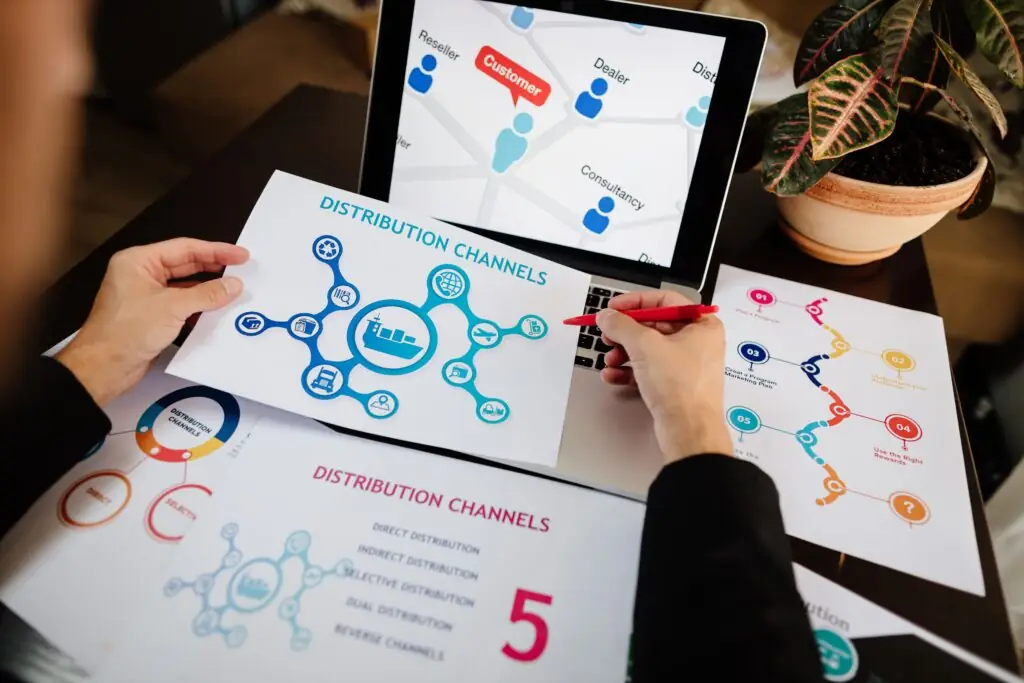
      Through Boost360 and the program’s broader structure, EDHEC equips professionals with the skills, mindset, and confidence to lead in complex, real-world environments—helping them become the reflective and resilient leaders tomorrow’s world demands.

      Leadership Development Program in EDHEC’s Online MBA: Boost360

      Boost360 is grounded in expertise from occupational psychology, management development, and leadership coaching. It’s integrated across the entire MBA journey to help participants gain clarity on their career goals, enhance self-awareness, and develop the emotional intelligence required to lead with impact.

      A standout feature is the 360-degree assessment, which evaluates each participant across 25 key competences, spanning self-management, strategic skills, relational, and functional skills. This helps participants build a clear understanding of how they are currently perceived—and identify opportunities for growth.

      By consistently encouraging reflection, feedback, and real-world application, Boost360 ensures participants develop not only the skills but also the mindset to lead with authenticity and influence. The result is a leadership journey rooted in continuous growth—helping ambitious professionals unlock their full potential and reach the next level in their careers.

      How Does Boost360 Help You Reinvent Your Leadership Style?

      Boost360 is more than a leadership module—it’s a transformative journey designed to help you redefine how you lead, grow, and connect. Here’s how it supports your evolution as a leader:

      • Develop Key Soft Skills – Strengthen essential leadership capabilities such as emotional intelligence
      • Gain Self-Awareness – Identify your strengths, weaknesses and leadership style to unlock greater personal impact
      • Shape Your Career Direction – Clarify your goals and align your leadership journey with a purposeful career path
      • Unlock Your Full Potential – Build confidence, resilience, and clarity to lead more authentically and effectively
      • Lead with Emotional Intelligence – Cultivate empathy and relational awareness to inspire trust and manage teams successfully

      Leadership Courses in the Online MBA Program

      Leadership development is embedded across the core curriculum of EDHEC’s Online MBA program, equipping participants with the mindset and capabilities to lead effectively in a fast-paced, interconnected world. Several fundamental courses directly support this goal,including:

      • Strategy in a Fast-Moving Business World – Helps future leaders evaluate opportunities and make strategic decisions across diverse business contexts
      • Ethics and Corporate Responsibility – Builds ethical awareness and decision-making skills essential for responsible, purpose-driven leadership
      • Digital Leadership – Managing People in the Digital Age – Prepares leaders to guide teams within complex, evolving organisational structures, with a focus on sustainable performance

      Together, these courses complement the coaching and leadership training components of the MBA, offering participants both theoretical frameworks and practical insight to support their development as adaptable, impactful leaders.

      Beyond individual modules, leadership training is reinforced through the Spotlight Seminar Series, Consulting Projects, and the fully integrated Boost360 leadership development program—ensuring that leadership is not a one-off topic, but a consistent thread that evolves throughout the experience.

      These leadership courses are designed to equip participants with the tools and mindset needed to lead real change, implement ethical transformation, and deliver sustainable impact in today’s global business environment.

      Why an MBA Can Boost Your Leadership Potential

      If you’re serious about becoming an effective and impactful leader, an MBA can provide the structure, tools, and experiences to accelerate your growth. It helps you build the confidence, strategic mindset, and self-awareness needed to lead in today’s fast-changing world.

      But not just any MBA will do—the right program provides both academic excellence and personal transformation.

      Here’s why pursuing an MBA is a smart move for leadership development:

      • Structured Learning and Strategic Thinking
        MBA courses sharpen your analytical and decision-making skills—two essentials for leadership. You’ll learn how to approach complex challenges strategically and make confident, data-informed decisions.
      • Exposure to Diverse Leadership Challenges
        From managing global teams to addressing sustainability and innovation, MBA programmes present real-world leadership scenarios that reflect today’s business landscape.
      • Leadership Coaching and Personal Growth
        Through personalised coaching and leadership development tools, MBAs support deep self-reflection and help you build lasting behavioural change.
      • Peer Learning and Networking
        Surrounded by motivated professionals from diverse industries, you learn to lead by collaborating, sharing perspectives, and building a strong global network.
      • Practical Application
        Projects, case studies, and hands-on learning ensure your leadership growth is grounded in real business situations—not just theory.

      Why EDHEC’s Online MBA Is the Right Choice for Future Leaders

      EDHEC’s Online MBA brings together everything ambitious professionals need to grow as leaders—while allowing them to balance full-time work with studies. Here’s what sets it apart:

      • A flexible 24-month learning journey that supports leadership development alongside your professional commitments
      • Research-led teaching from world-class faculty, including international academics and experienced business professionals
      • Boost360: A personalised leadership development programme designed to help you grow through coaching, reflection, and practical tools
      • Hands-on exposure to real-world business challenges, including learning expeditions and consulting projects with global impact
      • Expert-led seminar series to keep you informed on emerging trends and critical leadership topics
      • A global alumni network of 60,000+ professionals, offering connections across industries, roles, and regions

      Ultimately, the Online MBA at EDHEC equips you with the leadership skills to not just manage change—but to drive it. You’ll leave with the tools, mindset, and confidence to take on greater responsibilities and lead with purpose in a world that demands more from its leaders.

      Your Next Step Towards Impactful Leadership

      In a world shaped by constant change—technological innovation, sustainability imperatives, and global uncertainty—the demands on leaders are evolving. Today’s successful leaders must blend strategic thinking with empathy, resilience with adaptability, and vision with action. This is precisely where a transformative program like EDHEC’s Online MBA and on-campus MBAs make a meaningful difference.

      Whether you’re looking to accelerate your career, transition to a new industry, or create broader change, EDHEC’s Online MBA provides the tools, perspective, and leadership mindset to help you succeed in a fast-moving global environment.

      For professionals specifically looking to strengthen their soft skills and grow into confident managers, EDHEC’s Online Executive Master Management program may also be an excellent fit—offering a targeted approach to leadership and personal development.


      Subscribe to our newsletter BOOST, to receive our career tips and business insights every month.